Measuring Tips
Bust
Measure around the fullest part of your bust.
Waist
Measure around the narrowest part of your torso.
Low Hip
With your feet together measure around the fullest part of your hips/rear.
Your cart will expire in 04:48 minutes! Please checkout now before your items sell out!
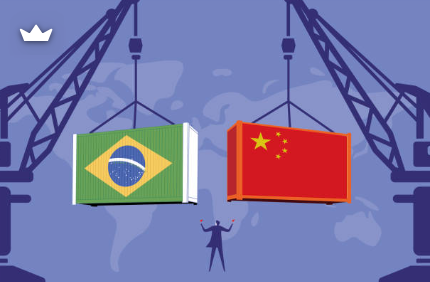
South American e-commerce is booming! With over 200 million online shoppers in Brazil and Mexico craving products made in China, five major categories are seeing explosive sales growth: consumer electronics, home appliances, fashion apparel, beauty & personal care, and outdoor fitness gear. This article breaks down best-selling items, local consumer preferences, and market access rules to help Chinese sellers seize opportunities in the South American cross-border blue ocean and achieve explosive order growth.

South America is one of the world’s fastest-growing cross-border e-commerce markets, with Brazil (210 million people) and Mexico (130 million people) as its core engines. Brazil’s e-commerce market reached $78 billion in 2025, while Mexico’s e-commerce penetration rate exceeds 60%. More than 60% of cross-border orders in both countries come from China.

Thanks to its unbeatable cost-performance ratio, full-category coverage, and fast product iteration, Made-in-China perfectly matches the demands of South American online shoppers. The following five categories continue to top the charts with outstanding sales performance!
1. Consumer Electronics & Accessories: Essential Bestsellers with High Repurchase Rates
Thanks to the rapid spread of mobile internet in South America and insufficient local production capacity, Chinese 3C products have firmly dominated the market with their “high specs at low prices,” making them the No. 1 cross-border best-selling category in Brazil and Mexico.
Brazil market: Smartphones (Redmi, realme – entry-level 5G models priced under RMB 1,000, capturing over 35% market share), Bluetooth headphones, TV sticks, and smart bands consistently top the sales charts. Educational tablets (with blue-light filtering and pre-installed Portuguese textbooks) hold over 30% market share. Demand for gaming peripherals and game controllers is surging.
Mexico market: Phone cases (featuring football motifs/local cultural designs), 10,000mAh portable power banks, and in-ear earphones are entry-level bestsellers. The “Digital Infrastructure Plan” has sparked a procurement boom for entry-level laptops (priced between $150–$300). Smartwatches (with heart-rate monitoring) see a repurchase rate of over 50% among young users.
Key to success: Compatibility with both 110V/220V voltages, pre-installed Spanish/Portuguese operating systems, and obtaining local certifications (INMETRO in Brazil, NOM in Mexico).
2. Home & Small Appliances: High-Frequency Essentials Covering All Household Needs
With strong family values in South America, “home improvement and enhancing quality of life” has become a key consumer trend. Home appliance manufacturing hubs in Shunde and Qingdao, China, are capturing the market with energy-efficient, well-adapted, and cost-effective products, achieving annual growth of over 18%.
Brazil market: Large-capacity refrigerators (500L+ multi-door), smart air conditioners (adapted to tropical climates), air fryers, juicers, and kitchen storage racks are essential needs. Floor cleaning equipment and handheld vacuum cleaners see surging sales during Prime Day.
Mexico market: Evaporative air coolers, tower fans, compact blenders, electric cooking pots, smart door locks, and solar lights are selling well. The free shipping threshold is 299 pesos, and “2-piece combo packs” help increase average order value.
Key to success: INMETRO certification required in Brazil; 127V voltage compatibility in Mexico. Focus on “energy efficiency + durability + adaptability to local home layouts.”
3. Fashion Apparel & Accessories: Value for Money Drives Trend Adoption
South American consumers are outgoing and socially active, with strong demand for brightly colored, Western-style, and cost-effective apparel and accessories. China’s “small orders, fast turnaround” supply chain model precisely aligns with the region’s fast-changing fashion trends.
Brazil market: Sportswear, women’s clothing (sleepwear accounts for 65% of women’s apparel sales, with a strong preference for high-stretch, vibrant fabrics), soccer merchandise (fan jerseys, scarves), backpacks, and flip-flops are top sellers. Demand for plus-size clothing and bold accessories is surging.
Mexico market: Athleisure wear, denim clothing, women’s bags, fashion footwear (flats, sneakers), and Western-style jewelry (minimalist/vintage designs) lead in sales. Hair accessories featuring bold, personalized, and vibrant colors are particularly popular.
Key to success: Starting in 2026, Mexico will impose additional tariffs of 10%–35% on textile and apparel imports. These can be mitigated through the PROSEC program (low tariff rates for production inputs) or Regla Octava special permits. In Brazil, sellers should be aware of the risk of anti-dumping investigations.
4. Beauty & Personal Care: Essential, High-Frequency Products Adapted to South America’s Climate
Due to the high temperatures and humidity in South America, “oil control, waterproofing, and strong sun protection” are the core demands in the beauty and personal care category. Chinese products are capturing market share with affordable pricing, well-adapted formulas, and a wide variety. Small, lightweight items benefit from low logistics costs and high repurchase rates.
Brazil market: Waterproof and sweat-proof makeup (8h+ wear matte foundation, caramel lip gloss, sweat-resistant brow gel), SPF50+ high-protection sunscreen, oil-control facial cleansers, nourishing hair masks for curly hair, and anti-frizz hair serums are top sellers. Products priced between 30–80 RMB offer the best value and are the most popular.
Mexico market: There is strong demand for affordable makeup (lip gloss, hair serums), sunscreen sprays, body lotions, perfumes (light scents), and manicure sets. Products featuring “Western style + long-lasting wear + high hydration” best match local aesthetic preferences.
Key to success: ANVISA certification is required in Brazil, and COFEPRIS certification is required in Mexico. Formulas must be adapted to high-temperature, high-humidity conditions.
5. Outdoor Fitness & Auto Parts: Blue Ocean Opportunities with Surging Demand for Specific Scenarios
South Americans have a strong passion for outdoor activities and home fitness, along with high car ownership rates. Chinese outdoor fitness equipment and auto parts are rapidly emerging as a new cross-border blue ocean, driven by their durability, low prices, and compatibility with local vehicle models.
Brazil market: Home fitness equipment (spin bikes, treadmills, mini exercise bikes), outdoor camping gear (folding tables and chairs, camping lights, tents), and fishing tackle are top sellers. The weekend family outing culture drives strong demand for outdoor supplies, with orders often reaching thousands of units.
Mexico market: Demand is growing rapidly for auto and motorcycle parts (tires, interior accessories, motorcycle components), outdoor cycling gear, soccer training equipment, and compact home fitness devices. The World Cup has sparked a surge in orders for fan sports merchandise.
Key to success: Auto parts face tariffs of 20%–50% in Mexico, but lower rates may be available through the PROSEC program. In Brazil, sellers should pay attention to electric vehicle tariff policies (reaching 35% by July 2026).
1. Brazil: In 2026, tariffs of 7.2%–20% will be imposed on 1,252 product categories, with industrial components exempted (zero tariff). INMETRO and ANVISA certifications are required. Customs documentation must be translated into Portuguese.
2. Mexico: Starting in 2026, 5%–50% tariffs will apply to over 1,400 Chinese product categories, with textiles, home appliances, and toys heavily affected. Lower or zero tariffs may be available through PROSEC (for production inputs) or Regla Octava (for products with no local production capacity). NOM certification is required.
The demand among South American “shopaholics” continues to surge, and the value-for-money advantage and supply chain strength of Chinese-made products remain unmatched. By choosing the right products from the five major categories above and ensuring compliance with certifications and tariff regulations, you can quickly seize the blue ocean opportunities in the Brazilian and Mexican markets and achieve explosive sales growth!
If you’re in the market for shipping freight overseas, then you need to be familiar with the different types of ocean and sea freight. On this page, we’ll discuss the different rates, quotes, and fees associated with ocean freight. We’ll also provide tips on how to get the best rates for your business!
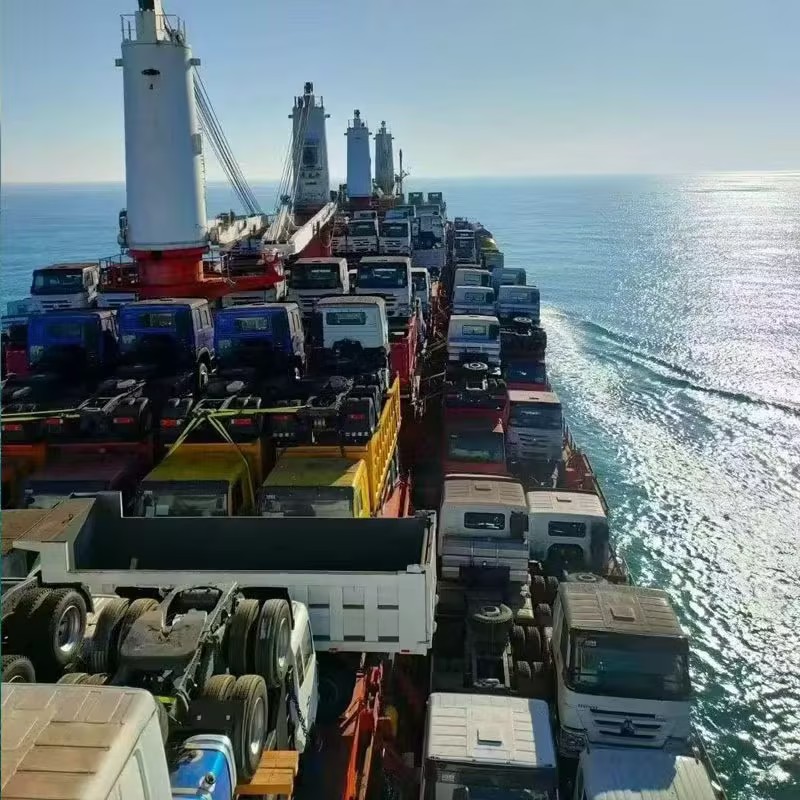
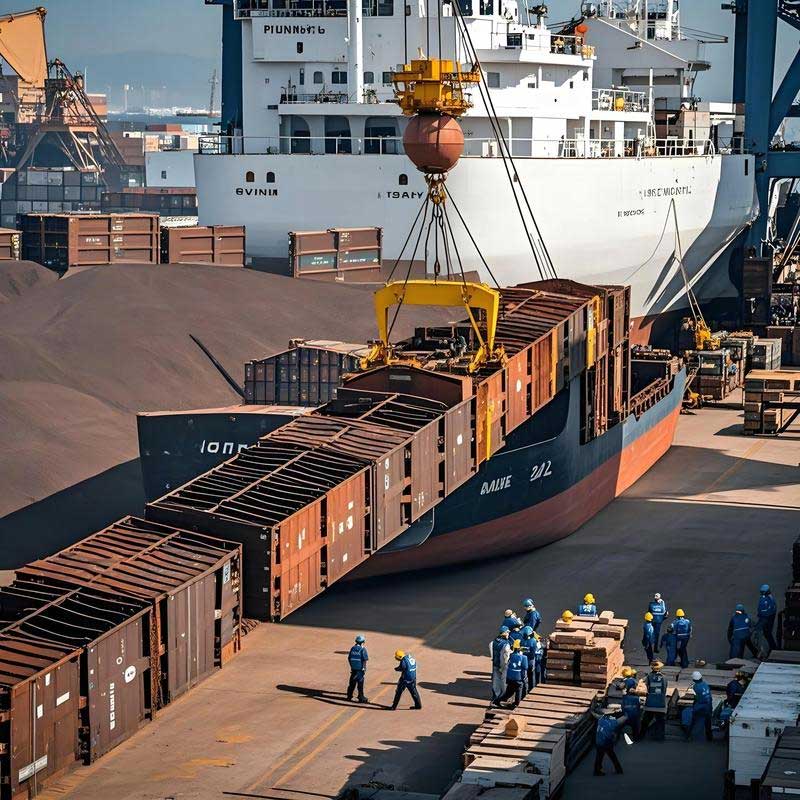
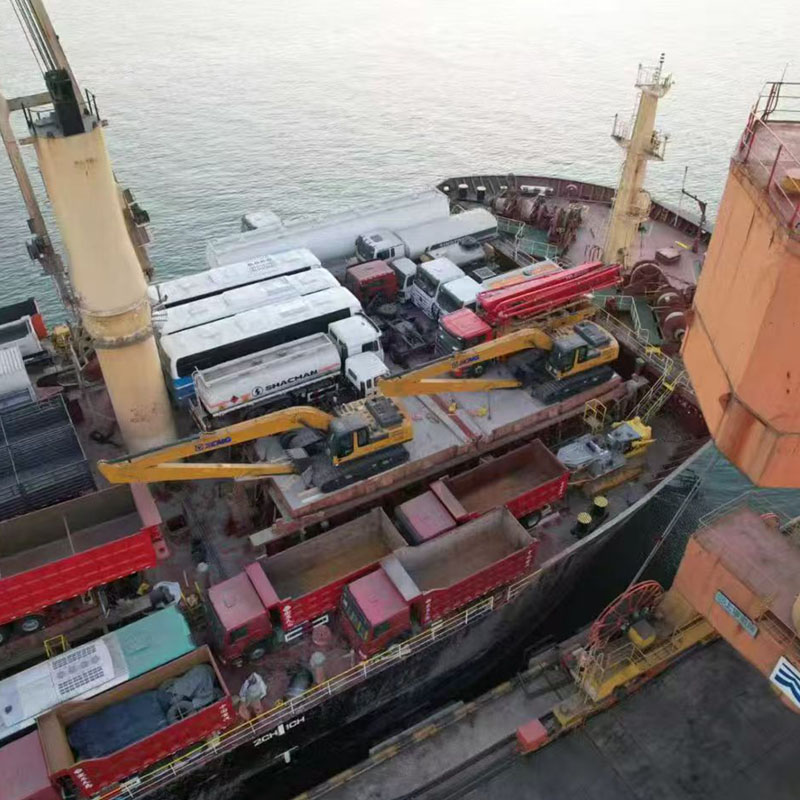
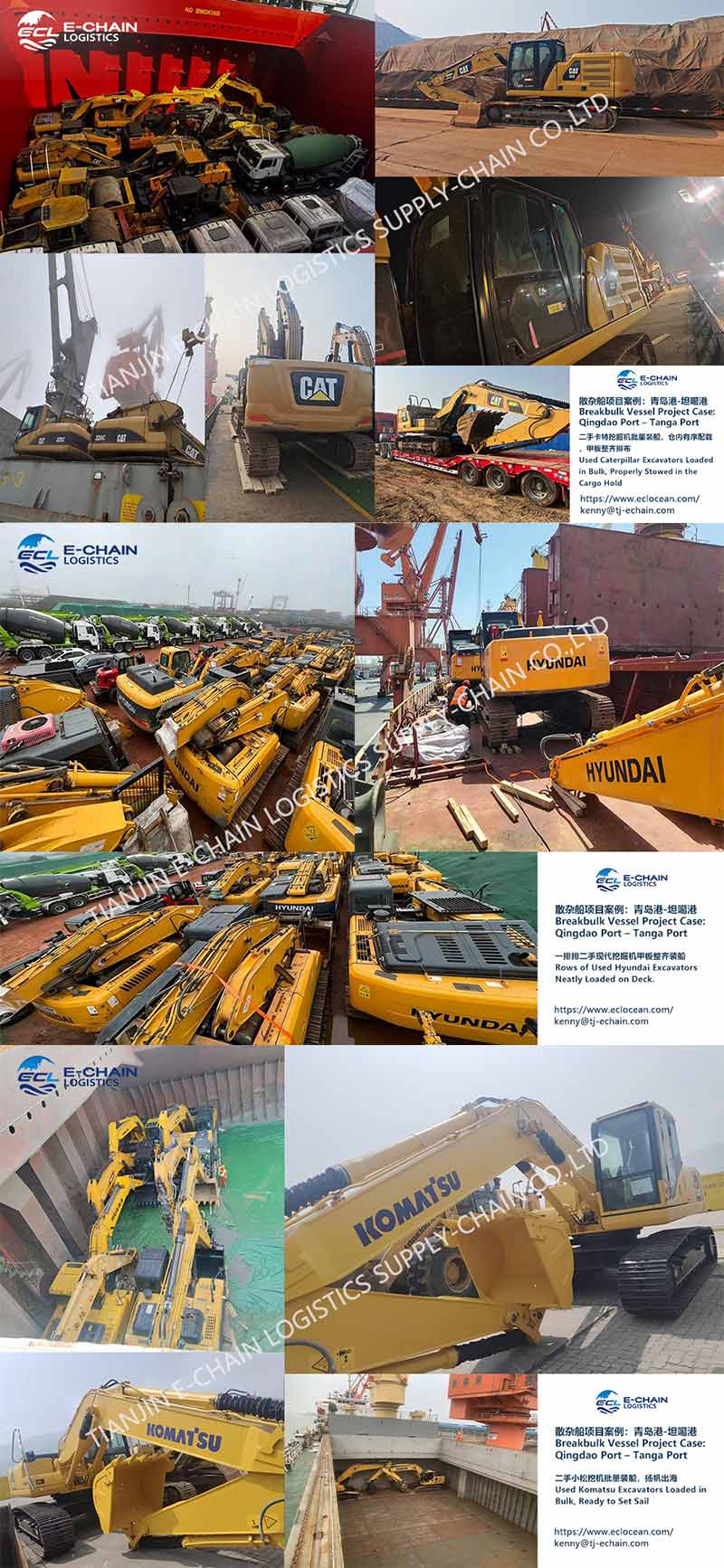
Break Bulk Vessel is a type of cargo vessel designed to transport non-containerized cargo. Unlike container ships that load standardized containers, break bulk vessels load cargo piece by piece, usually using onboard cranes or port lifting equipment. They are widely used for oversized, heavy, irregular-shaped, and project cargo that cannot fit into standard containers.

In Ro-Ro shipping, high and low deck space prices are the core factors determining the transportation costs of vehicles/construction machinery. Many shippers overpay for bookings because they are unclear about the distinction between high and low deck space and the pricing logic. Let’s explain clearly: what high/low deck space is, how much the price difference is, and how to choose the most cost-effective option.
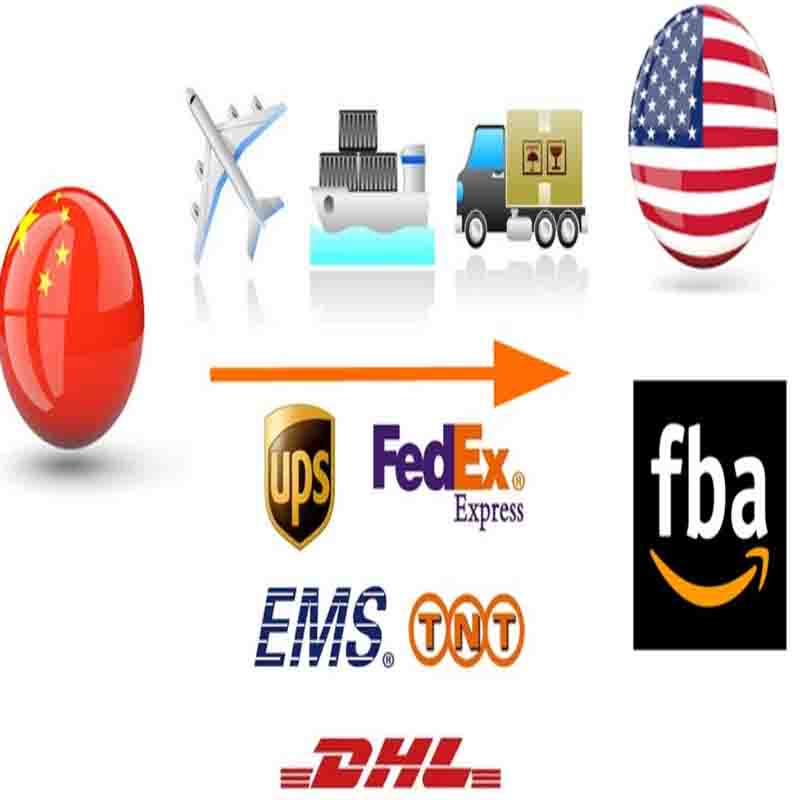
We offer express delivery services from China to all over the world, such as DHL International Shipping , FedEx , UPS , USPS International Shipping, DHL , TNT , EMS , Aramex , and for Amazon FBA as well. We always aim to provide you with professional, considerate and competitive services.
Door-to-door shipping is a service. Freight forwarders ensure that goods are picked up from a specific location and ultimately arrive at a specific destination via a city within the shipping area. Choosing the best method from E-Chain Logistics depends on what you need to ship, where you need to ship, the cost, and the shipping time.
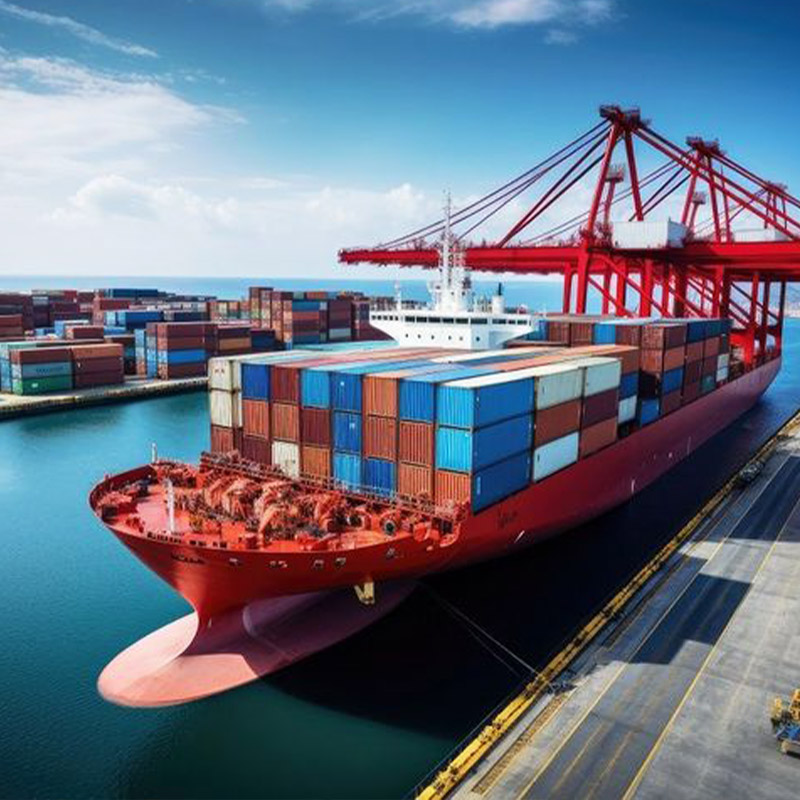
Whether to choose FCL (Full Container Load) or breakbulk vessels depends not on price, but on cargo dimensions, shape, value, and transit time. Cargo that can fit into containers is safer, more stable, and more convenient via FCL. For over-dimensional, oversized, or non-containerizable cargo, breakbulk shipping is the only option.

We ship your prepared products directly from our warehouse to Amazon warehouses anywhere in the world. We take care of the entire process for you, from preparing the documents and submitting the ISF before departure to customs clearance and paying port fees.
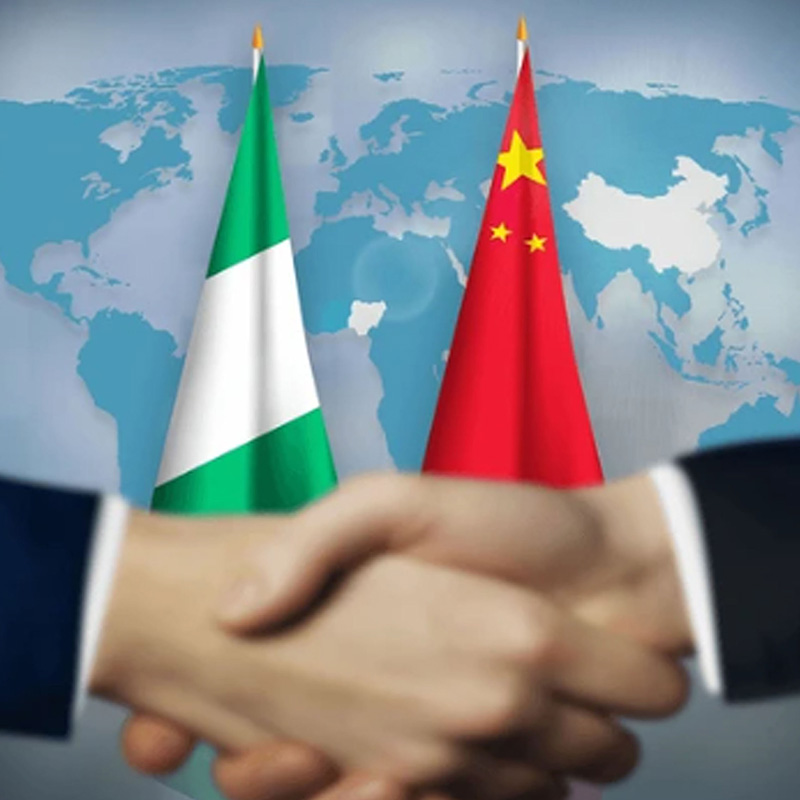
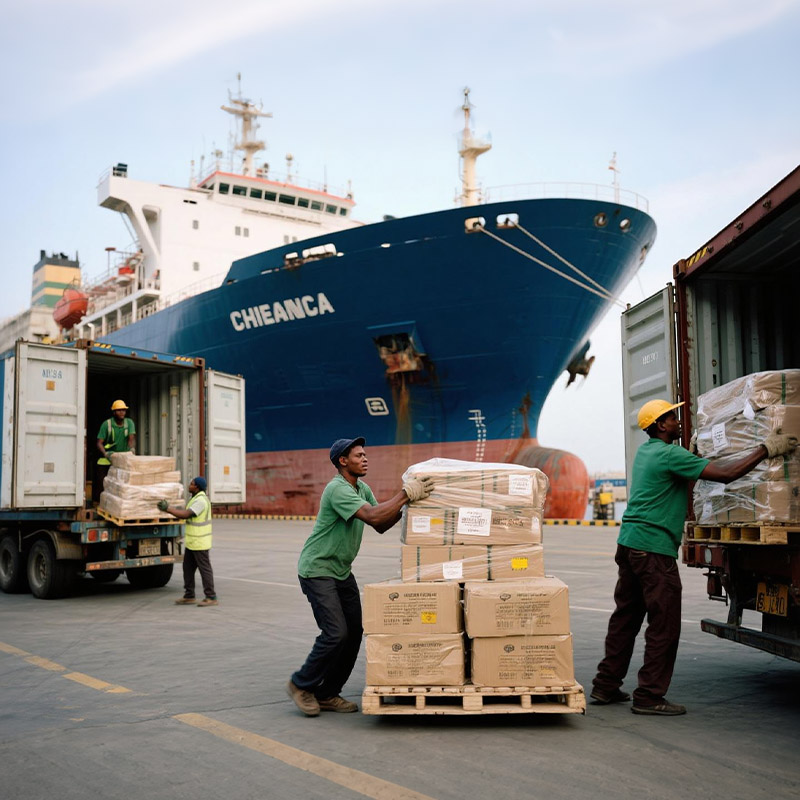
Nigeria is a strategic foothold for China’s expansion into the African market. The zero-tariff policy in 2026, combined with the benefits of bilateral cooperation, has created unprecedented opportunities for Chinese suppliers. From compliance certification to logistics and customs clearance, from product selection to risk control, only by accurately grasping market rules and cultivating a deep local presence can they gain a foothold in this blue ocean market of 229 million people.
If you’re planning to export goods from Saudi Arabia to China, you’ve come to the right place.
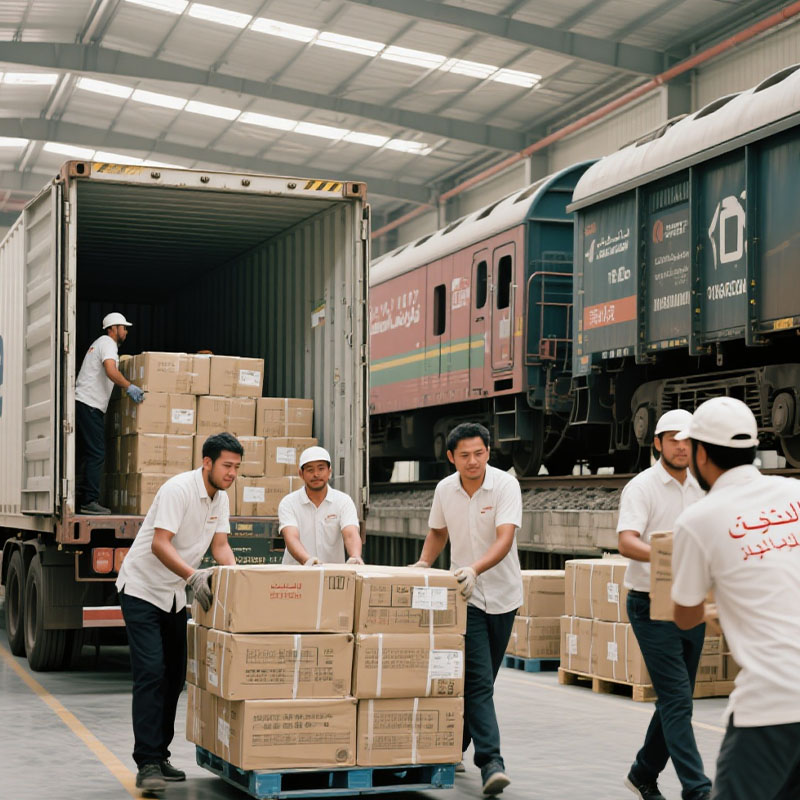
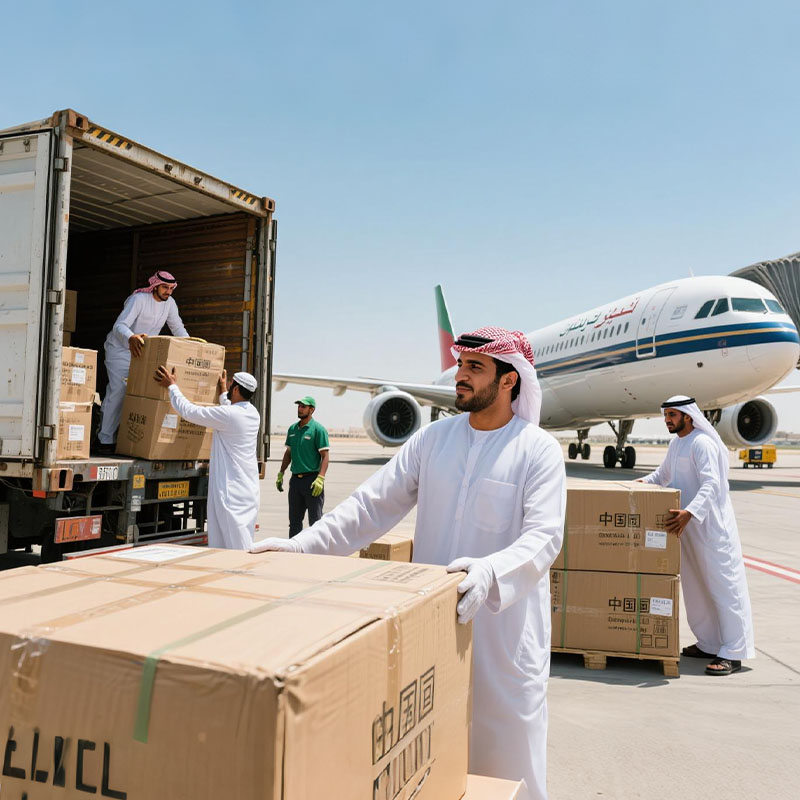
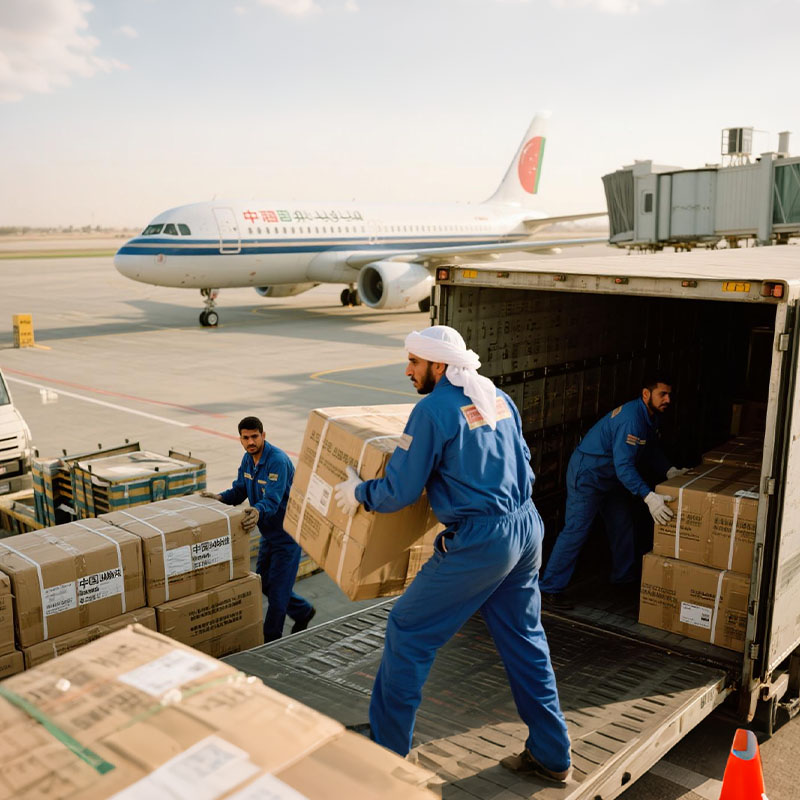
The best door-to-door shipping options from China to the UAE include express carriers like DHL, FedEx, and UPS, which offer faster shipping times. For larger shipments, ocean freight is more cost-effective. E-Chain Logistics offers DDP shipping services and offers daily container load services.
When importing from China, it can be difficult to find reliable shipping information. This ultimate guide is your one-stop shop for everything you need to know about shipping goods from China to the United States. You’ll learn about costs, customs prohibitions, and more!

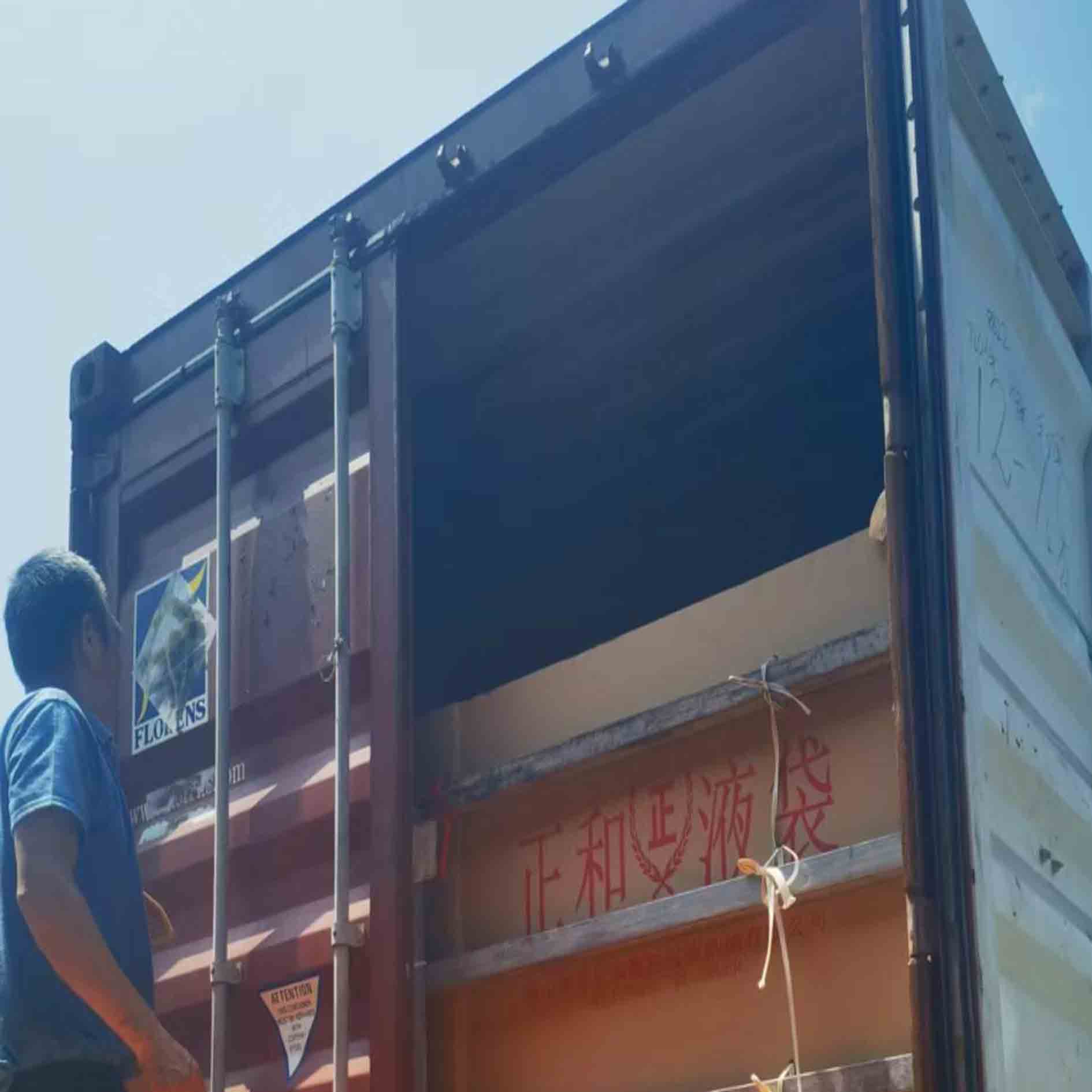
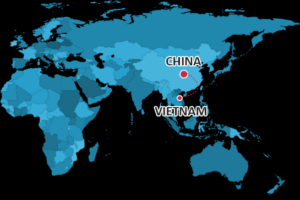
Vietnam is rapidly emerging as a new engine for manufacturing in Southeast Asia, driving sustained growth in demand for liquid chemicals across industries such as coatings, adhesives, textile auxiliaries, and industrial cleaners. Data shows that China’s chemical exports to Vietnam consistently rank among the highest, with liquid products (e.g., ethyl acetate, polyether, water-reducing agents, hydrogen peroxide, etc.) accounting for a growing share.
However, the transport of liquid chemicals presents three major challenges: high packaging costs, significant maritime risks, and stringent customs clearance requirements. How can cross-border transportation be both economical and efficient while ensuring safety? For most non-hazardous or low-risk liquid chemicals, the Flexitank is currently the most cost-effective solution for exports from China to Vietnam.
Naturally, the transit time of your shipment will be affected by the delivery method you choose. You must make a decision based on several factors. These include your budget, deadlines, and what will be most economical in the long run.
Their service includes; world transport services, timely storage, and emergency logistical support.
Freight forwarding is a booming industry in the Philippines. Domestic freight forwarding can be categorized into four categories: air freight, ocean freight, port-to-door, and door-to-door. In this blog post, we’ll highlight 10 of the best freight forwarding companies in the Philippines that have been operating for at least three years or are accredited by the Federal Motor Carrier Safety Administration (FMCSA).
When importing from China, it can be difficult to find reliable shipping information. Below is your one-stop shop for everything you need to know about shipping from China to the United States. You ‘ll also learn about costs, customs prohibitions, and more!
If you’re looking to import goods from China to Canada, you’ll want to read this guide.
E-Chain Logistics has been committed to international freight forwarding from China to Canada since 2005. We provide one-stop sea and air freight logistics solutions from China to China at competitive prices for all importers and wholesalers in Oman .
Imported wedding dresses, furniture, and tires are among the main commodities exported by Chinese exporters to South Africa. China is shown exporting the following products: luggage manufacturers – products or parts from China: furniture and automotive electronic parts. Imported cars and other items from China to South Africa include furniture, construction materials, tires, and solar panels from China.
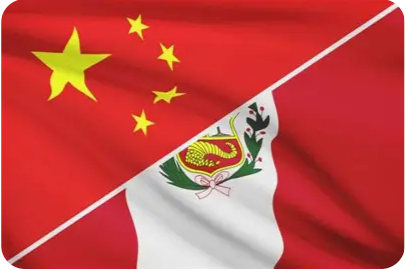
As China-Peru economic and trade cooperation continues to develop, more and more Chinese companies are beginning to export goods to the Peruvian market. So, what goods are shipped from China to Peru? Which products are in greater import demand in the Peruvian market?
China is one of Peru’s important trading partners. According to China Customs and related trade statistics, China’s main exports to Peru include machinery and equipment, electrical and electronic products, automobiles and spare parts, steel products, plastic products, tires, textiles, and daily consumer goods.
These products are widely used in Peru’s industrial manufacturing, mining development, construction engineering, transportation, retail and wholesale, and daily consumption sectors.
For Chinese exporters, understanding Peru’s main imported goods can help them find overseas customers, formulate export plans, and reasonably plan international logistics costs.
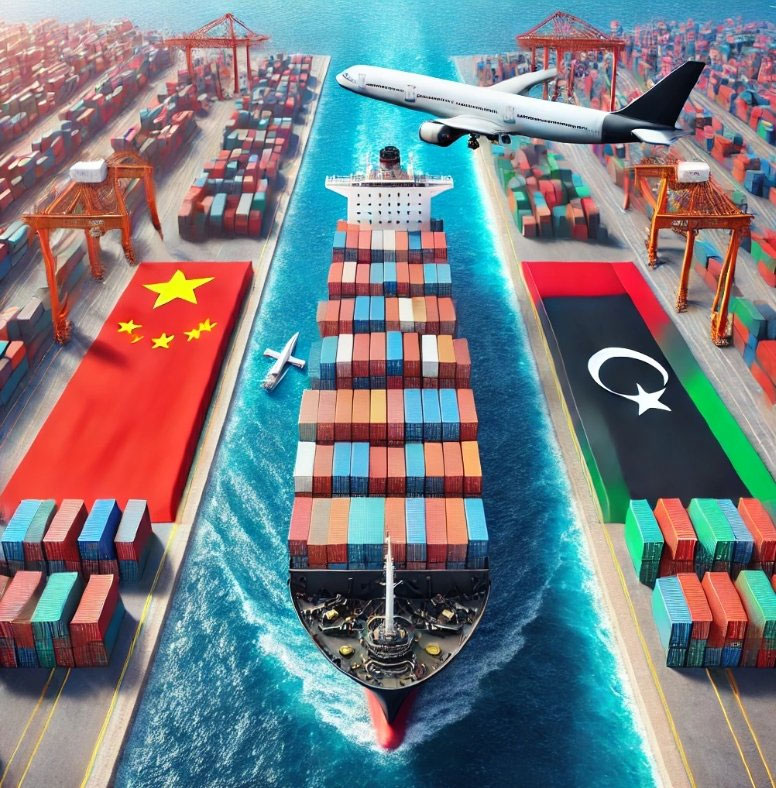
With the growth of trade between China and North Africa, an increasing number of Libyan importers, wholesalers, engineering contractors and corporate clients are sourcing goods from China. How to ship cargo from China to Libya safely and efficiently has become a key link in international trade.
We provide international logistics and freight forwarding services from China to Libya. We help clients select suitable shipping solutions based on cargo type, volume, weight, lead time and destination. Whether you require FCL sea freight, LCL consolidation, breakbulk shipping, air freight or special cargo transport, we can tailor logistics plans to meet your practical requirements.
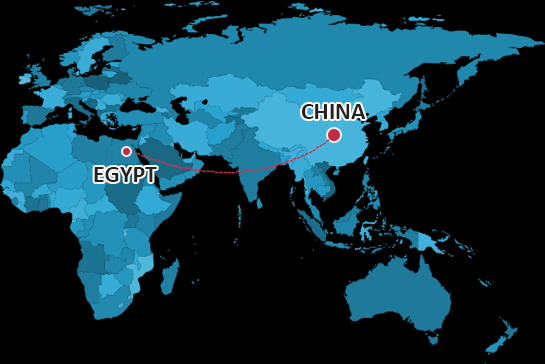
2026 marks the 70th anniversary of the establishment of diplomatic relations between China and Egypt, and bilateral trade data has been quite impressive: exports of mechanical and electrical products grew by 23.9%, and exports of new energy vehicles have seen explosive growth. Port Said, as the gateway at the northern end of the Suez Canal, serves as a key hub for Chinese goods entering North Africa, the Middle East, and even Europe for transshipment.
However, from a logistics operations perspective, the threshold of the Egyptian market does not lie in “being able to ship it there,” but in “getting it cleared.” Egyptian customs supervision is known for being stringent, and three gateways — ACID advance declaration, the CargoX electronic platform, and the COC Certificate of Conformity — are indispensable. This article examines transportation solution choices and customs clearance compliance points for China’s exports to Egypt from a logistics perspective, helping export enterprises avoid the most common risks of port detention and cargo return.
يصادف عام 2026 الذكرى السبعين لإقامة العلاقات الدبلوماسية بين الصين ومصر، وقد سجلت البيانات التجارية الثنائية أرقامًا لافتة للنظر: حيث ارتفعت صادرات المنتجات الميكانيكية والكهربائية بنسبة 23.9%، وشهدت صادرات السيارات الكهربائية الجديدة نموًا انفجاريًا. يُعد ميناء بورسعيد البوابة الشمالية لقناة السويس، ويقوم بدور محوري كمحور عبور للبضائع الصينية المتجهة إلى شمال أفريقيا والشرق الأوسط وحتى أوروبا.
ولكن من منظور العمليات اللوجستية العملية، لا تكمن العقبات في السوق المصري في مسألة «إيصال البضائع»، بل في مسألة «إتمام تخليصها الجمركي». يتميز الإشراف الجمركي المصري بالصرامة الشديدة، ولا يمكن الاستغناء عن ثلاثة إجراءات أساسية: الإقرار المسبق برقم ACID، ومنصة CargoX الإلكترونية، وشهادة المطابقة COC. يستعرض هذا المقال من منظور الخدمات اللوجستية خيارات خطط النقل ونقاط الامتثال الجمركي عند تصدير البضائع من الصين إلى مصر، لمساعدة الشركات المصدرية على تجنب المخاطر الأكثر شيوعًا المتمثلة في رسوم التخزين بالموانئ وإعادة شحن البضائع.
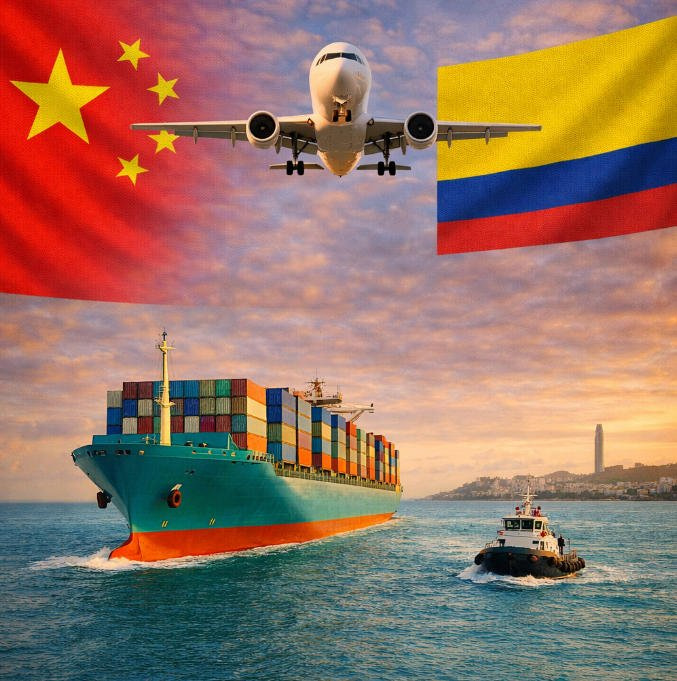
In recent years, trade between China and Colombia has continued to grow, and more and more Chinese products are entering the Colombian market, including:
Engineering machinery
Automobiles and auto parts
Industrial equipment
Hardware and building materials
Electronic products
Furniture and household goods
New energy equipment
Daily consumer goods
Due to the long distance between China and Colombia, cross-continental transportation involves multiple stages such as ocean shipping routes, port operations, customs clearance, and destination delivery. Therefore, choosing a professional international logistics supply chain service provider can effectively reduce transportation risks and improve cargo delivery efficiency.
TIANJIN E-CHAIN LOGISTICS SUPPLY-CHAIN CO., LTD provides customers with full-process international logistics solutions from China to Colombia, including ocean freight, air freight, oversized equipment transportation, and door-to-door logistics services.
For traders planning to ship goods from China to the Southeast African market, Mozambique is becoming an increasingly important destination. As a key maritime gateway to Southeast Africa, Mozambique boasts multiple natural deep-water ports including Maputo, Beira, and Nacala, serving as a critical logistics hub for landlocked countries such as Zimbabwe, Zambia, and Malawi. China has remained a significant trading partner of Mozambique for many consecutive years. This article provides a comprehensive analysis of shipping route options, customs clearance and certification requirements, and key considerations for transporting goods from China to Mozambique, helping you mitigate risks and choose the optimal logistics solution.
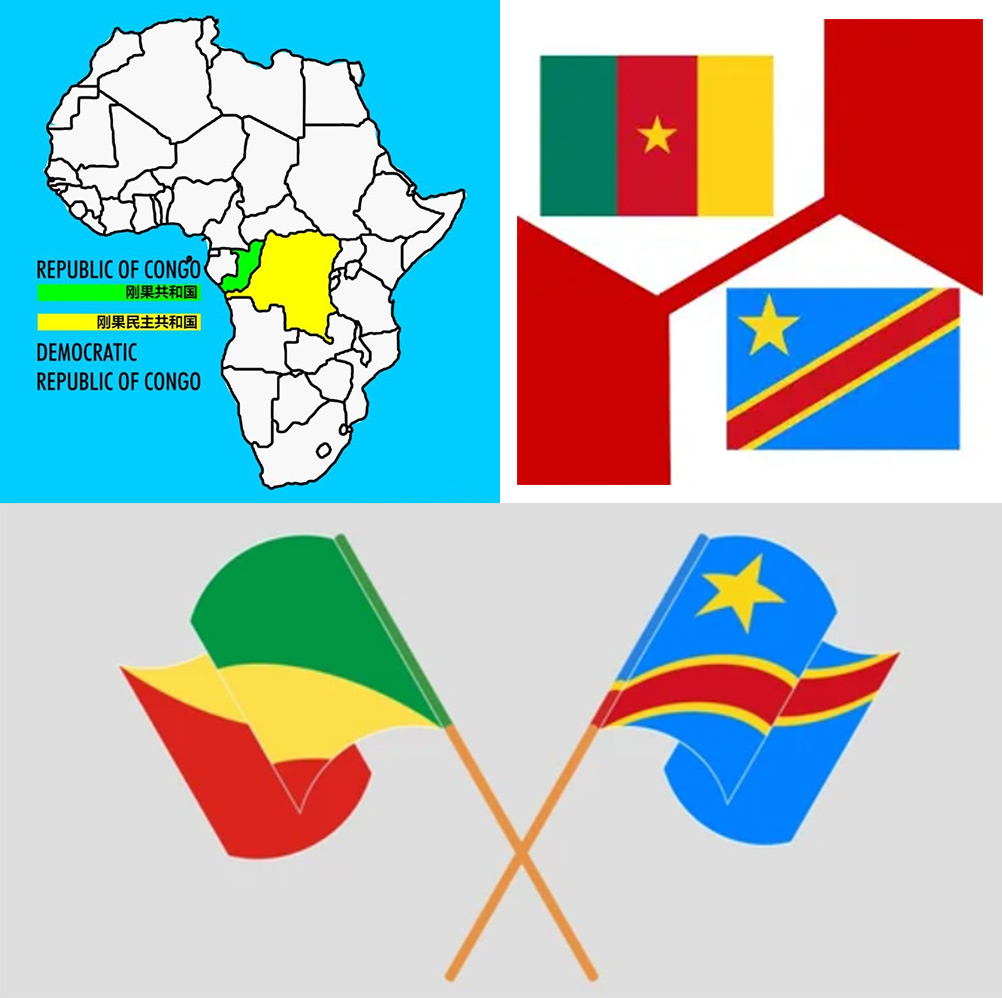
Have you ever felt confused while watching the news or browsing a map—wondering why there are two countries in Africa both called “Congo”? One is the Republic of the Congo, and the other is the Democratic Republic of the Congo. Not only are their names similar, but their capitals also face each other across a river. What exactly is the difference between these two “Congos”? And why do they share the same name? This article will provide you with clear answers to all these questions.
Don't you have an account? Register.
Already have an account? Sign in.
| Size | US | Bust | Waist | Low Hip |
|---|---|---|---|---|
| XS | 2 | 32 | 24 - 25 | 33 - 34 |
| S | 4 | 34 - 35 | 26 - 27 | 35 - 26 |
| M | 6 | 36 - 37 | 28 - 29 | 38 - 40 |
| L | 8 | 38 - 29 | 30 - 31 | 42 - 44 |
| XL | 10 | 40 - 41 | 32 - 33 | 45 - 47 |
| XXL | 12 | 42 - 43 | 34 - 35 | 48 - 50 |
Measure around the fullest part of your bust.
Measure around the narrowest part of your torso.
With your feet together measure around the fullest part of your hips/rear.