Measuring Tips
Bust
Measure around the fullest part of your bust.
Waist
Measure around the narrowest part of your torso.
Low Hip
With your feet together measure around the fullest part of your hips/rear.
Your cart will expire in 04:48 minutes! Please checkout now before your items sell out!
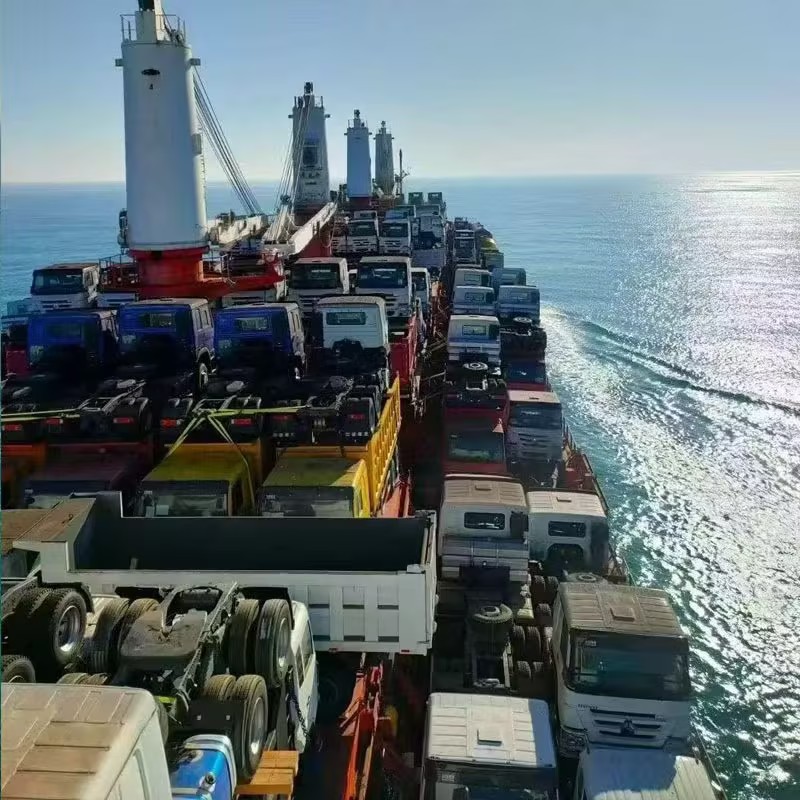
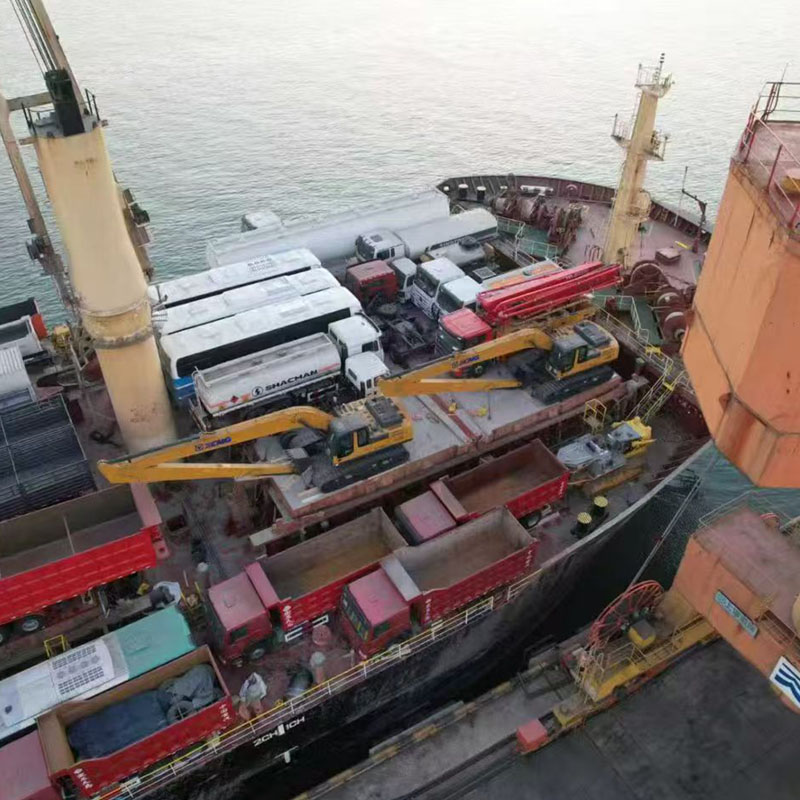
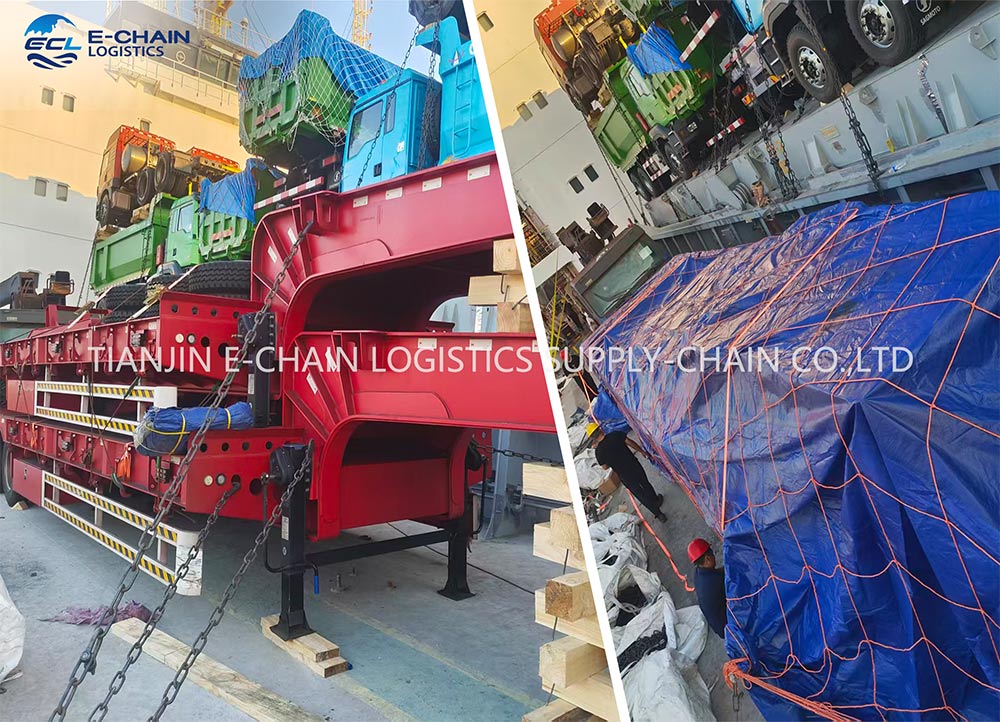
In Ro-Ro shipping, high and low deck space prices are the core factors determining the transportation costs of vehicles/construction machinery. Many shippers overpay for bookings because they are unclear about the distinction between high and low deck space and the pricing logic. Let’s explain clearly: what high/low deck space is, how much the price difference is, and how to choose the most cost-effective option.
Low Deck Space Price: The freight rate for the lower standard deck of a Ro-Ro ship, suitable for ordinary vehicles with a height ≤ 2.1 meters – 2.2 meters, with lower freight rates.
High Deck Space Price: The freight rate for the upper deck/high headroom space of a Ro-Ro ship, suitable for extra-high vehicles with a height > 2.1 meters – 2.2 meters, with scarce space and higher freight rates.
Industry-standard dividing line: 2.1 meters – 2.2 meters as the boundary; slight fluctuations may occur for different vessels, subject to confirmation by the shipowner.
Regular price difference: High-bay cargo holds are $5-15 more expensive per cubic meter than low-bay cargo holds, approximately $10 more per cubic meter on mainstream routes.
Charged per unit: High-bay cargo holds are $50-200 more expensive per unit than low-bay cargo holds on the same routes.

Peak season fluctuations: During peak seasons for construction machinery exports, high-bay cargo hold premiums can reach over 20%.
1. Scarce cargo space: High-bay cargo holds occupy only a small portion of the ship’s upper deck, limiting the quantity that can be loaded.
2. Higher costs: Oversized cargo has a high center of gravity, requiring more complex lashing and reinforcement, and taking longer to load and unload.
3. Vessel restrictions: High-bay cargo holds affect ship stability, and loading and scheduling costs are higher than low-bay cargo holds.
4. Tight supply and demand: Demand for high-bay cargo such as RVs, heavy trucks, and construction machinery is concentrated, leading to supply shortages.
High-bay cargo: Large SUVs, RVs, heavy trucks, construction machinery, special vehicles (vehicle height > 2.2 meters)
1. By volume: Length × Width × Height (cubic meters) × corresponding freight rate (most common)
2. By unit: Fixed price per unit, suitable for standard vehicle types
3. Additional fees: Oversized/overweight vehicles may incur additional lashing fees and loading/unloading fees.
1. Measure vehicle height in advance to determine whether to quote based on high or low bay space to avoid on-site price increases.
2. Avoid booking during peak season; high bay prices may be lower. 10%-20%
3. Choose vessels with lift-up decks; some vehicle types can be loaded in low-bay configurations.
4. For long-term shipments, negotiate charter rates with freight forwarders to lock in high-bay discounts.
The core factor determining the price of high-bay and low-bay cargo on roll-on/roll-off vessels is vehicle height, 2.1 meters – 2.2 meters is the key dividing line.
Low-bay cargo offers high cost-effectiveness and is suitable for ordinary vehicles;
High-bay cargo is scarce and expensive, designed specifically for oversized cargo.
Accurate height measurement and advance booking before shipment can effectively control transportation costs.
If you’re in the market for shipping freight overseas, then you need to be familiar with the different types of ocean and sea freight. On this page, we’ll discuss the different rates, quotes, and fees associated with ocean freight. We’ll also provide tips on how to get the best rates for your business!
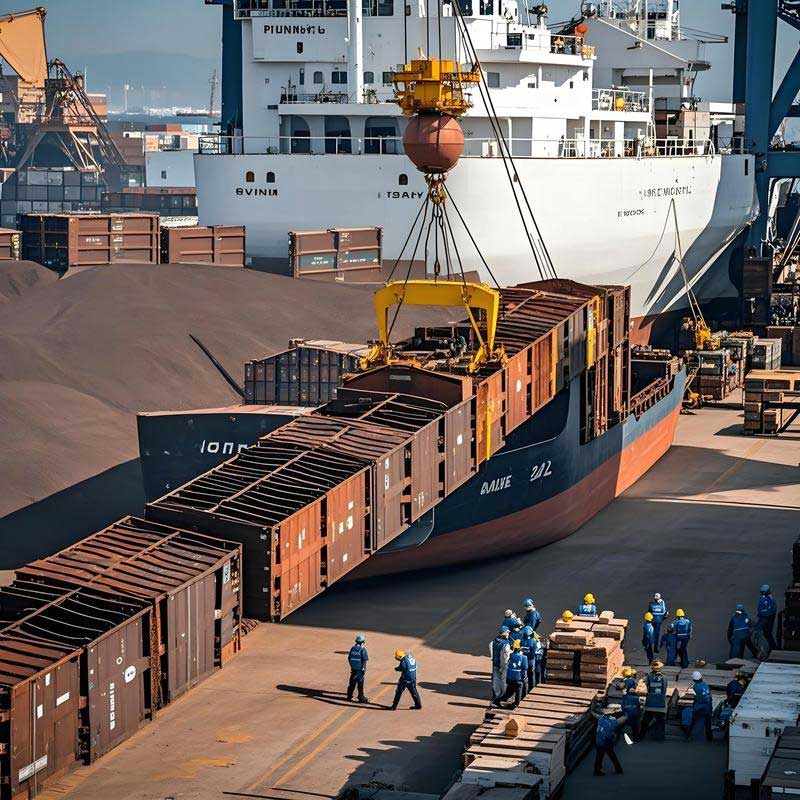
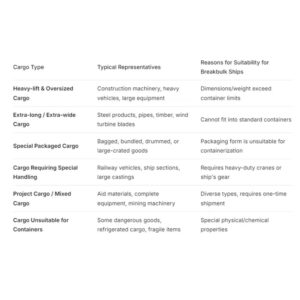
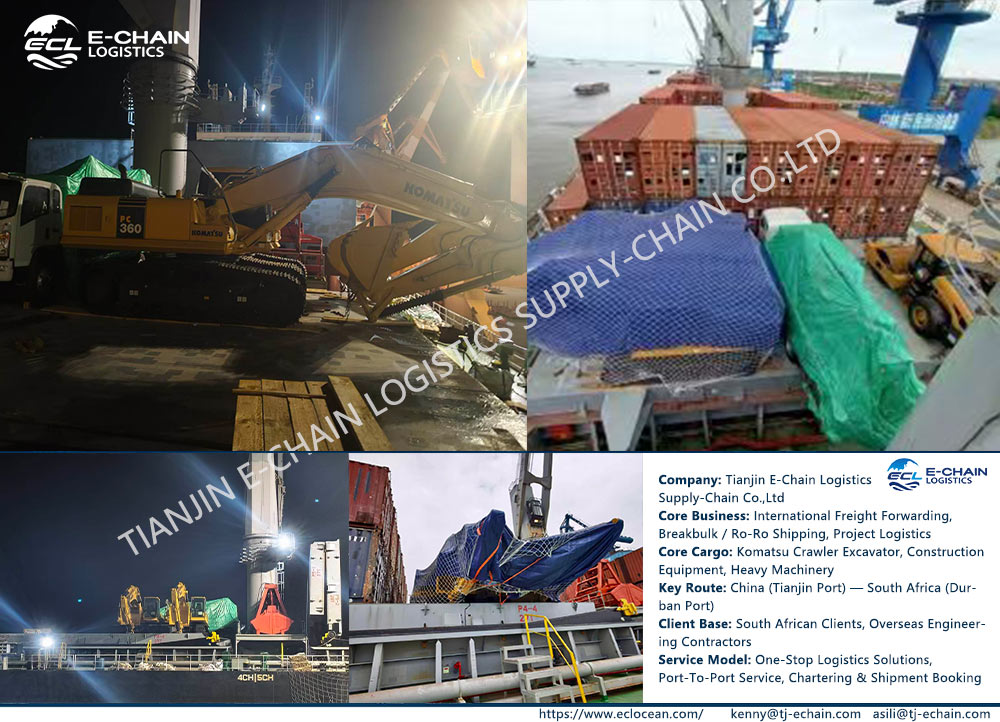
Break Bulk Vessel is a type of cargo vessel designed to transport non-containerized cargo. Unlike container ships that load standardized containers, break bulk vessels load cargo piece by piece, usually using onboard cranes or port lifting equipment. They are widely used for oversized, heavy, irregular-shaped, and project cargo that cannot fit into standard containers.

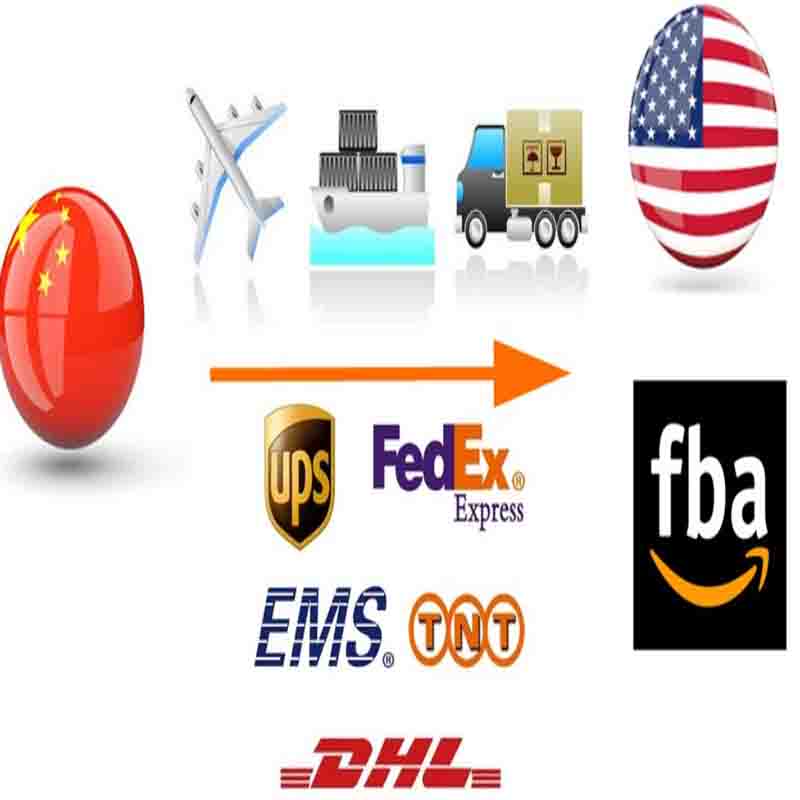
We offer express delivery services from China to all over the world, such as DHL International Shipping , FedEx , UPS , USPS International Shipping, DHL , TNT , EMS , Aramex , and for Amazon FBA as well. We always aim to provide you with professional, considerate and competitive services.
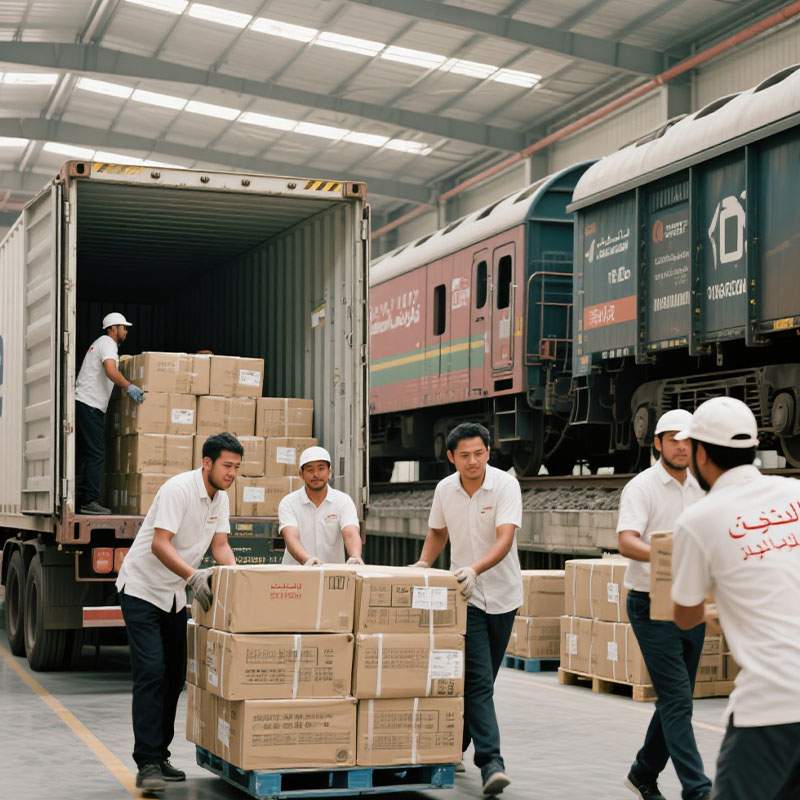
Rail transport is a popular method of transporting goods. Compared to traditional truckload shipping, it can save significant costs and is also better for the environment!
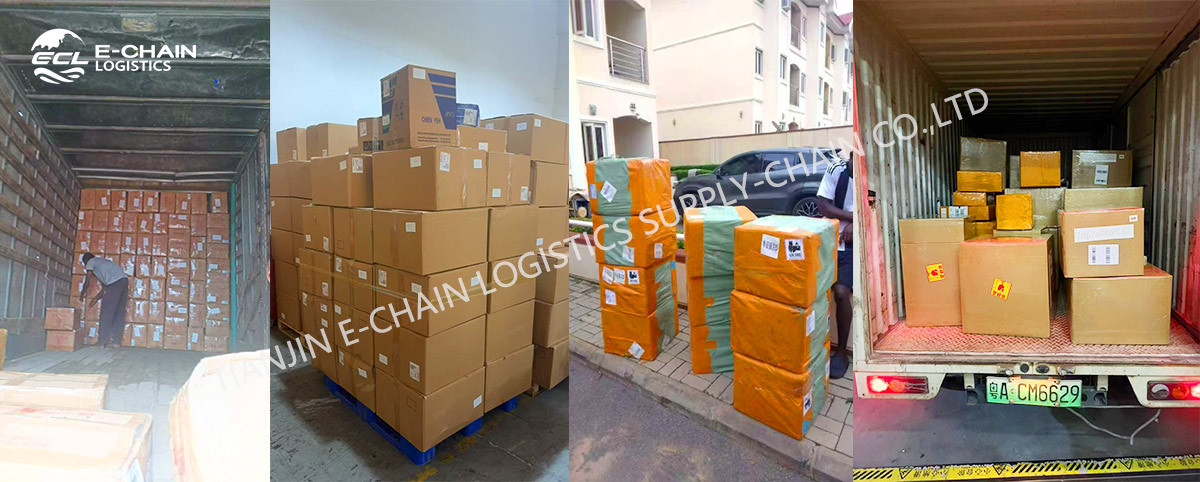
Door-to-door shipping is a service. Freight forwarders ensure that goods are picked up from a specific location and ultimately arrive at a specific destination via a city within the shipping area. Choosing the best method from E-Chain Logistics depends on what you need to ship, where you need to ship, the cost, and the shipping time.
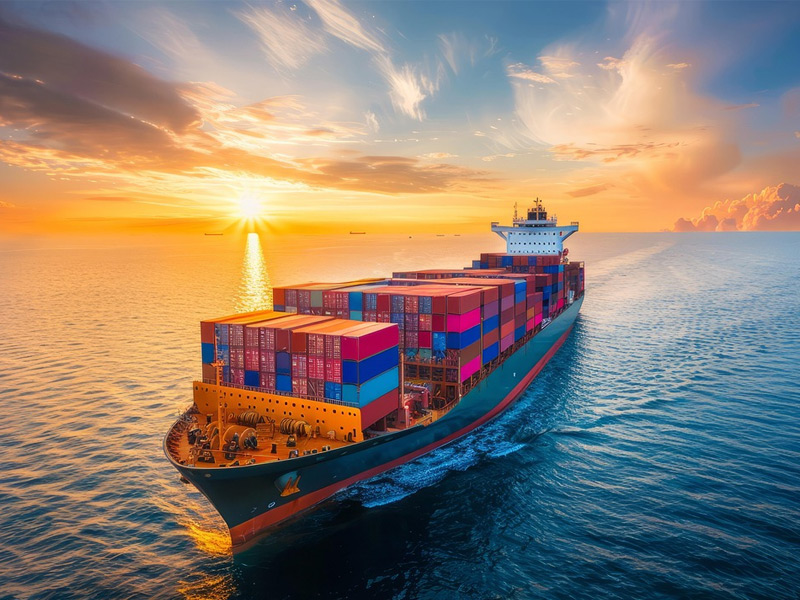
Whether to choose FCL (Full Container Load) or breakbulk vessels depends not on price, but on cargo dimensions, shape, value, and transit time. Cargo that can fit into containers is safer, more stable, and more convenient via FCL. For over-dimensional, oversized, or non-containerizable cargo, breakbulk shipping is the only option.

We ship your prepared products directly from our warehouse to Amazon warehouses anywhere in the world. We take care of the entire process for you, from preparing the documents and submitting the ISF before departure to customs clearance and paying port fees.
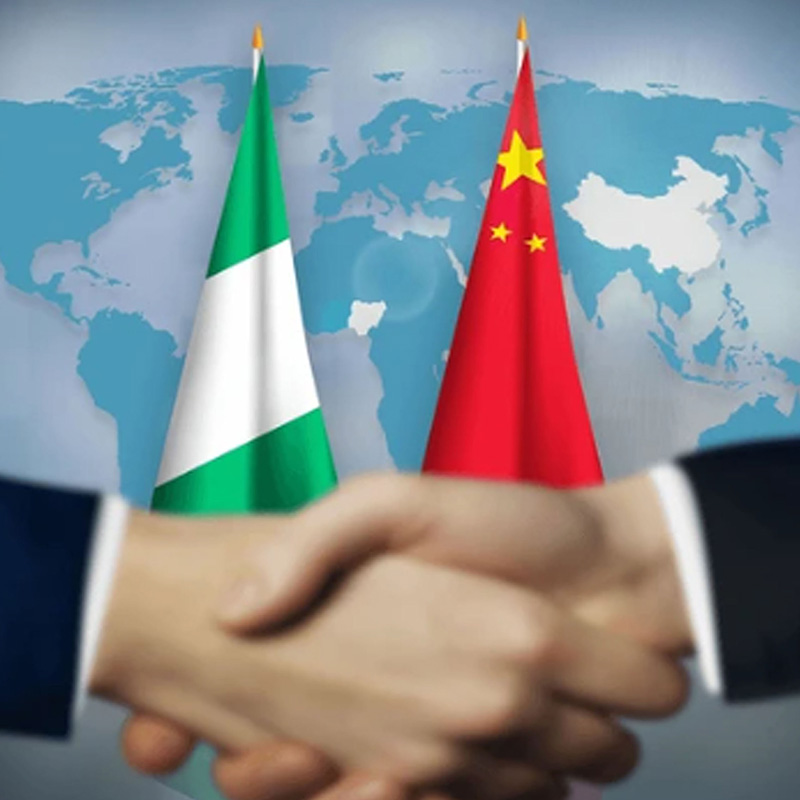
Nigeria is a strategic foothold for China’s expansion into the African market. The zero-tariff policy in 2026, combined with the benefits of bilateral cooperation, has created unprecedented opportunities for Chinese suppliers. From compliance certification to logistics and customs clearance, from product selection to risk control, only by accurately grasping market rules and cultivating a deep local presence can they gain a foothold in this blue ocean market of 229 million people.
If you’re planning to export goods from Saudi Arabia to China, you’ve come to the right place.
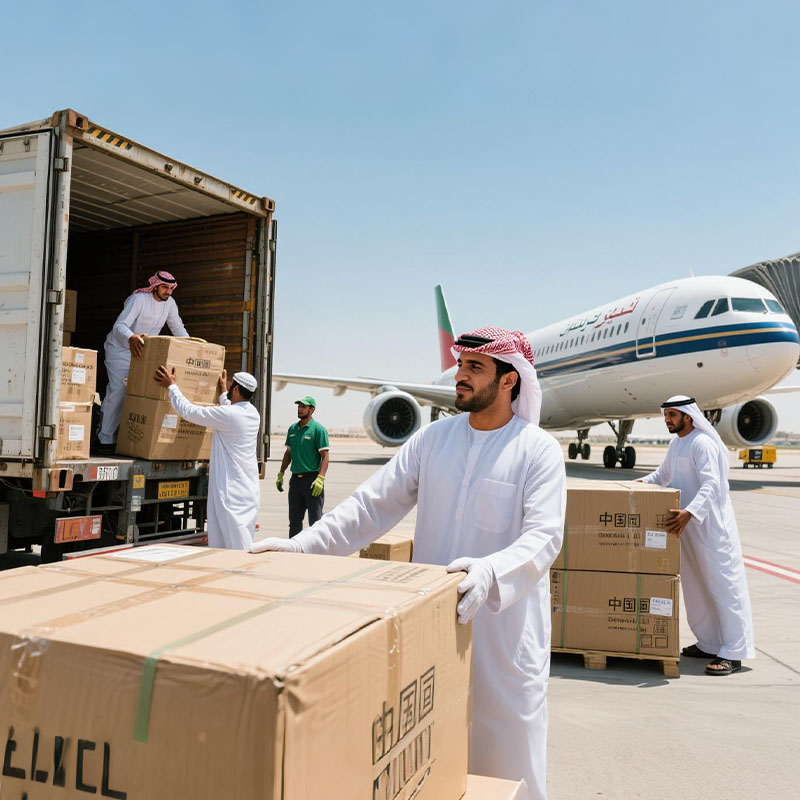
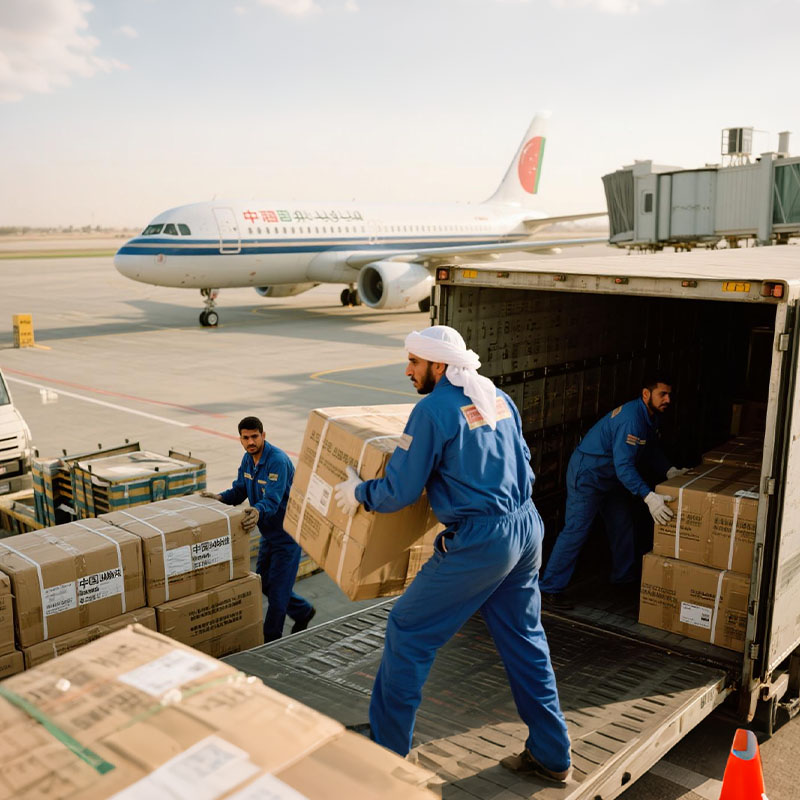
The best door-to-door shipping options from China to the UAE include express carriers like DHL, FedEx, and UPS, which offer faster shipping times. For larger shipments, ocean freight is more cost-effective. E-Chain Logistics offers DDP shipping services and offers daily container load services.
When importing from China, it can be difficult to find reliable shipping information. This ultimate guide is your one-stop shop for everything you need to know about shipping goods from China to the United States. You’ll learn about costs, customs prohibitions, and more!
As tensions continue to escalate in the Strait of Hormuz, traditional maritime shipping is trapped in a dilemma — either rerouting via the Cape of Good Hope (taking 55–65 days) or paying hefty war risk surcharges. Meanwhile, a Steel Silk Road stretching across Eurasia is quietly reshaping the logistics landscape of China-Iran trade.
Latest data as of May 2026 shows the China-Iran Railway has achieved regular operation with five weekly departures, reaching Tehran, Iran directly from Xi’an and Yiwu, China in just 15 days.

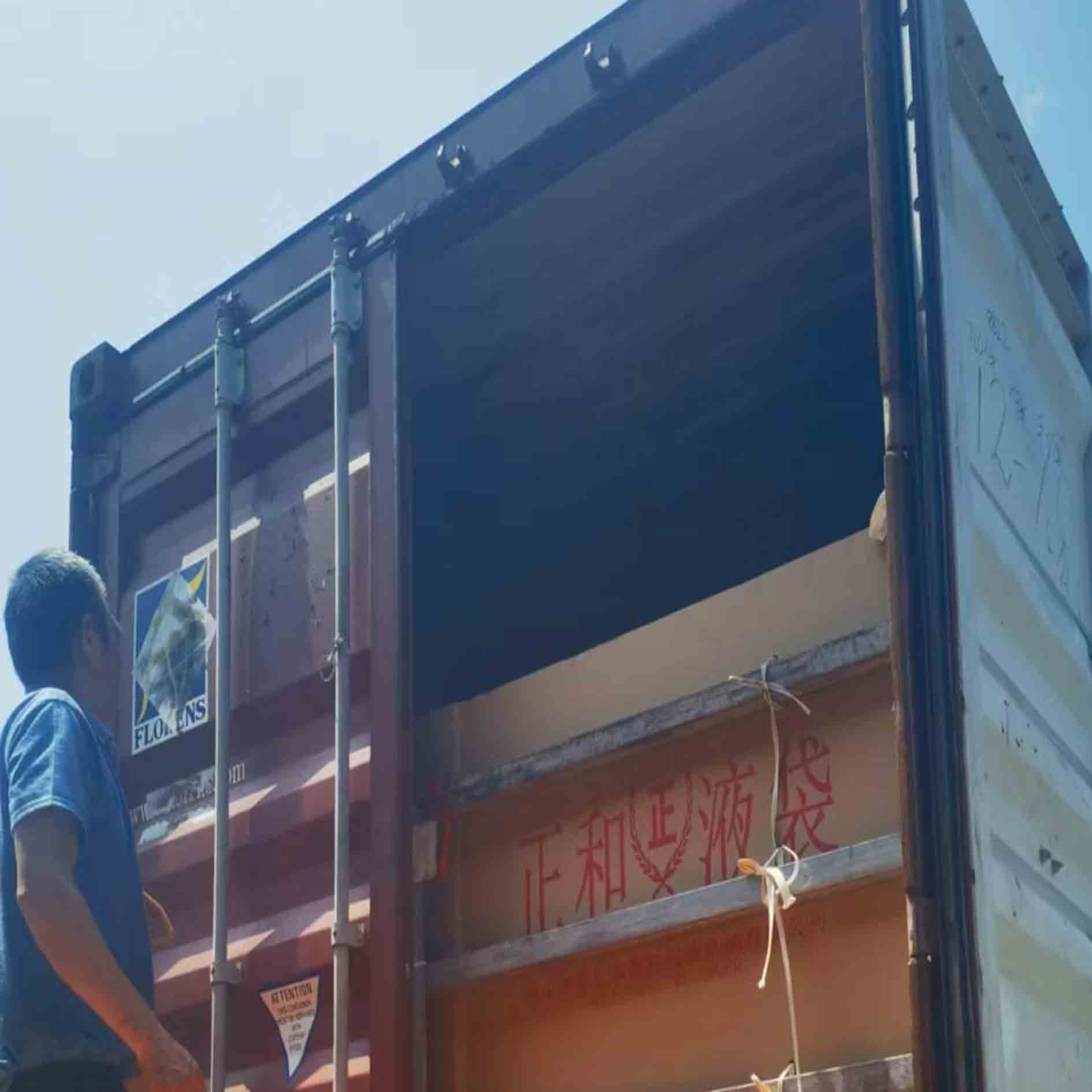
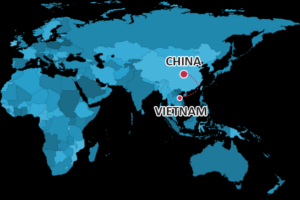
Vietnam is rapidly emerging as a new engine for manufacturing in Southeast Asia, driving sustained growth in demand for liquid chemicals across industries such as coatings, adhesives, textile auxiliaries, and industrial cleaners. Data shows that China’s chemical exports to Vietnam consistently rank among the highest, with liquid products (e.g., ethyl acetate, polyether, water-reducing agents, hydrogen peroxide, etc.) accounting for a growing share.
However, the transport of liquid chemicals presents three major challenges: high packaging costs, significant maritime risks, and stringent customs clearance requirements. How can cross-border transportation be both economical and efficient while ensuring safety? For most non-hazardous or low-risk liquid chemicals, the Flexitank is currently the most cost-effective solution for exports from China to Vietnam.
Naturally, the transit time of your shipment will be affected by the delivery method you choose. You must make a decision based on several factors. These include your budget, deadlines, and what will be most economical in the long run.
Their service includes; world transport services, timely storage, and emergency logistical support.
Freight forwarding is a booming industry in the Philippines. Domestic freight forwarding can be categorized into four categories: air freight, ocean freight, port-to-door, and door-to-door. In this blog post, we’ll highlight 10 of the best freight forwarding companies in the Philippines that have been operating for at least three years or are accredited by the Federal Motor Carrier Safety Administration (FMCSA).

When importing from China, it can be difficult to find reliable shipping information. Below is your one-stop shop for everything you need to know about shipping from China to the United States. You ‘ll also learn about costs, customs prohibitions, and more!
If you’re looking to import goods from China to Canada, you’ll want to read this guide.
E-Chain Logistics has been committed to international freight forwarding from China to Canada since 2005. We provide one-stop sea and air freight logistics solutions from China to China at competitive prices for all importers and wholesalers in Oman .
Imported wedding dresses, furniture, and tires are among the main commodities exported by Chinese exporters to South Africa. China is shown exporting the following products: luggage manufacturers – products or parts from China: furniture and automotive electronic parts. Imported cars and other items from China to South Africa include furniture, construction materials, tires, and solar panels from China.
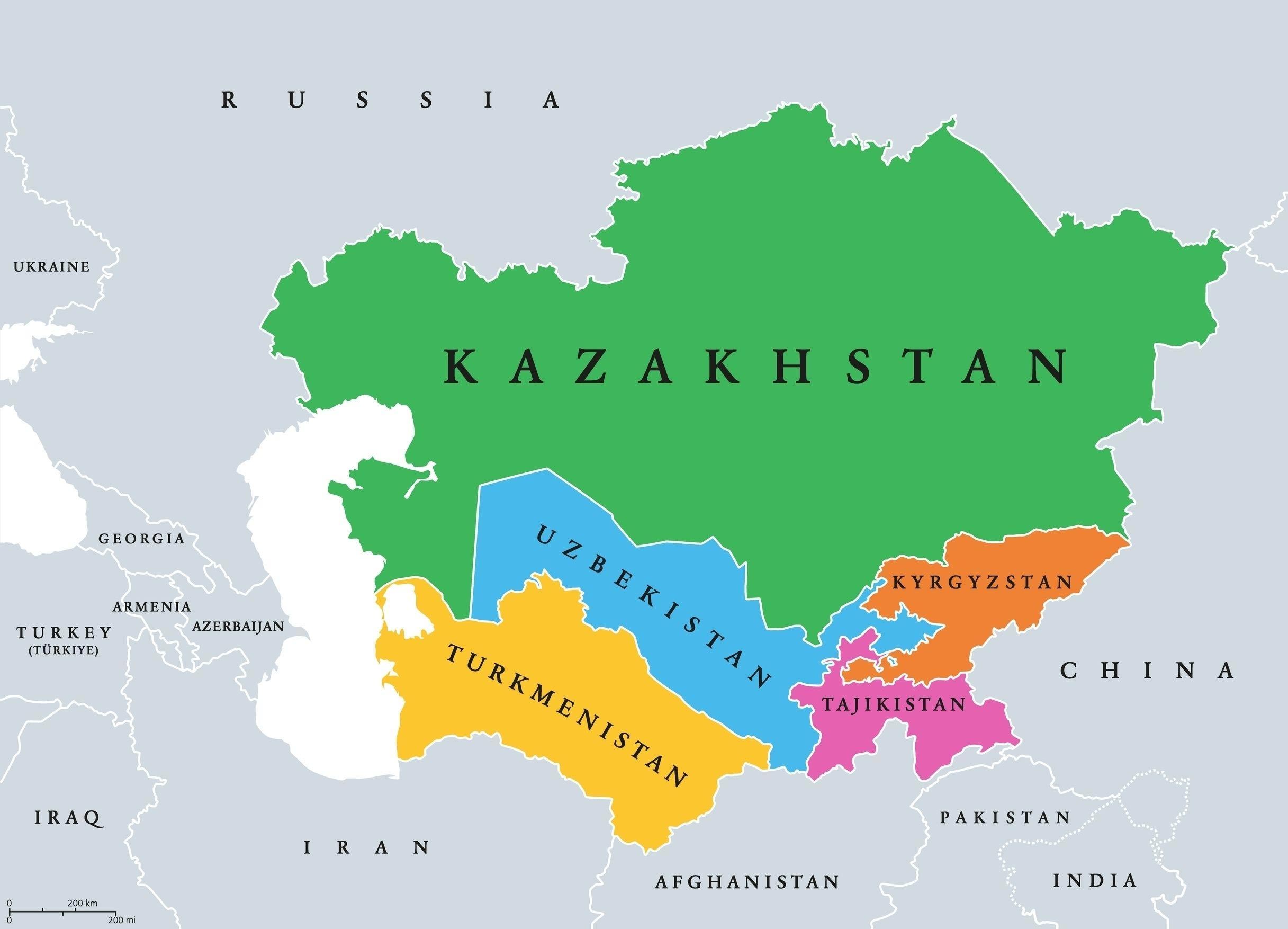
In recent years, with the continuous advancement of the Belt and Road Initiative, economic and trade cooperation between China and Central Asian countries has deepened significantly. A growing number of Chinese enterprises have been exporting a wide range of products to Kazakhstan, Uzbekistan, Kyrgyzstan, Tajikistan, and Turkmenistan.
From traditional consumer goods and electronics to construction machinery, automobiles, building materials, and renewable energy equipment, “Made in China” products are rapidly entering the Central Asian market.
Given that most Central Asian countries are landlocked with no direct access to seaports, logistics for Chinese exports to this region differ from those to other overseas markets. Common transportation methods include rail freight, road transport, air cargo, and multimodal solutions.
Choosing the right logistics strategy not only reduces costs but also enhances efficiency and ensures stable supply chains.
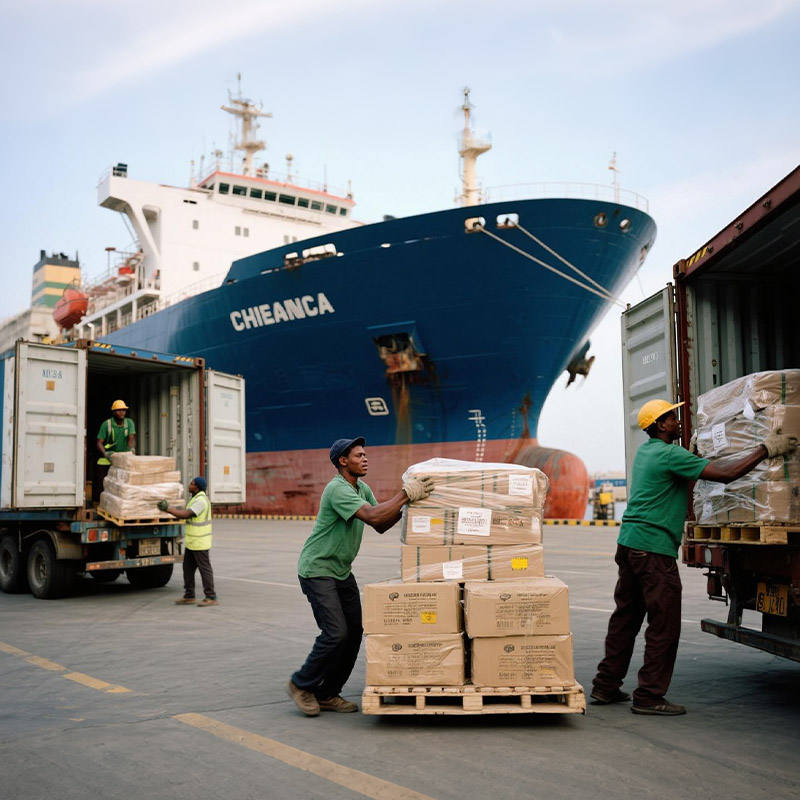
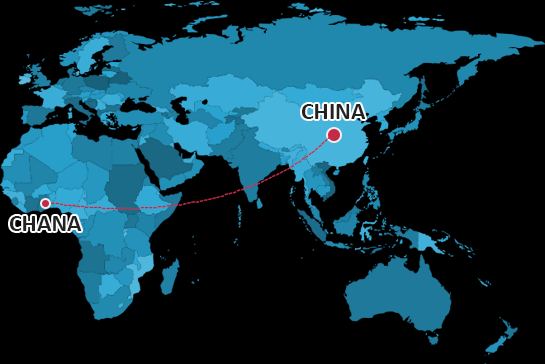
With the continuous growth of China–Ghana trade, a large volume of construction materials, daily commodities, engineering machinery, vehicles, and mining equipment are being exported from China to major Ghanaian ports such as Tema Port and Takoradi Port. Many foreign trade companies, infrastructure contractors, and local Ghana importers often face challenges including unstable shipping capacity, complicated customs clearance procedures, difficult last-mile delivery, and a lack of professional solutions for oversized equipment transportation.
With years of experience in China to Ghana logistics services, we have developed a comprehensive China–Ghana ocean freight shipping solution covering the entire supply chain. From cargo pickup, export customs clearance, international sea transportation, destination customs clearance, to final delivery, we provide a one-stop logistics solution to solve all cross-border shipping challenges.
As a reliable China–Ghana international freight forwarding specialist, we are committed to providing stable, efficient, and cost-effective logistics services for global customers.
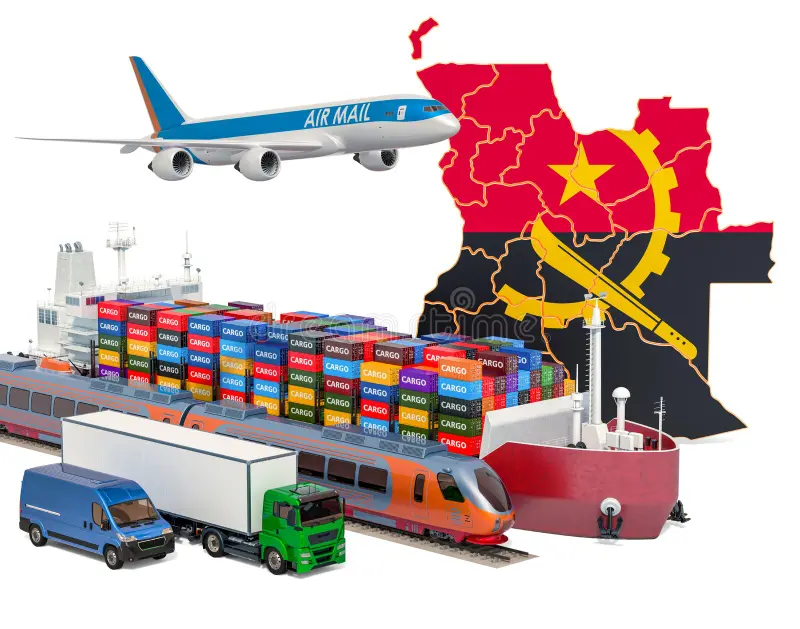
The Republic of Angola, commonly known as Angola, is a country located in Southwestern Africa. It is bordered by the Atlantic Ocean to the west, the Republic of the Congo and the Democratic Republic of the Congo to the north and northeast, Namibia to the south, and Zambia to the southeast. Angola also includes the exclave province of Cabinda, which is situated between the Republic of the Congo and the Democratic Republic of the Congo. The country’s capital and largest city is Luanda.
China and Angola maintain strong and growing trade relations, with a wide range of goods exchanged between the two countries. For businesses engaged in cross-border trade between China and Angola, having a thorough understanding of international shipping procedures, logistics solutions, customs clearance requirements, and freight transportation options is essential to ensuring efficient, secure, and cost-effective cargo delivery.
As a key trade hub in North Africa, Algeria has strong market demand for Chinese products including mechanical and electrical equipment, building materials, home supplies, textiles, auto parts and new energy products. Only by selecting stable and reliable shipping solutions, mastering customs clearance regulations and controlling logistics costs can your goods arrive efficiently, safely and in full compliance with local laws.
Don't you have an account? Register.
Already have an account? Sign in.
| Size | US | Bust | Waist | Low Hip |
|---|---|---|---|---|
| XS | 2 | 32 | 24 - 25 | 33 - 34 |
| S | 4 | 34 - 35 | 26 - 27 | 35 - 26 |
| M | 6 | 36 - 37 | 28 - 29 | 38 - 40 |
| L | 8 | 38 - 29 | 30 - 31 | 42 - 44 |
| XL | 10 | 40 - 41 | 32 - 33 | 45 - 47 |
| XXL | 12 | 42 - 43 | 34 - 35 | 48 - 50 |
Measure around the fullest part of your bust.
Measure around the narrowest part of your torso.
With your feet together measure around the fullest part of your hips/rear.