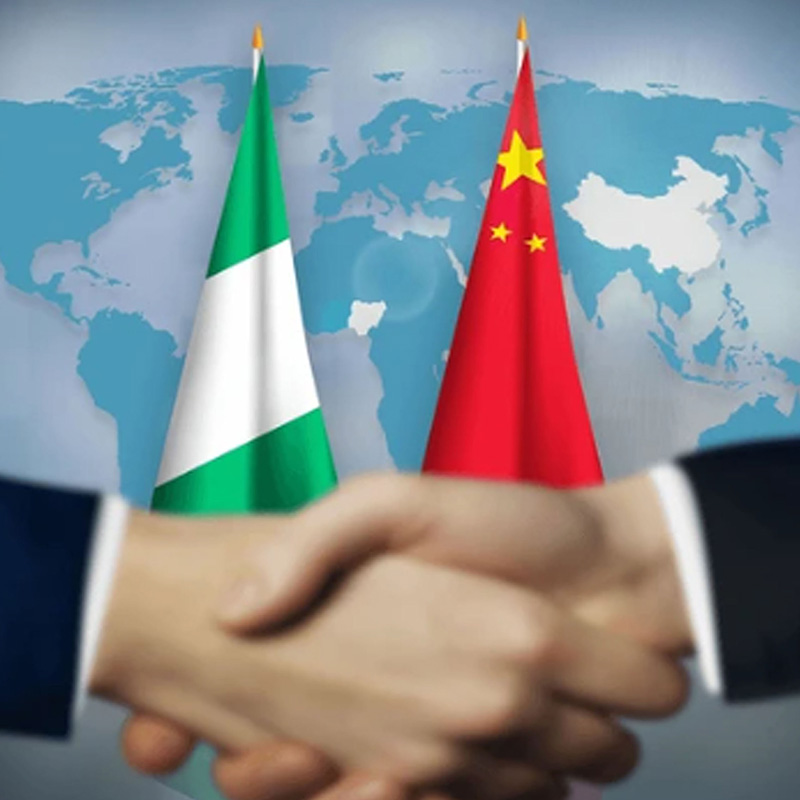
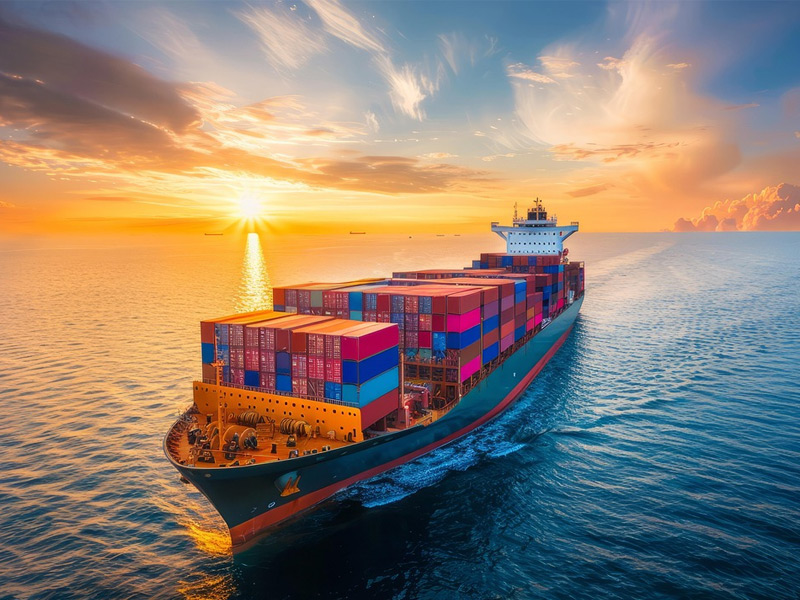
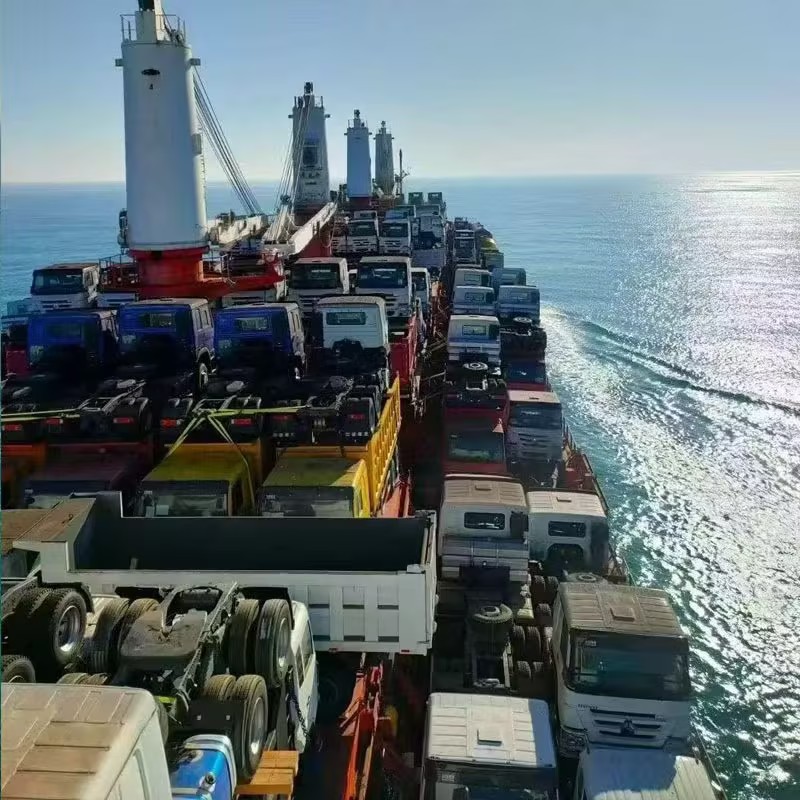
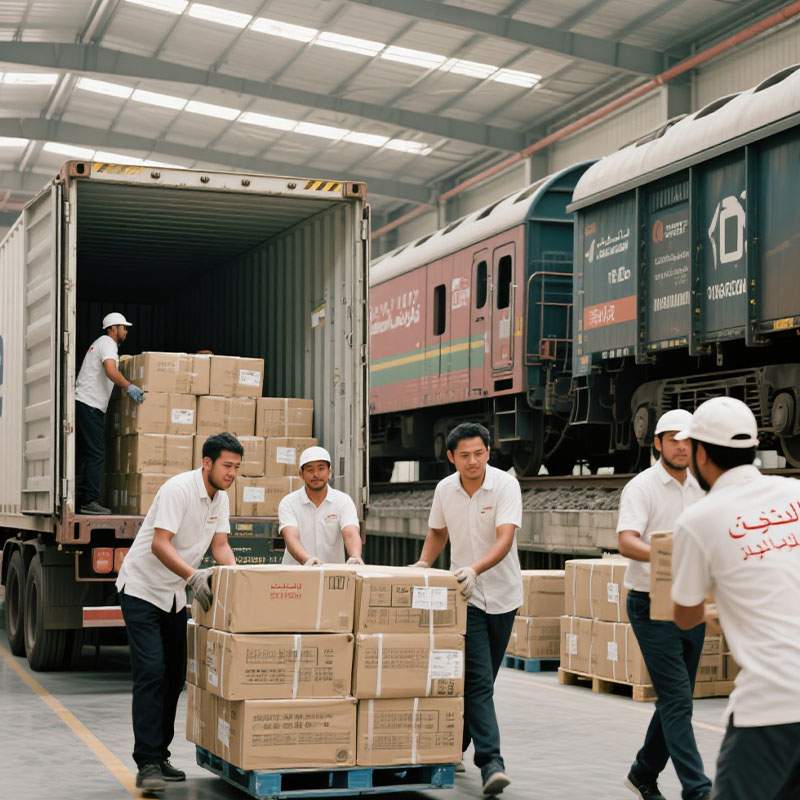
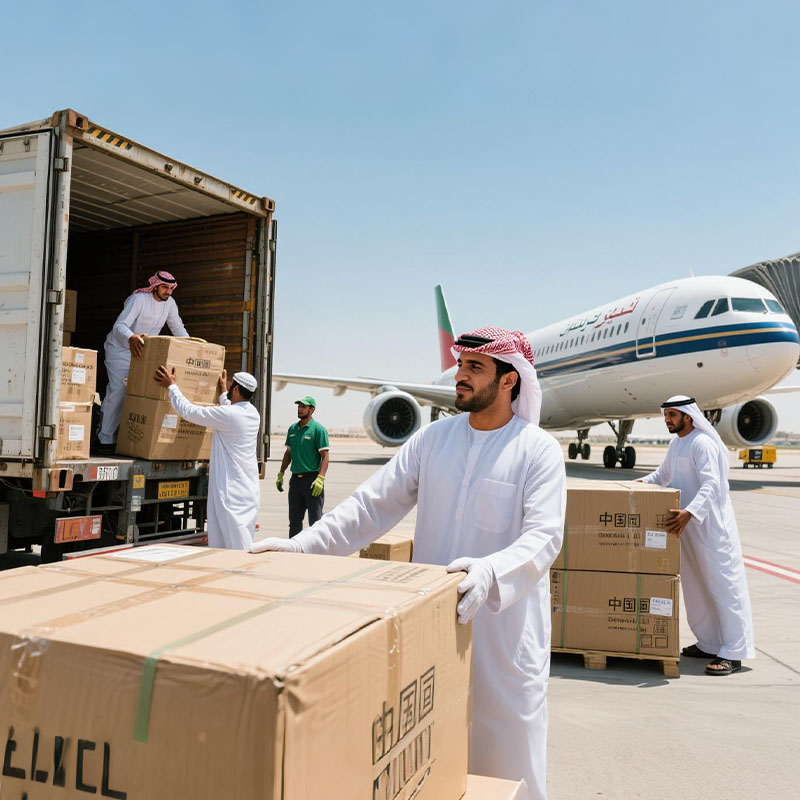
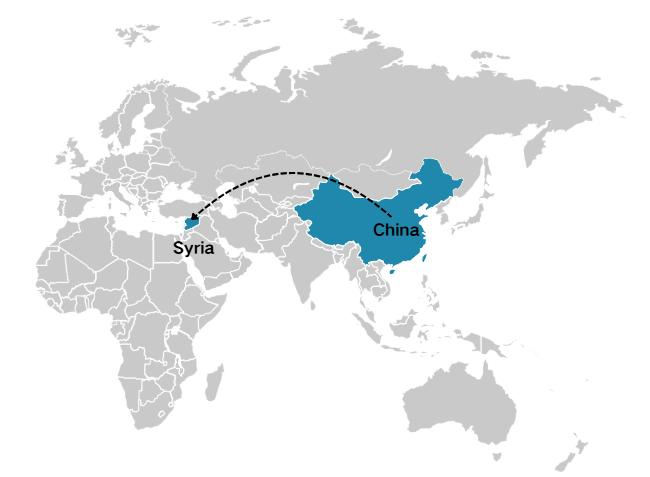
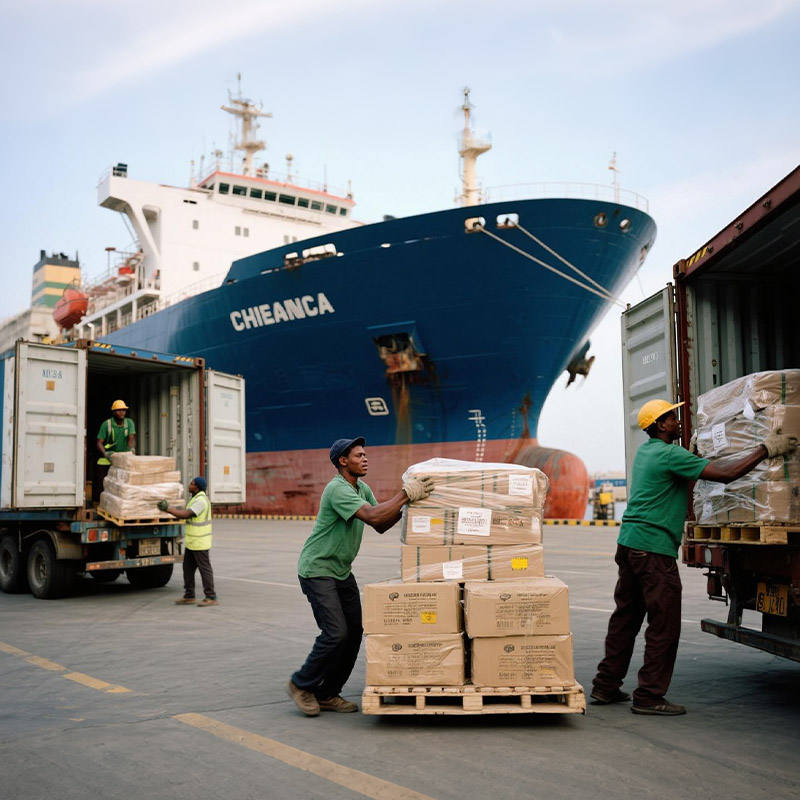
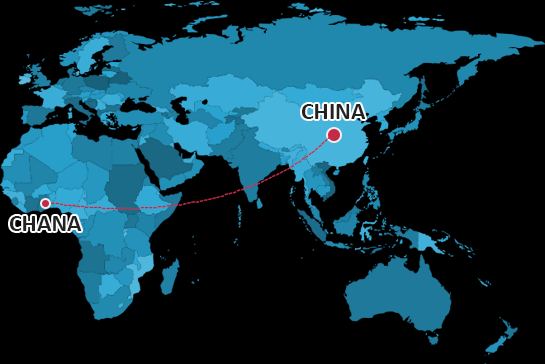
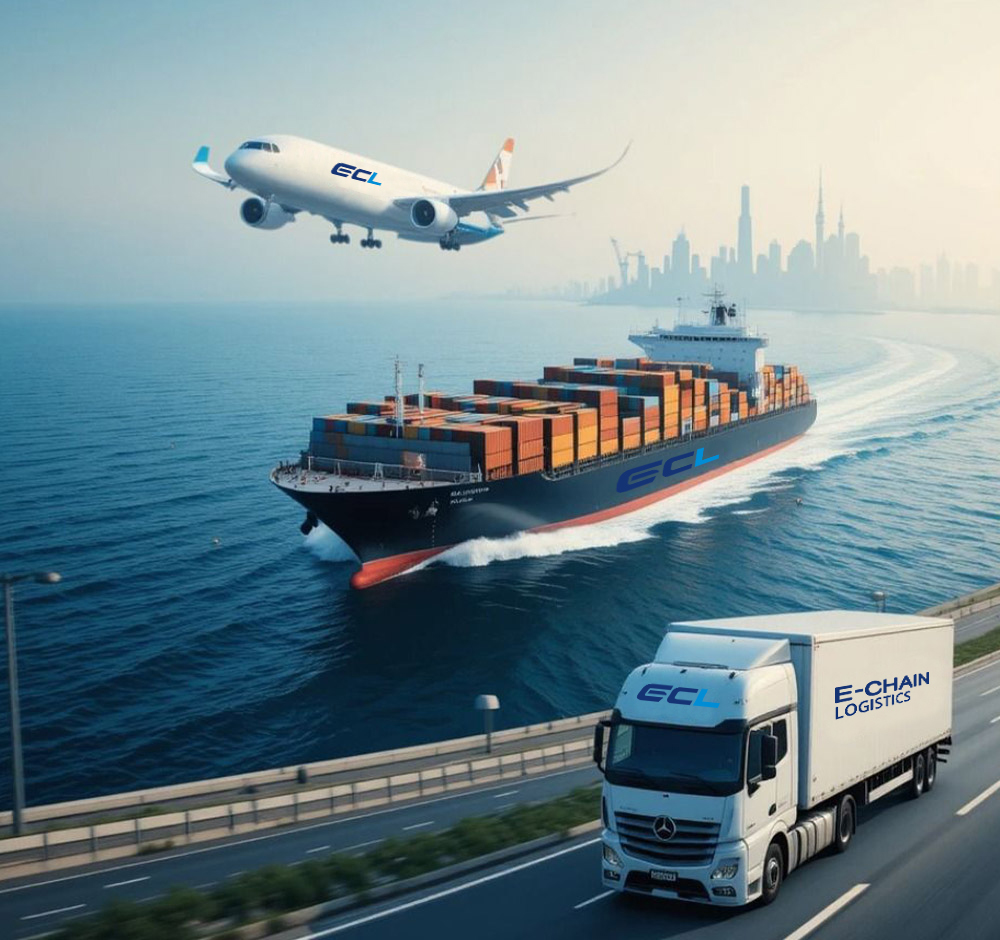
MAINSTREAM TRANSPORTATION METHODS FOR GOODS SHIPPED FROM CHINA TO NIGERIA:
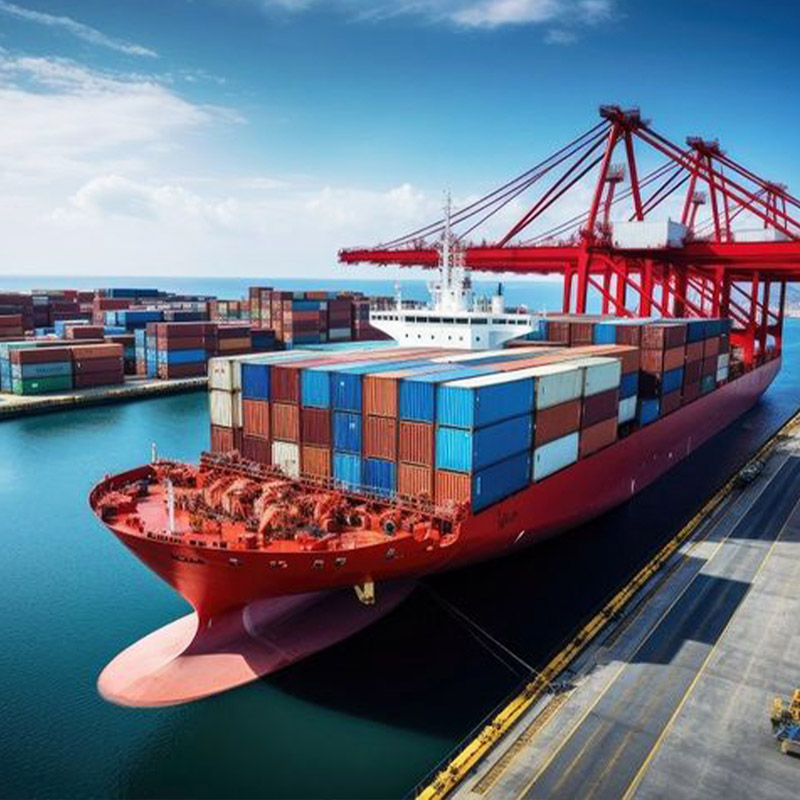
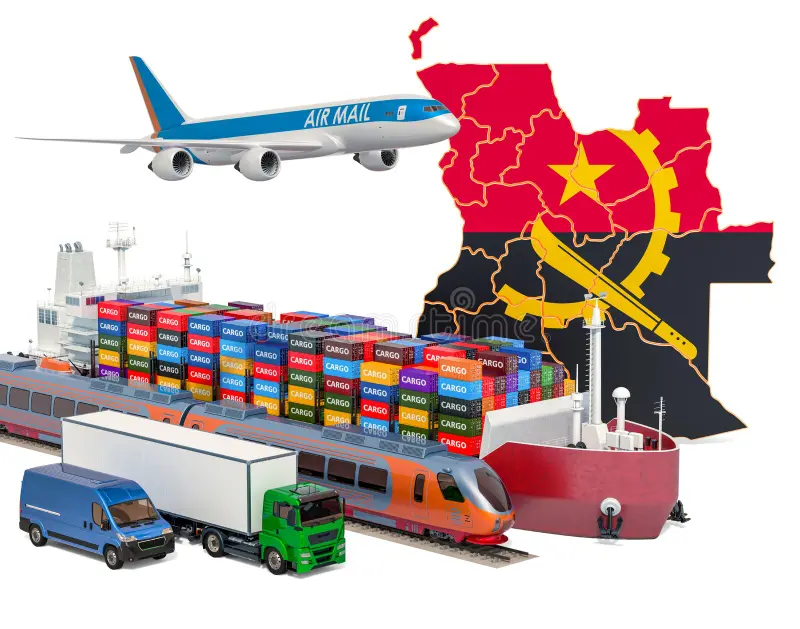
Full Container Load (FCL) / Less than Container Load (LCL) / Dedicated Air Freight Line.
Recommended Selection:
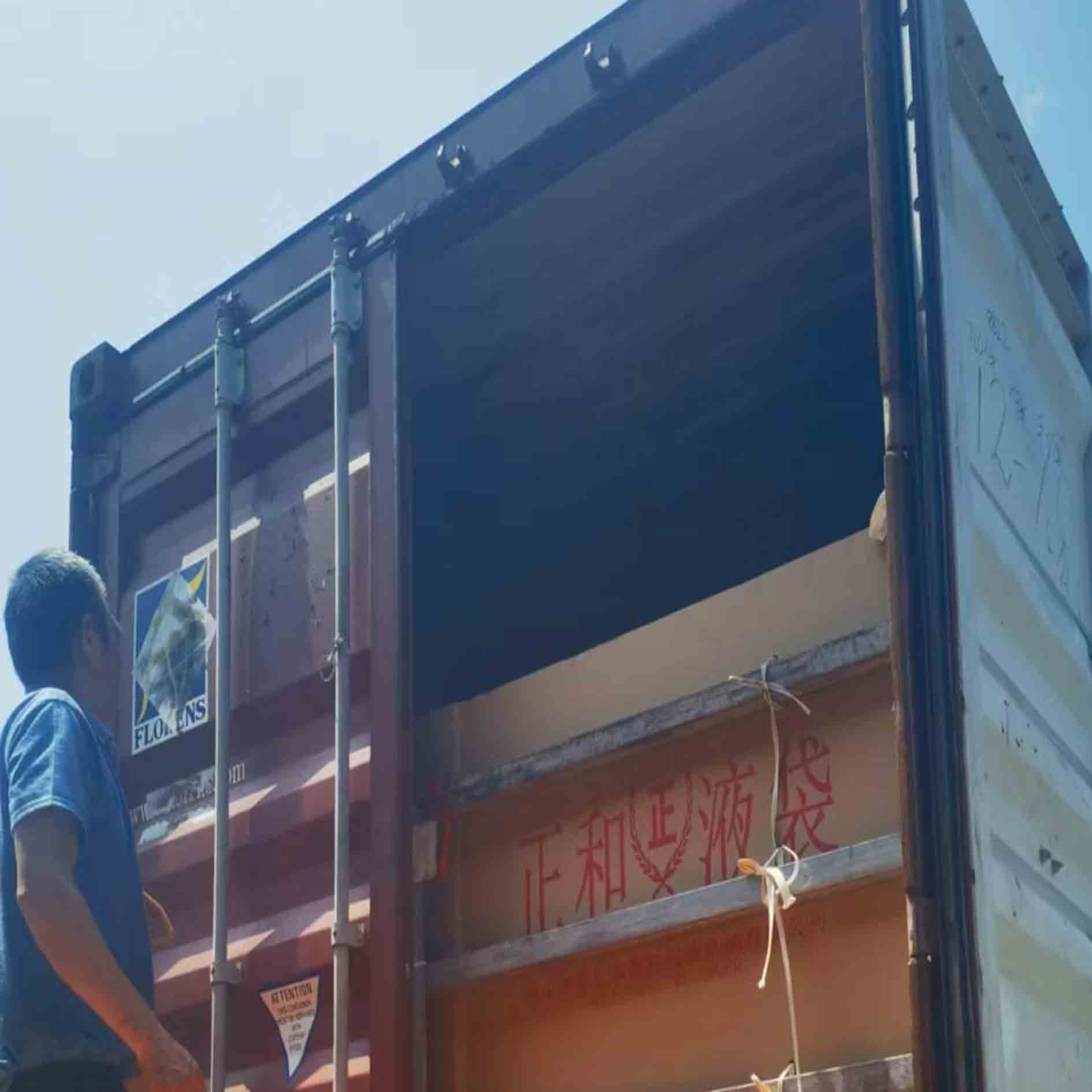
Bulk/Non-urgent: FCL to control costs.
Small/Medium Quantity: LCL for flexibility.
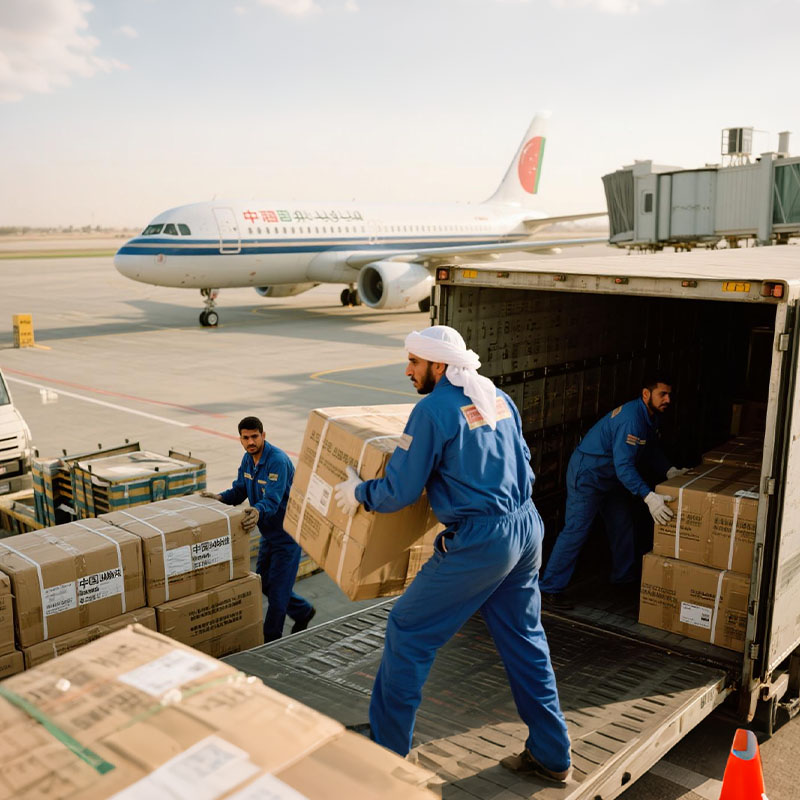
High-Value/Urgent: Air freight or international express to ensure timely delivery; Sensitive Goods: Dedicated Express Line (DDP with customs clearance and taxes included) to reduce compliance risks.
CONTACT US
MAJOR PORTS FROM CHINA TO NIGERIA
Major Ports of Origin in China
- Tianjin Port: Located on the northern coast of China, it is a major port in northern China. There are direct shipping routes from Tianjin Port to Nigeria, with a transit time of approximately 30 days. Goods from North and Northwest China can be transported to Tianjin Port by rail or road for re-export, making it a crucial logistics hub connecting northern China and Nigeria.
- Qingdao Port: Located at the heart of the Bohai Rim port cluster, the Yangtze River Delta port cluster, and the Japan-South Korea port cluster, situated on the west coast of the Yellow Sea and the southern coast of the Shandong Peninsula in Jiaozhou Bay, it is an important international trade port and maritime transport hub on the west coast of the Pacific Ocean. It is China’s second largest foreign trade port and a key node port in the Belt and Road Initiative, playing a vital role in connecting China with the world economy and promoting regional economic development.
- Shanghai Port: Located on the eastern coast of China, it is China’s largest port and a world-renowned international trading port. Its shipping routes cover the globe, possessing abundant container shipping resources. Shipping schedules to Nigeria are frequent, with numerous options for direct and transshipment routes, providing customers with efficient transportation services. • Ningbo Port: Located on China’s southeast coast, Ningbo Port is a major container port. Its advantages lie in its efficient port operations and relatively low logistics costs. It offers stable sea freight services to Nigeria and collaborates with multiple shipping companies, providing various transportation options.
- Shenzhen Port: Located on China’s southern coast, Shenzhen Port is an important port in South China. Its Yantian and Shekou ports are major container terminals with extensive shipping routes to Nigeria. It has a geographical advantage, especially for goods from South China, enabling rapid transport to Nigeria.
- Guangzhou Port: Located at the mouth of the Pearl River in southern China, Guangzhou Port is one of China’s oldest ports. Its Nansha Port area is the main container handling area. It offers mature sea freight services to Nigeria and can handle large volumes of cargo, making it a convenient export port for businesses in the Pearl River Delta region.
Major Ports of Destination in Nigeria
- Lagos Port: Located on the southern coast of Nigeria at the mouth of the Ogun River, bordering the northern side of the Bay of Benin, it is Nigeria’s largest port and the most important shipping hub in West Africa, handling over 70% of Nigeria’s import and export cargo. It comprises several terminals, including Apapa Port, Tin Can Port, and Lekki Port.
- Apapa Port: The largest terminal in the Lagos port complex and Nigeria’s busiest port, handling 70% to 80% of the country’s annual import and export cargo. While equipped with modern cargo handling facilities, its high volume of business often leads to congestion and shipping delays.
- Tin Can Port: Another important terminal in the Lagos port complex, smaller than Apapa Port, but prioritizes berthing for some shipping companies, resulting in slightly higher efficiency and alleviating some of the congestion pressure at Apapa Port.
- Lekki Port: A deep-water port that began operations in 2023. Built by China Harbour Engineering Company Limited, the port experiences less congestion and is expected to become one of Nigeria’s major ports in the future. With a designed annual handling capacity of 1.2 million TEUs, it will provide more efficient logistics support for Sino-Nigeria trade.
FREIGHT COSTS FROM CHINA TO NIGERIA
The estimated full container load (FCL) ocean freight rates from China to Nigeria in 2026 are (USD 3300/20GP, USD 4000/40HC). The core destination ports are Lagos (Apapa/Tincan) and Onne. Prices vary depending on the port of origin, container type, and shipping schedule. It is crucial to note that base ocean freight rates are affected by shipping companies, space availability, and peak/off-peak seasons. During peak seasons (such as before holidays), rates may increase by 10%–30%. Recommendation: Book 2–4 weeks in advance to avoid space shortages and last-minute price increases. Confirm the container type is suitable for your cargo (20GP is preferred for heavy cargo, 40HQ is preferred for lightweight cargo). Nigerian customs inspections are strict; prepare complete customs clearance documents in advance to reduce the risk of delays.
CONTACT US
HOW LONG DOES IT TAKE TO SHIP FROM CHINA TO NIGERIA?
Sea Freight: Port-to-port direct shipping: 30-35 days; transshipment: 40-50 days. Door-to-door Full Container Load (FCL): 35-50 days; Less than Container Load (LCL): 40-60 days. Significantly affected by booking, port congestion, and customs clearance speed. Lagos port often experiences delays of 1-2 weeks due to congestion.
Air Freight: Airport-to-airport: 5-8 days. Special shipments (such as oversized items) may take 8-12 days. Door-to-door: Including pickup, customs declaration, transshipment, destination port customs clearance, and delivery, the entire process takes 6-12 days. Sensitive goods (containing batteries, powders) require additional compliance handling, and the delivery time may increase by 1-2 days.
Courier: International commercial couriers: DHL, UPS, etc. Door-to-door delivery: 3-7 business days. Strong customs clearance capabilities, suitable for small and urgent items (such as samples, documents). Dedicated Express Line: Double customs clearance and tax included dedicated line, 5-7 days from Hong Kong, 8-10 days from mainland China, can accept general cargo, branded goods, pure batteries, etc., and the price is more favorable than commercial express.
CONTACT US
REQUIRED DOCUMENTS FOR INTERNATIONAL SHIPPING
Required Documents: Bill of Lading, Commercial Invoice, Packing List, Certificate of Origin (FORM M), SONCAP Certification (for regulated products), NAFDAC Permit (for food/pharmaceuticals).
Compliance Procedures: Accurately declare the value and name of goods to avoid underreporting and penalties; sensitive goods (containing batteries/powders) should be tested and packaged in compliance with regulations beforehand; air freight packages should not exceed 100kg per piece.
CONTACT US
THE BEST CHOICE FOR LOGISTICS AND SERVICES:
Choose a freight forwarder familiar with Chinese and Nepalese regulations and with a local customs clearance team to provide real-time tracking and transparent pricing. Prioritize DDP (Delivered Duty Paid), where the seller covers all customs duties and clearance, with zero buyer involvement; door-to-door service reduces intermediaries. Confirm detailed cost breakdowns (freight/customs duties/demurrage fees) and avoid hidden charges; purchase cargo insurance in advance (all risks for ocean freight, aviation insurance for air freight).
CONTACT US
COMMON RISKS AND COUNTERMEASURES
Risks | Countermeasures
Port Congestion: Choose direct shipping + new port (Lekki/Angne), allow 7-14 days of free storage period, purchase demurrage insurance
Customs Clearance Delays: Pre-screen documents, choose freight forwarders with local teams, avoid under-reporting/misreporting
Price Fluctuations: Lock in prices in advance during peak seasons (June-August, November-December), sign long-term agreements with freight forwarders
Cargo Damage: Compliant packaging + insurance, FCL loading supervision, LCL photographic evidence
CONTACT US
MAJOR EXPORT CATEGORIES FROM CHINA TO NIGERIA
Major Export Categories for China to Nigeria
Mechanical and Transportation Equipment:This is the most important export category. Electrical machinery, equipment and parts (such as smartphones), mechanical equipment, and vehicles and their parts (such as motorcycles) are the highest-value exports, especially new energy products, such as lithium-ion batteries, which have seen rapid export growth.
Basic Industrial Products and Building Materials:Nigeria’s infrastructure and manufacturing development has driven related demand. Exports of steel and steel products have seen significant growth in both volume and price. In addition, exports of plastics and their products, and rubber and its products have also maintained growth.
Textiles and Consumer Goods:Demand is strong for textile raw materials such as chemical fiber filaments and cotton fabrics. Exports of daily consumer goods such as wigs, shoes, and furniture are also substantial, demonstrating the rigid demand in the local market.
CONTACT US
 English
 Arabic
 Chinese (Simplified)
 Dutch
Dutch French
 German
 Italian
 Portuguese
 Russian
 Spanish

 Suede leggings XL/BlueRemove 1 × $60.00 f
 Contrasting sheepskin... XL/BlueRemove 1 × $60.00
 Biker-style leggings XL/BlueRemove 1 × $60.00
 Contrasting sheepskin sweatshirt XL/BlueRemove 1 × $60.00