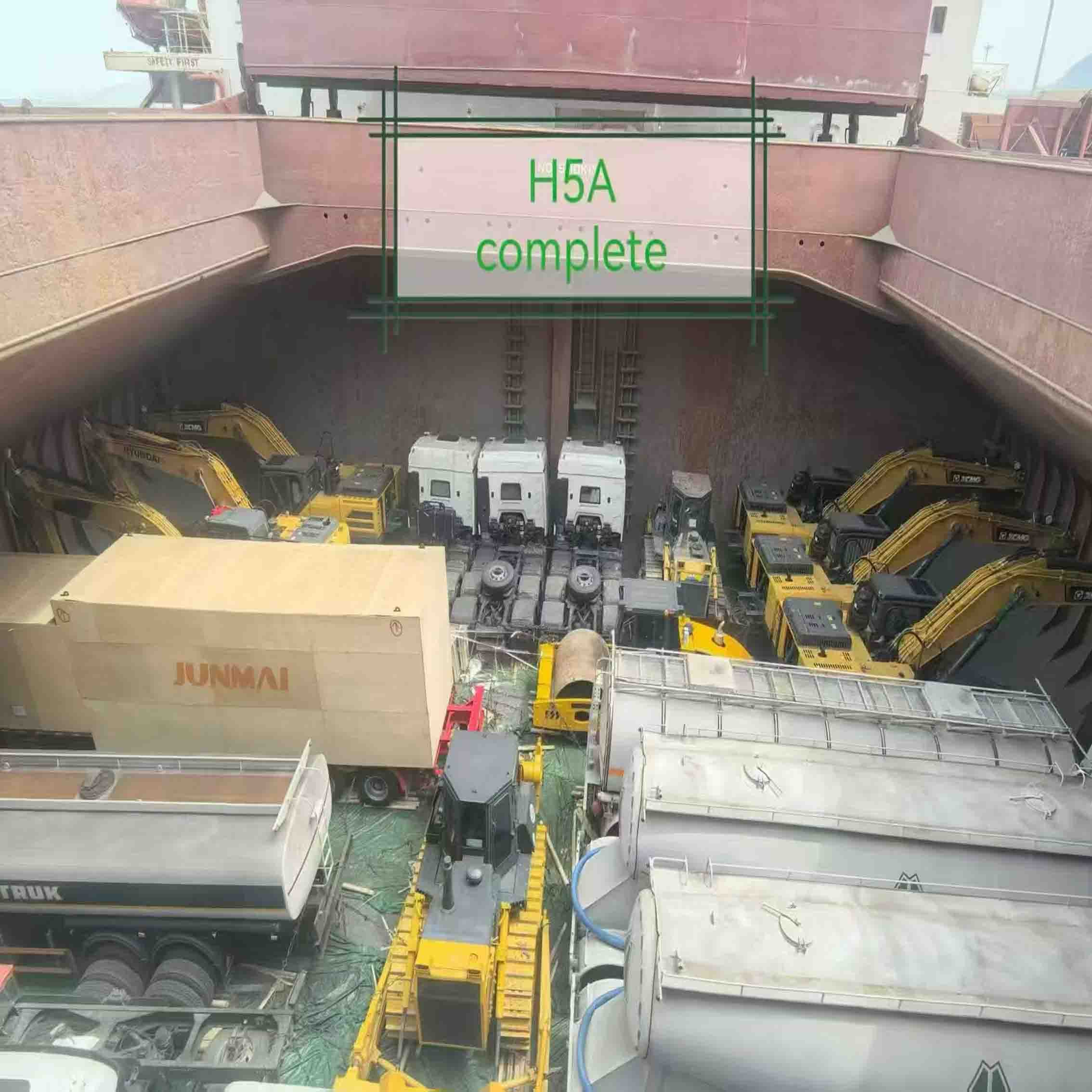
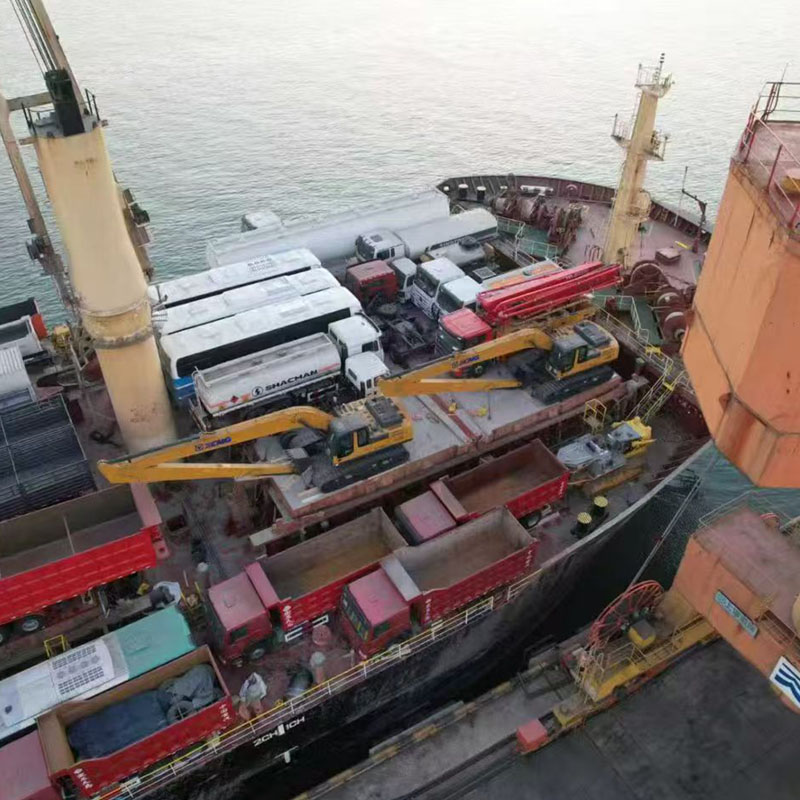
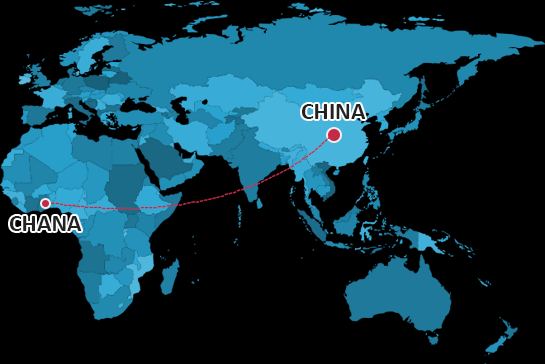
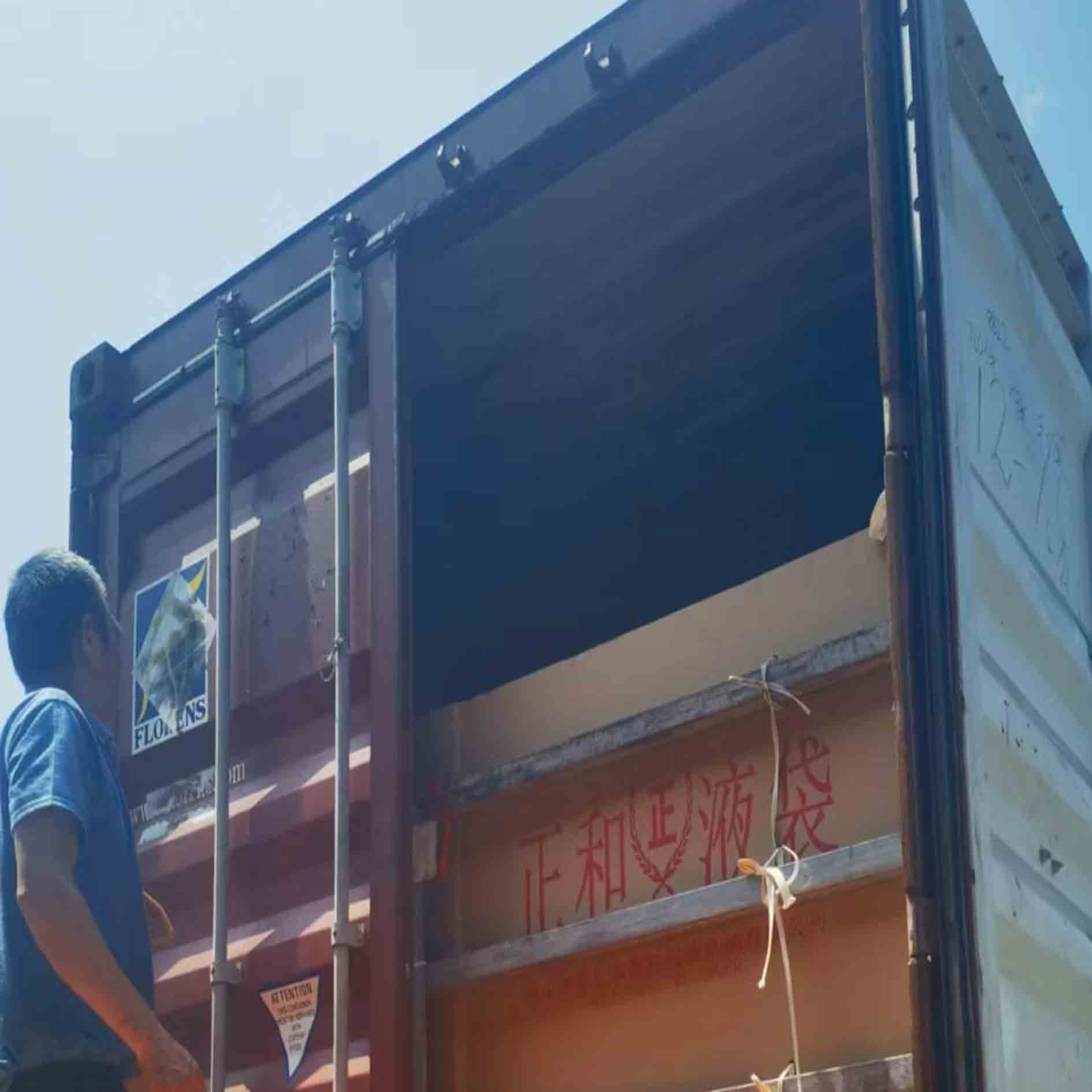
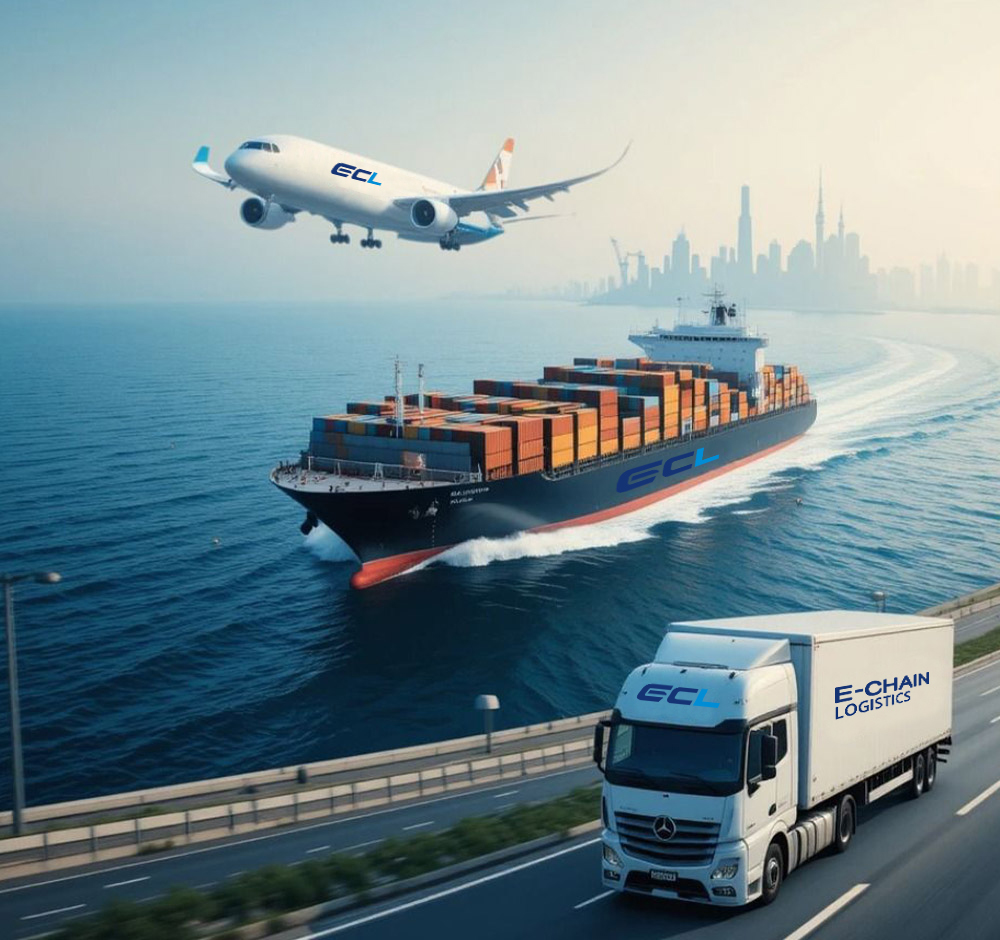
TIANJIN E-CHAIN LOGISTICS SUPPLY-CHAIN CO.,LTD provides TIANJIN MATCH MACHINERY CO.,LTD https://www.match-machinery.com/with a dedicated Nigeria-Abuja DDP door-to-door service, including double customs clearance and tax payment. The service covers engineering machinery parts export, SONCAP certification handling, Nigeria customs duty payment, and delivery throughout Abuja, with door-to-door transit times of 8–45 days via air or sea freight.
Case Background: A Typical Export Requirement for Construction Machinery Parts
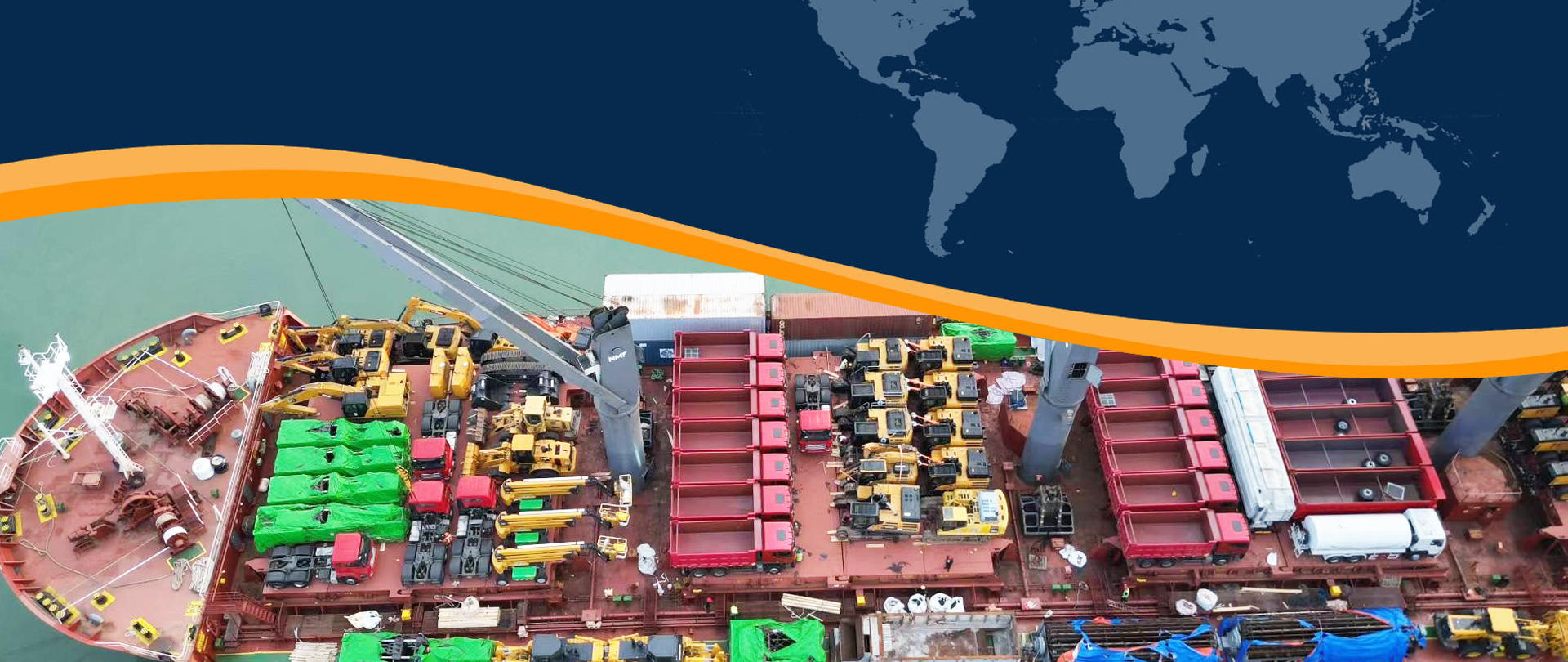
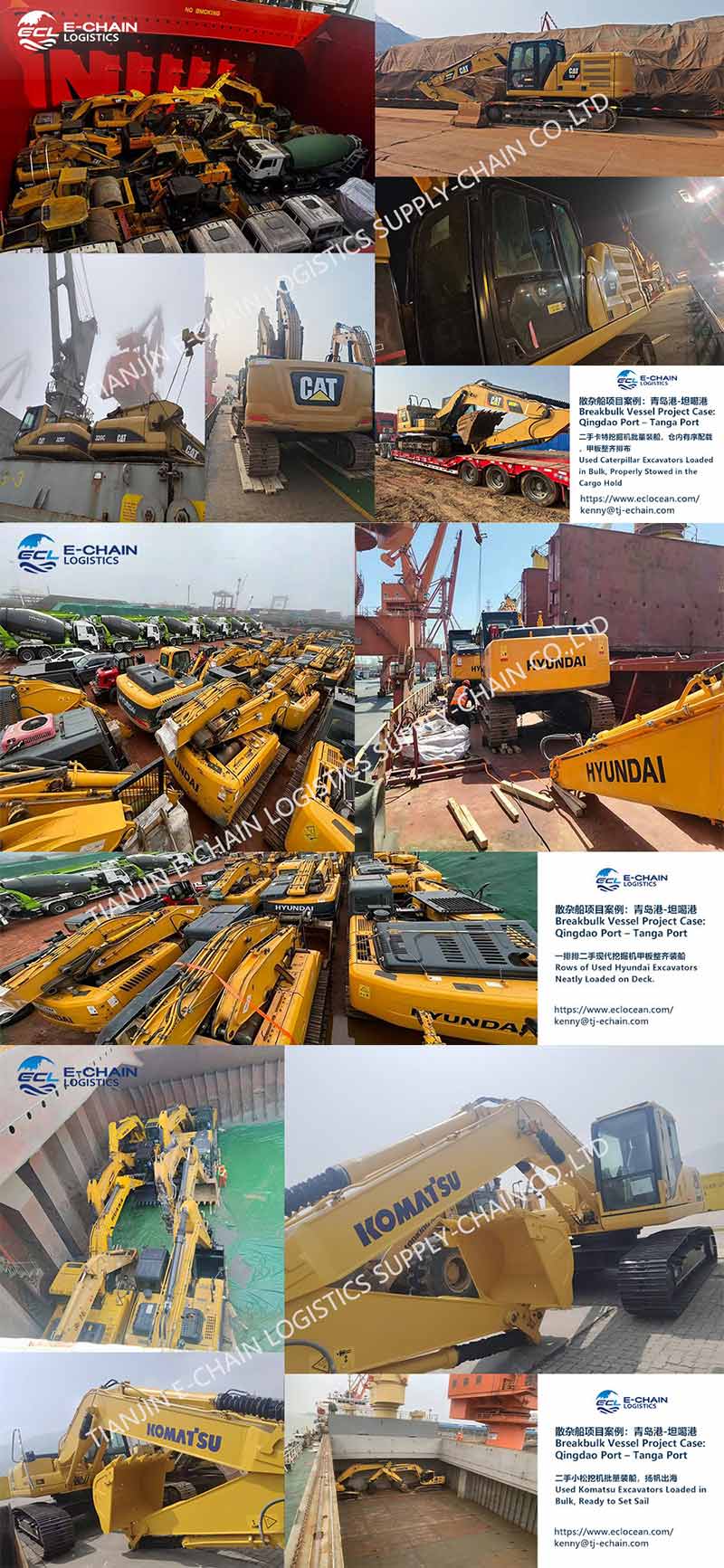
TIANJIN MATCH MACHINERY CO.,LTD is a Tianjin‑based supplier of construction machinery parts, specializing in spare parts for machinery brands including Komatsu, Caterpillar and Hyundai. Recently, Match Machinery needs to ship a batch of machinery parts to Abuja, the capital of Nigeria, for delivery to its local customer.
The core challenge confronting Match Machinery lies in Nigeria’s complicated customs‑clearing system. Without a local Nigerian entity or import qualification, the company cannot independently complete procedures such as SONCAP certification, Form M application, PAAR acquisition and tariff payment. Absent certification or with inconsistent documentation, the goods risk being detained upon arrival at port, failing customs clearance, or even being confiscated or destroyed.
For this reason, Match Machinery has entrusted the full‑process logistics to TIANJIN E‑CHAIN LOGISTICS SUPPLY‑CHAIN CO.,LTD under the DDP (Delivered Duty Paid) term with door‑to‑door service including customs clearance and tax payment.
Tianjin E‑Chain’s DDP Solution
Selection of Transportation Options
For this shipment of machinery parts to Abuja, Tianjin E‑Chain offers two DDP solutions:
Option 1: Sea Freight DDP (Recommended for large‑volume parts)
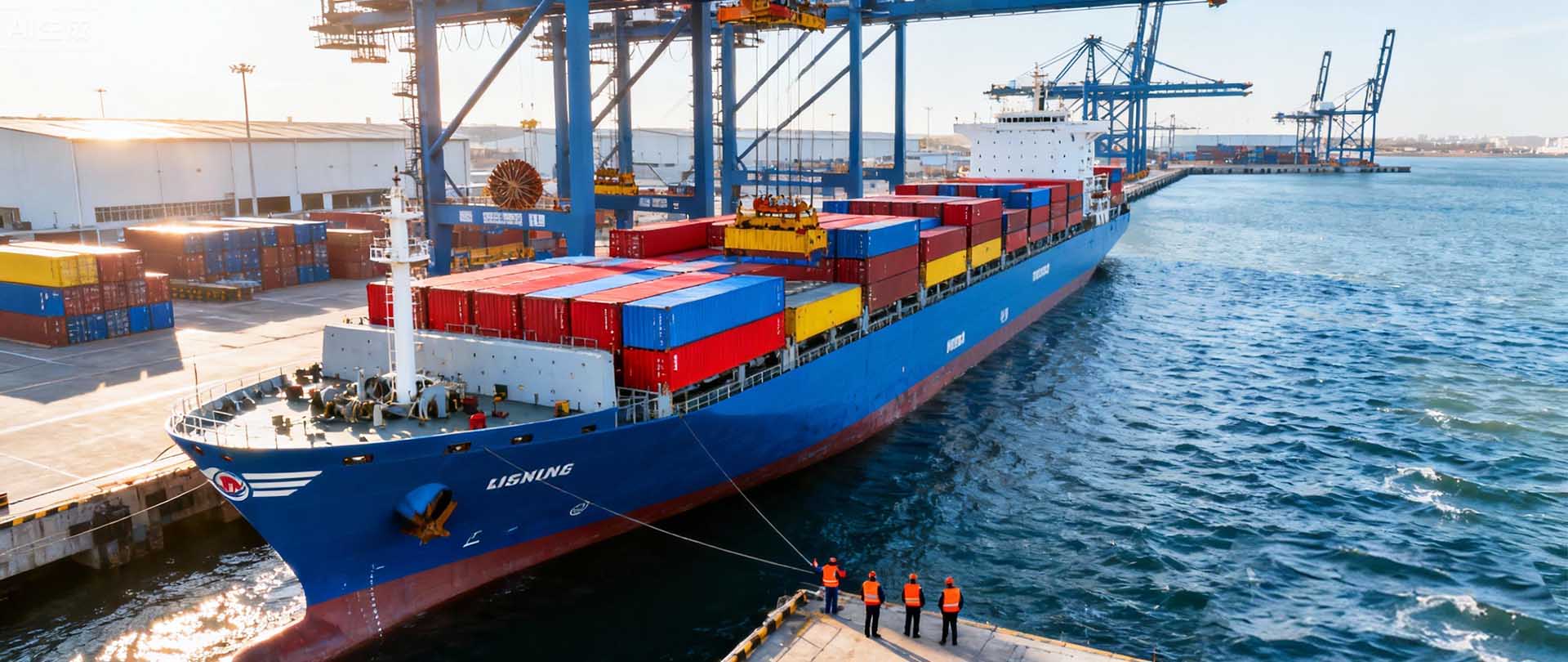
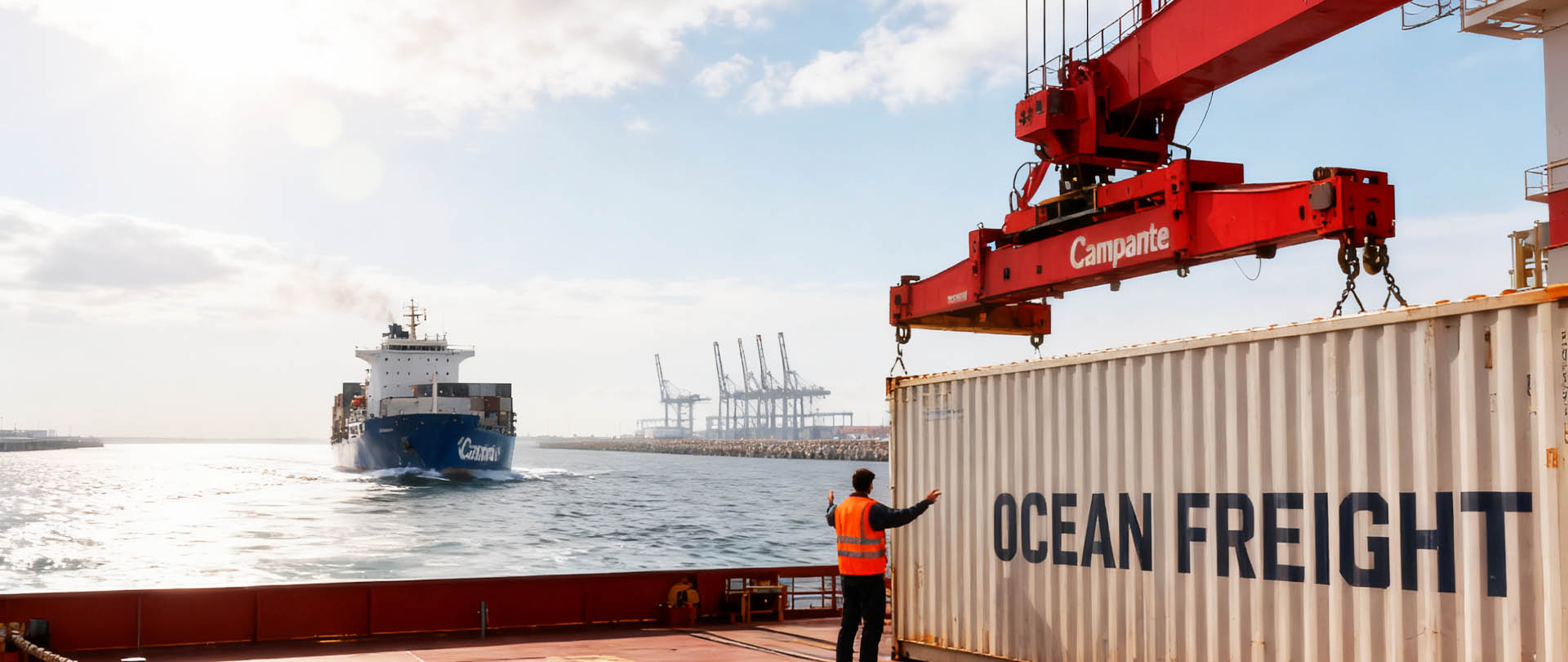
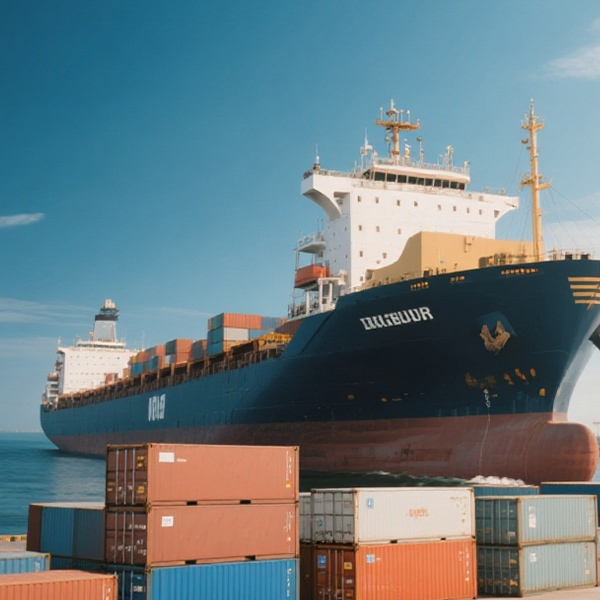
Port of Loading: Tianjin Port Port of Destination: Lagos (Apapa Port / Tin‑Can Island Port) Sea transit time: Approximately 38‑45 days port‑to‑port from Tianjin to Lagos. Around 50 days should be reserved in case of port congestion or transshipment delays. Total door‑to‑door lead time: Approximately 50‑65 days (including customs clearance and inland delivery to Abuja). Applicable scenario: Large‑volume, non‑urgent parts restocking.
Sea Cargo Shipment Tracking
Option 2: Air Freight DDP (Recommended for urgent high‑value parts)
Airport of Departure: Shenzhen / Hong Kong Destination Airport: Lagos or Abuja International Airport Air transit time: Approximately 5‑12 days Total door‑to‑door lead time: Approximately 8‑15 days Applicable scenario: High‑value and urgently‑needed parts replenishment.
Air Cargo Shipment Tracking
What is DDP (Door-to-Door Service with Customs Clearance and Tax Prepaid)?
DDP stands for Delivered Duty Paid. Under this Incoterm, as the shipper or purchaser, you only need to hand over the goods to the freight forwarder. The logistics service provider will complete the whole process in one stop, including China export customs declaration, international transportation, Nigerian import customs clearance, payment of import duties and VAT, and final delivery to the designated address in Nigeria.
Why DDP is the most hassle-free option for spare parts shipments to Nigeria?
Nigeria has a sophisticated customs regime. Construction machinery spare parts fall under SONCAP regulated goods. A full set of documents including SONCAP certificate, Form M and PAAR must be completed before shipment. Form M can only be filed by a Nigerian locally registered importer. Chinese exporters cannot apply for it independently without local import license. Any discrepancy in documents may result in cargo detention at Lagos ports, heavy demurrage charges, or even confiscation and destruction of goods.
Under DDP (Delivered Duty Paid) door-to-door service, the logistics provider (Tianjin E-Chain) takes charge of the entire logistics and customs compliance process, which perfectly fits Match Machinery’s project. The main advantages are as follows:
The logistics provider handles all Nigerian customs documentation Tianjin E-Chain uses its local Nigerian entity to process SONCAP certification, Form M application, PAAR acquisition, tax declaration and payment of import duties & VAT. As a Chinese supplier, Match Machinery does not need to set up a Nigerian local company or liaise with CBN, Nigeria Customs and SON. Only product information needs to be provided for coordination.
All-inclusive quotation with predictable landed cost, no hidden port charges The quoted rate covers domestic pickup, China export customs clearance, sea/air freight, destination customs clearance, import taxes, local handling in Lagos and inland delivery to Abuja. Unlike CIF / FOB terms which only deliver goods to port, DDP avoids unexpected extra costs such as detention fees, terminal charges and inspection fees. Total landed cost is fixed before shipment.
Risk managed by professional local customs team Apapa and Tin-Can Island Port in Lagos often face congestion and frequent changes in customs inspection rules. With DDP, the logistics provider maintains an on-the-ground clearance team familiar with customs valuation and document review. They pre-check all paperwork to reduce detention risks. In case of inspection or port delay, the logistics provider coordinates with Nigeria Customs directly, without requiring the Chinese exporter to handle cross-border communication.
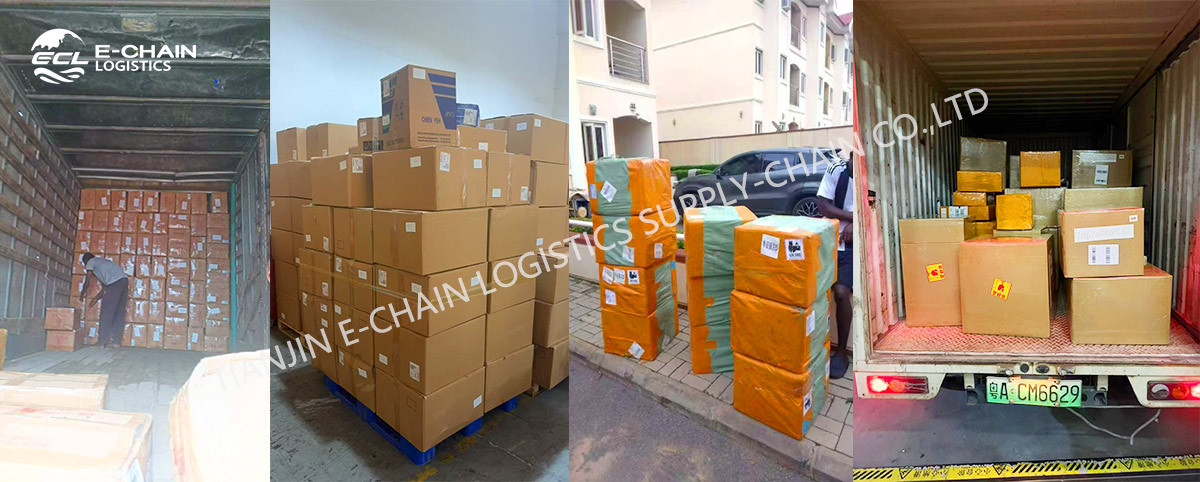
True door-to-door delivery; the consignee simply receives goods Cargo is not just delivered to Lagos seaport/airport. After customs clearance, goods will be transported overland to the final address in Abuja. Inland haulage and road checkpoint procedures in Nigeria are complicated and fully managed by the logistics provider. The Nigerian customer does not need to arrange port pickup or inland transport.
Comparison: Under CIF terms to Lagos port, the Nigerian buyer is fully responsible for SONCAP, Form M, PAAR, duty payment and inland delivery after vessel arrival. Many local buyers lack valid import licenses or sufficient SONCAP expertise. Failed clearance and cargo detention often lead to disputes between seller and buyer.
Breakdown of Full‑Process DDP Shipment for Spare Parts
Phase 1: Domestic Consolidation & Export
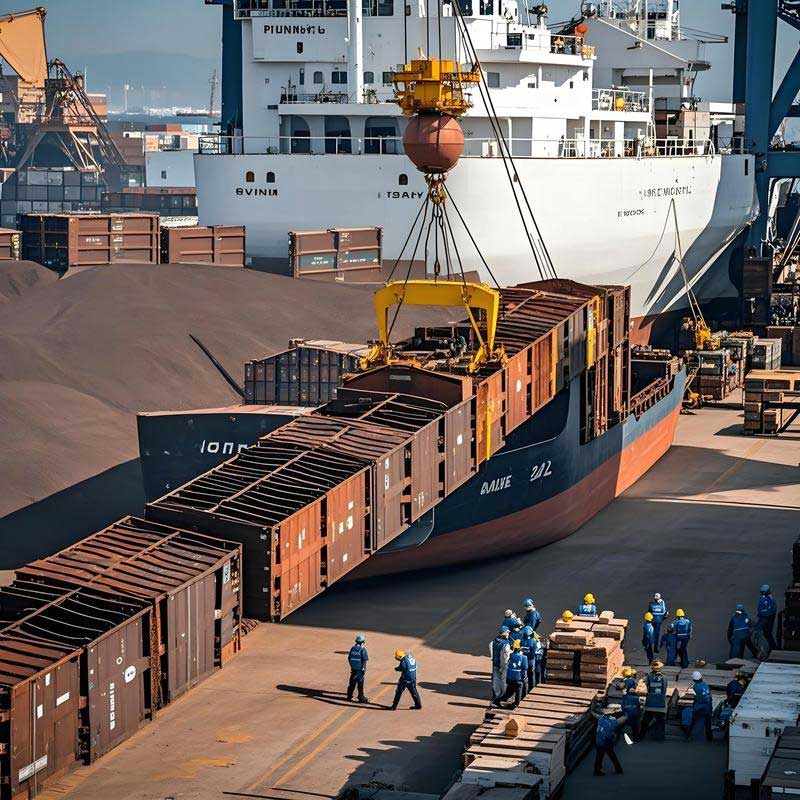
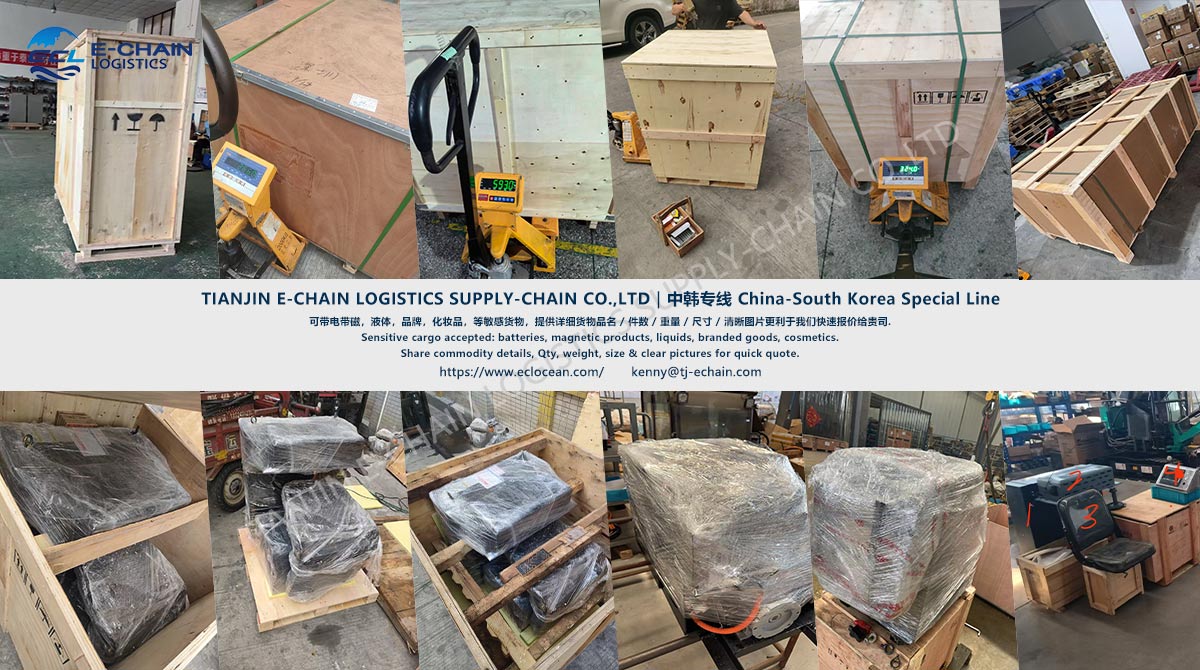
Spare parts are often sourced from multiple suppliers. The DDP freight forwarder provides cargo consolidation service, gathering spare parts from different factories into warehouses in Shenzhen, Guangzhou or Yiwu for unified inspection, packaging and booking. The forwarder handles China export customs declaration, which is normally filed under general trade mode.
Key documents: Commercial invoice, packing list and PC certificate information for SONCAP shall be prepared at this phase.
Phase 2: International Transportation
Sea Freight DDP (Recommended for large‑volume spare parts) Shipments depart from Shenzhen / Shanghai / Ningbo to Apapa Port or Tin Can Island Port in Lagos. Sea transit takes around 30‑45 days. With customs clearance and final delivery included, total door‑to‑door lead time is approximately 40‑65 days. Sea freight DDP rates generally range from USD 100‑450 per cubic meter, subject to service level.
Air Freight DDP (Recommended for urgent high‑value spare parts) Cargo flies out from major Chinese airports via transit hubs (Dubai / Addis Ababa / Nairobi) to Lagos LOS Airport. Pure air transit takes 5‑12 days, and total door‑to‑door lead time for air DDP stands at 8‑18 days. Air DDP rates start from around USD 12‑20 per kilogram (tax‑inclusive).
Phase 3: Nigerian Customs Clearance & Final Delivery
Prior to cargo arrival at port, the forwarder’s local Nigerian customs broker finishes pre‑clearance preparations. Core procedures include submitting the SONCAP SC certificate, activating PAAR, and paying import duties and VAT. After customs release, goods are de‑consolidated and delivered by local trucks to Lagos and surrounding cities. Remote destinations including Kano, Abuja and Port Harcourt are also covered.
Frequently Asked Questions
Q: How to choose between sea freight DDP and air freight DDP for machinery spare parts shipped to Nigeria?
A: Choose sea freight DDP for large-volume and non-urgent spare parts, as its unit cost is much lower than air freight. For high-value parts requiring urgent replenishment, opt for air freight DDP, which cuts the door-to-door lead time from over 50 days to around 10 days.
Q: How far in advance should SONCAP certification be prepared?
A: It is recommended to initiate the process at least 3–4 weeks prior to the planned shipment. PC certificate application, product testing and review take time. The SC certificate is applied based on the PC certificate and the final commercial invoice.
Q: What if the spare parts are inspected by Nigeria Customs?
A: Inspections will incur extra charges and lead to time delays. Tianjin E-Chain has cooperating local customs brokers and on-site teams in Lagos to follow up and handle inspections. It also maintains its own overseas warehouse and logistics fleet in Lagos to ensure immediate delivery of consignments once customs release is obtained.
For spare parts, whether automotive and motorcycle accessories, mechanical components or electronic components, Nigeria’s customs clearance system is notoriously complex. Sellers without local import qualifications and knowledge of the SONCAP certification process can hardly complete customs clearance on their own. The core value of the DDP model is to transfer customs risks and tax compliance obligations to a professional freight forwarder. You only need to confirm the final delivery address.
 English
 Arabic
 Chinese (Simplified)
 Dutch
Dutch French
 German
 Italian
 Portuguese
 Russian
 Spanish

 Suede leggings XL/BlueRemove 1 × $60.00 f
 Contrasting sheepskin... XL/BlueRemove 1 × $60.00
 Biker-style leggings XL/BlueRemove 1 × $60.00
 Contrasting sheepskin sweatshirt XL/BlueRemove 1 × $60.00