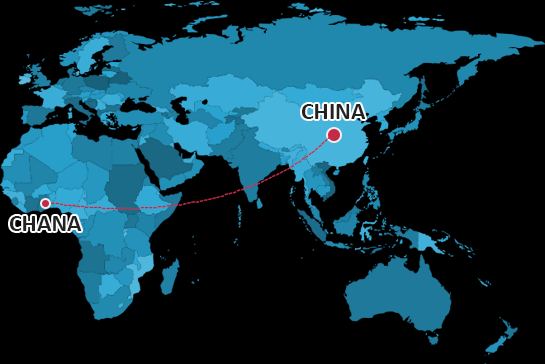
Measuring Tips
Bust
Measure around the fullest part of your bust.
Waist
Measure around the narrowest part of your torso.
Low Hip
With your feet together measure around the fullest part of your hips/rear.
Your cart will expire in 04:48 minutes! Please checkout now before your items sell out!
author
This Friday (January 9th), the U.S. Supreme Court will make a final ruling on the global tariff policies implemented during the Trump administration. This ruling is highly anticipated, especially given its profound impact on U.S.-China trade relations, and Chinese companies and related industries are closely watching.
If the tariffs are ruled illegal, US tariffs on China could be reduced by up to 20%, and companies can apply to the US Customs and Border Protection for refunds totaling hundreds of billions of dollars.
However, these tariff policies have been controversial since their inception. Both the US Court of International Trade and the Federal Circuit Court of Appeals ruled that the tariffs based on IEEPA “exceeded presidential authority” and violated the scope of congressional authorization. During oral arguments before the Supreme Court in November 2025, most justices also expressed skepticism about the government’s arguments.
According to market data predictions, the probability of Trump’s tariff policies being upheld is only 22%-30%, while the probability of them being completely overturned is as high as 70%-78%. Several research institutions also predict a high probability of the tariffs being overturned.
Currently, several US companies have already initiated legal action. Conservatively estimated, the total amount of refunds could exceed $100 billion. This will not only inject short-term cash flow into the US manufacturing and retail industries, but for Chinese exporters, some goods that were unsold or delayed in customs clearance in the US will be able to circulate again, and the speed of trade is expected to recover.
Although the Trump administration insists that its tariff policy is “justified,” Trump himself has rarely expressed concern on social media, stating that if the Supreme Court overturns the tariffs, it will “deal a heavy blow to American manufacturing.” This reflects that tariffs have become a political symbol ahead of the 2026 elections.
Government advisors have revealed that if the IEEPA measures fail, Trump may resort to Section 232 (national security tariffs) or Section 301 (unfair trade tariffs) to reimpose them. However, these mechanisms have long review periods, high evidentiary requirements, and limited scope. In the short term, the US will lose the administrative convenience of quickly imposing tariffs, and Chinese and American companies will have a brief strategic buffer period. Since the implementation of tariffs, inflationary pressure in the United States has remained high, with rising import prices driving up consumer spending. The government has been forced to announce temporary tariff exemptions for some key industries.
If the tariffs are overturned, the US CPI growth rate may significantly decline in the second quarter of 2026, and the trend of global supply chain “decoupling” will temporarily slow down. China’s export structure will also have room for recovery, cross-border e-commerce and manufacturing orders are expected to return, the RMB exchange rate may see a short-term rebound, and some Southeast Asian countries may face pressure from the short-term transfer of production capacity back to China.
Overall, the possibility of the US lowering tariffs on China is very high, and the final outcome depends on the Supreme Court’s ruling this Friday. Chinese companies and related industries need to closely monitor the ruling and prepare in advance to seize potential opportunities and promote their own development.
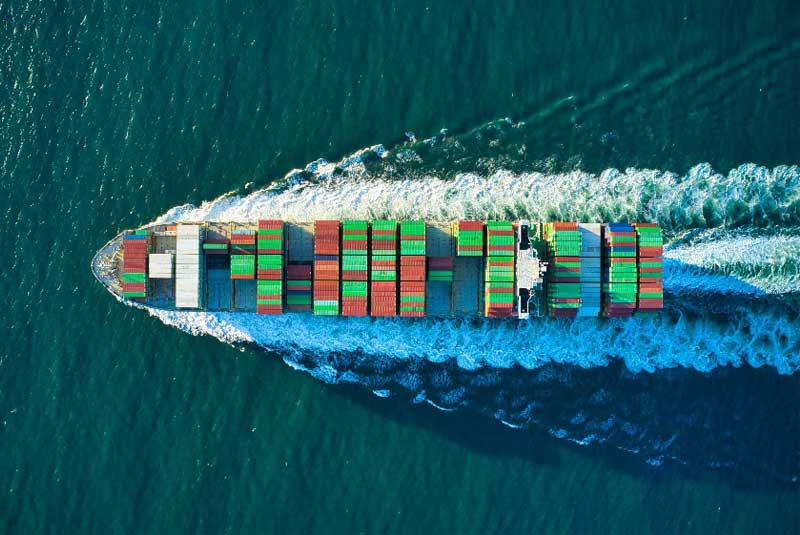
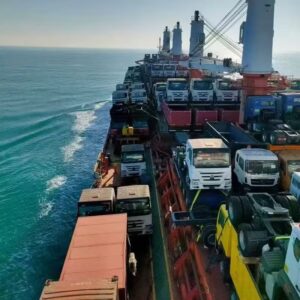
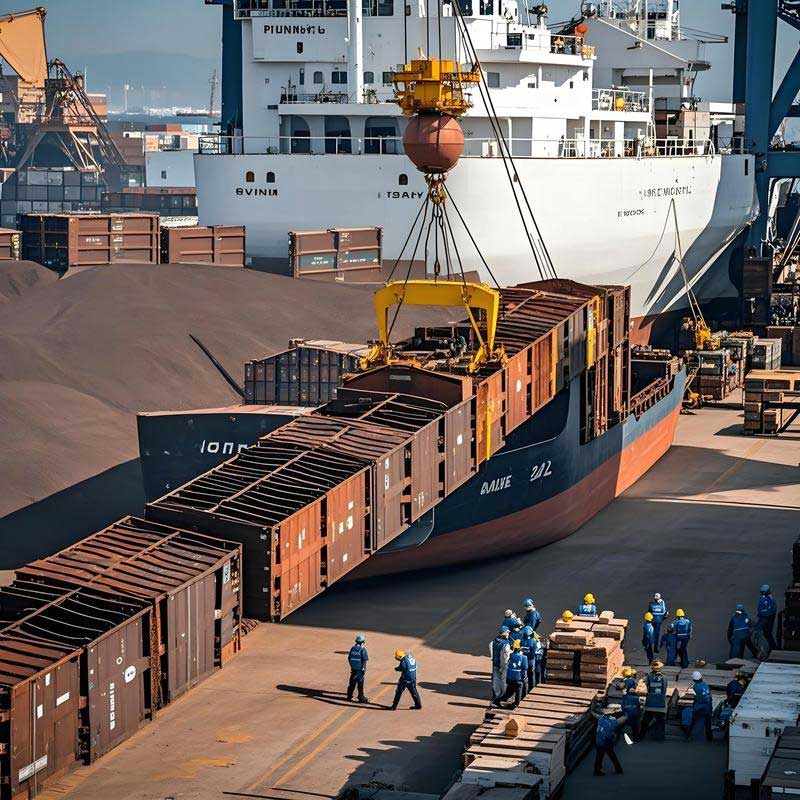
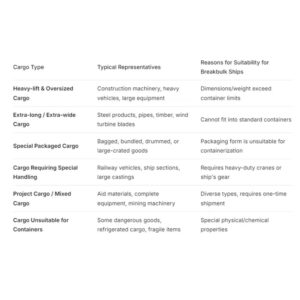
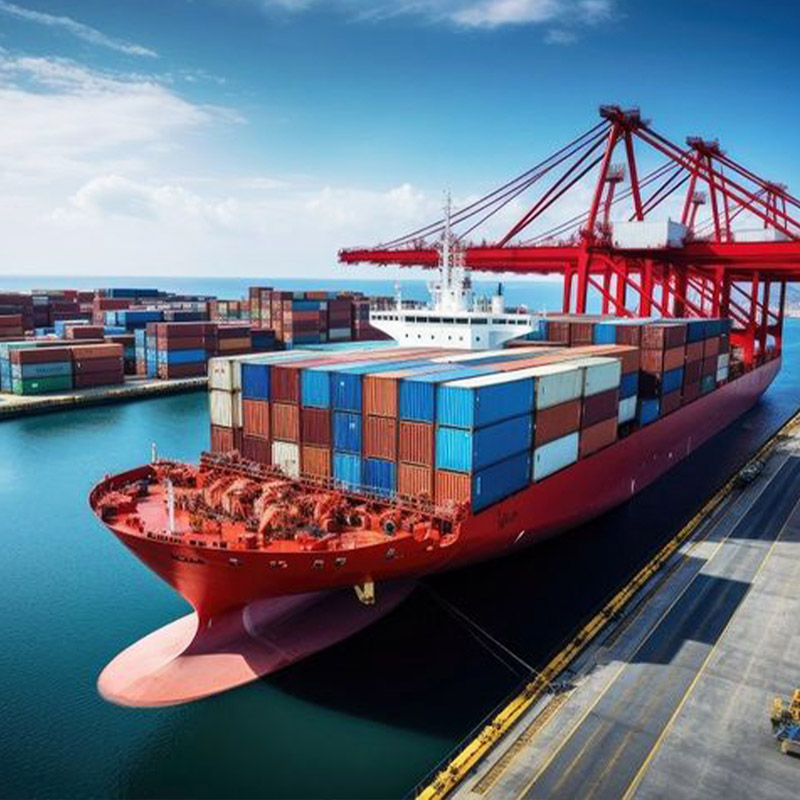
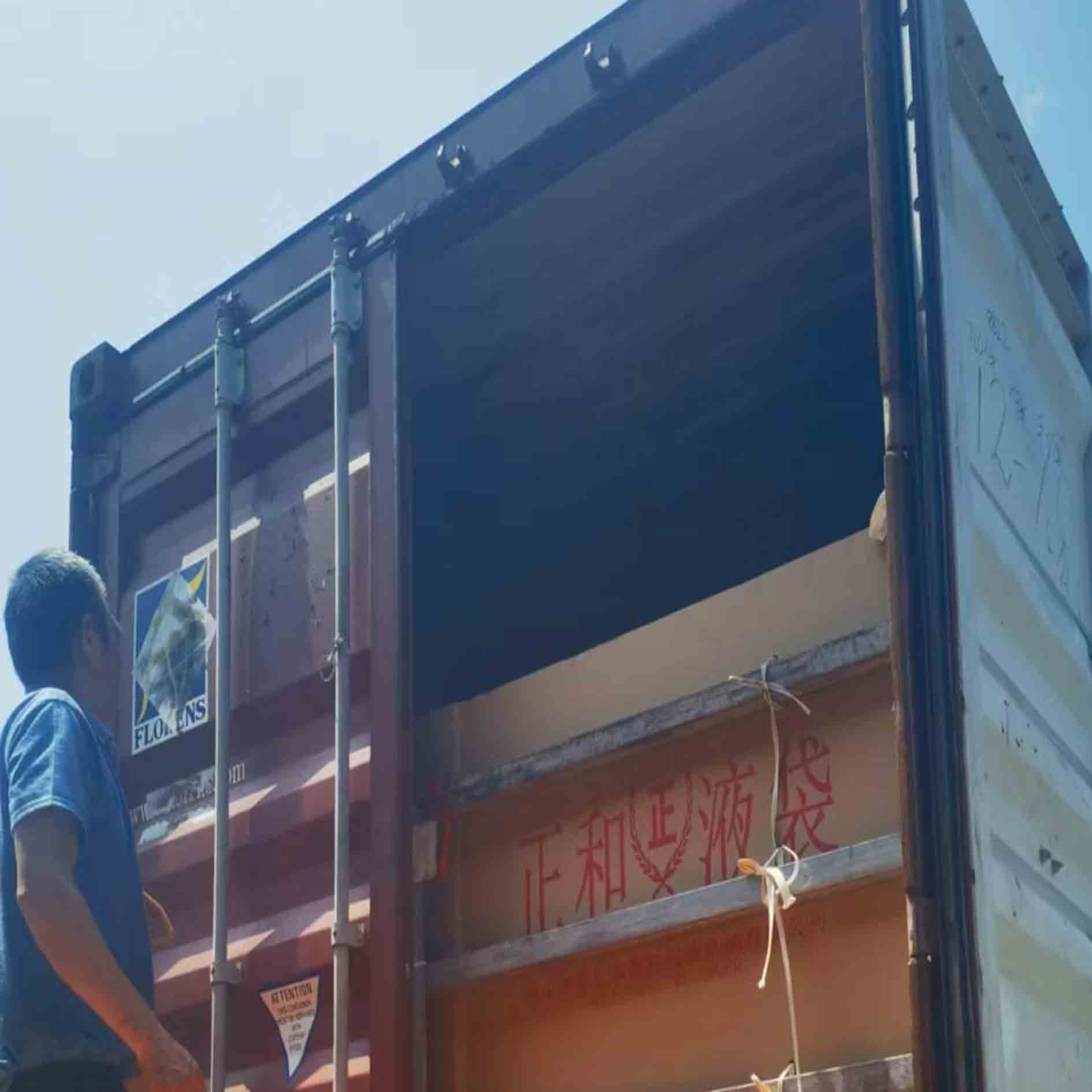
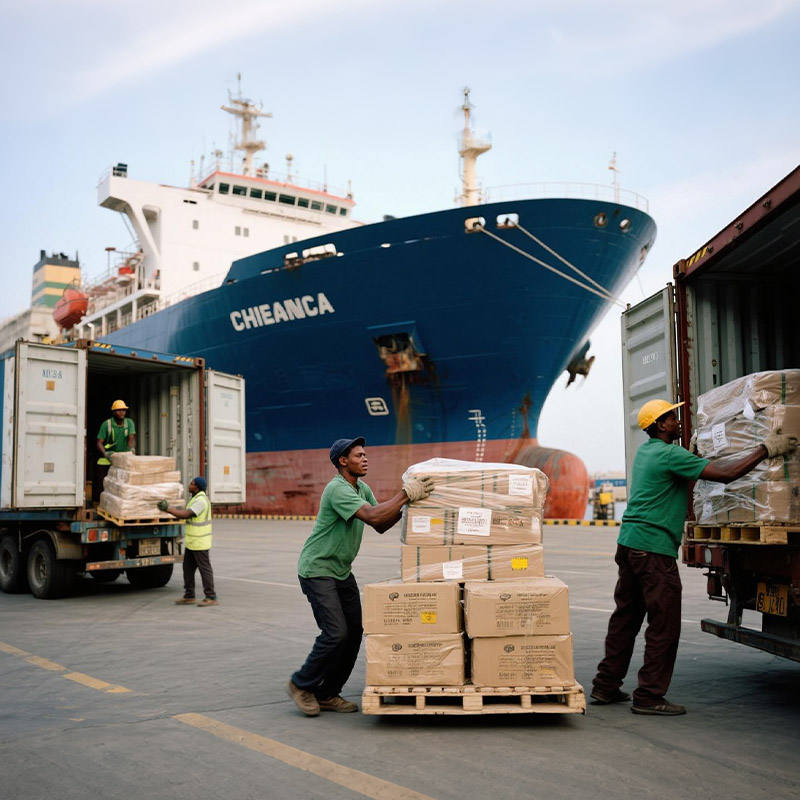
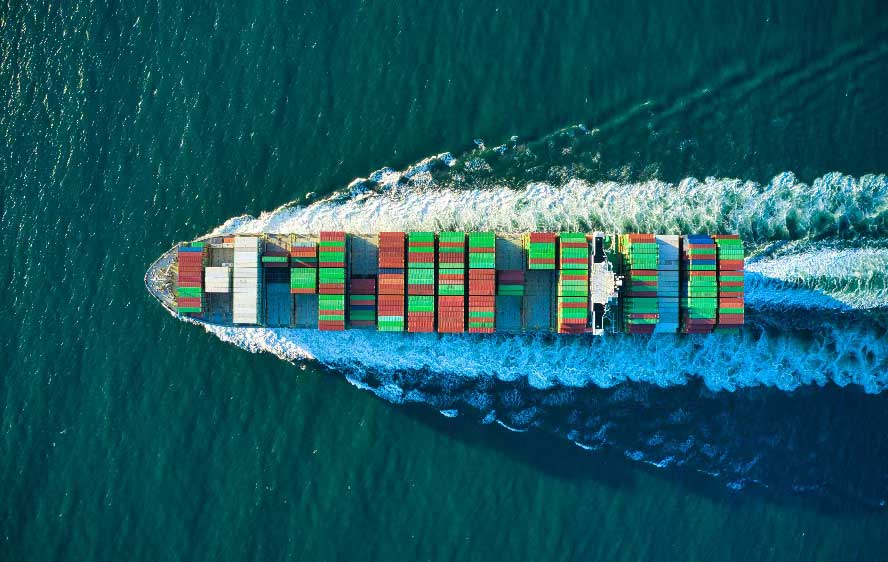
Whether to choose FCL (Full Container Load) or breakbulk vessels depends not on price, but on cargo dimensions, shape, value, and transit time. Cargo that can fit into containers is safer, more stable, and more convenient via FCL. For over-dimensional, oversized, or non-containerizable cargo, breakbulk shipping is the only option.

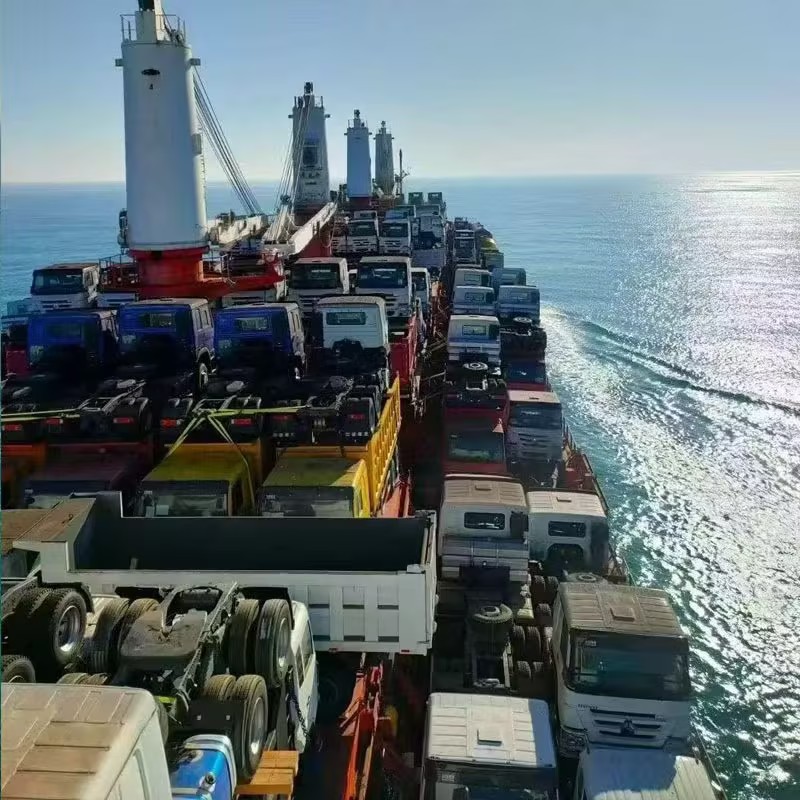
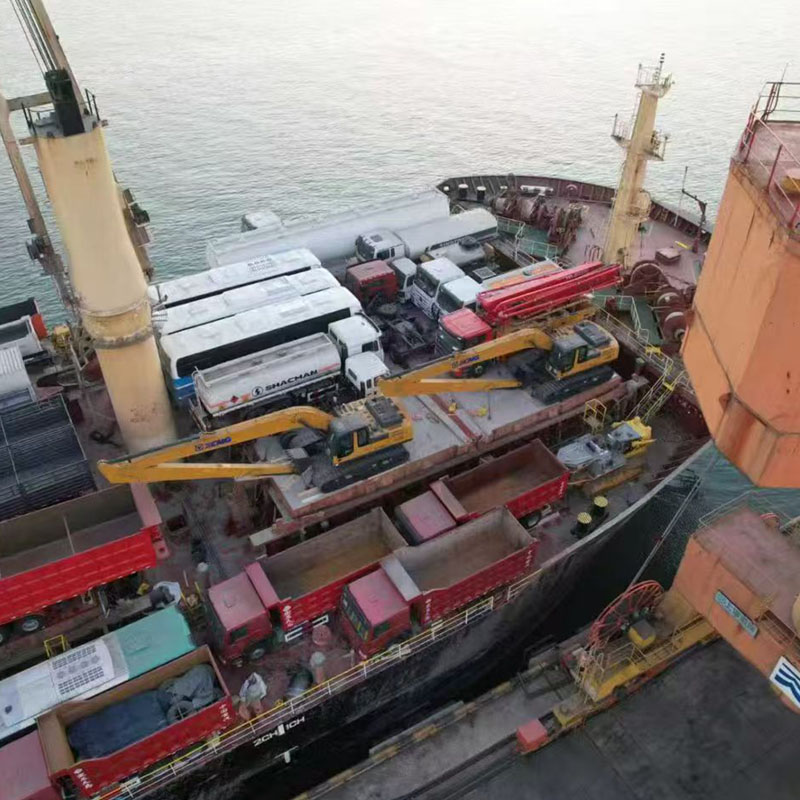
In Ro-Ro shipping, high and low deck space prices are the core factors determining the transportation costs of vehicles/construction machinery. Many shippers overpay for bookings because they are unclear about the distinction between high and low deck space and the pricing logic. Let’s explain clearly: what high/low deck space is, how much the price difference is, and how to choose the most cost-effective option.
When searching for the best freight forwarder in Australia for your business, it’s important to find a reliable expert who can provide you with the supply chain solutions you need. This way, you can leverage their expertise and more quickly grow your global presence.
In 2016, China was Australia’s second-largest two-way services trade partner. Two-way services trade between Australia and China was valued at US$1.39 billion. Over the past decade, two-way services trade has grown by an average of 10.8% annually, outperforming the 4.6% annual growth rate of Australia’s total services trade with the world. Since 1999, Australia has been a net exporter of services to China. This growth in services has been primarily driven by tourism, particularly education and other personal travel services. In 2016, China was Australia’s largest services export market and its ninth-largest source of services imports.
Freight forwarding is a booming industry in the Philippines. Domestic freight forwarding can be categorized into four categories: air freight, ocean freight, port-to-door, and door-to-door. In this blog post, we’ll highlight 10 of the best freight forwarding companies in the Philippines that have been operating for at least three years or are accredited by the Federal Motor Carrier Safety Administration (FMCSA).

Their service includes; world transport services, timely storage, and emergency logistical support.
Imported wedding dresses, furniture, and tires are among the main commodities exported by Chinese exporters to South Africa. China is shown exporting the following products: luggage manufacturers – products or parts from China: furniture and automotive electronic parts. Imported cars and other items from China to South Africa include furniture, construction materials, tires, and solar panels from China.
When we talk about shipping costs from China to the UK, it’s important to know that there are several possible ways to ship your package. All of them have different pricing, and some obviously take more time. First, let’s quickly introduce you to these methods.
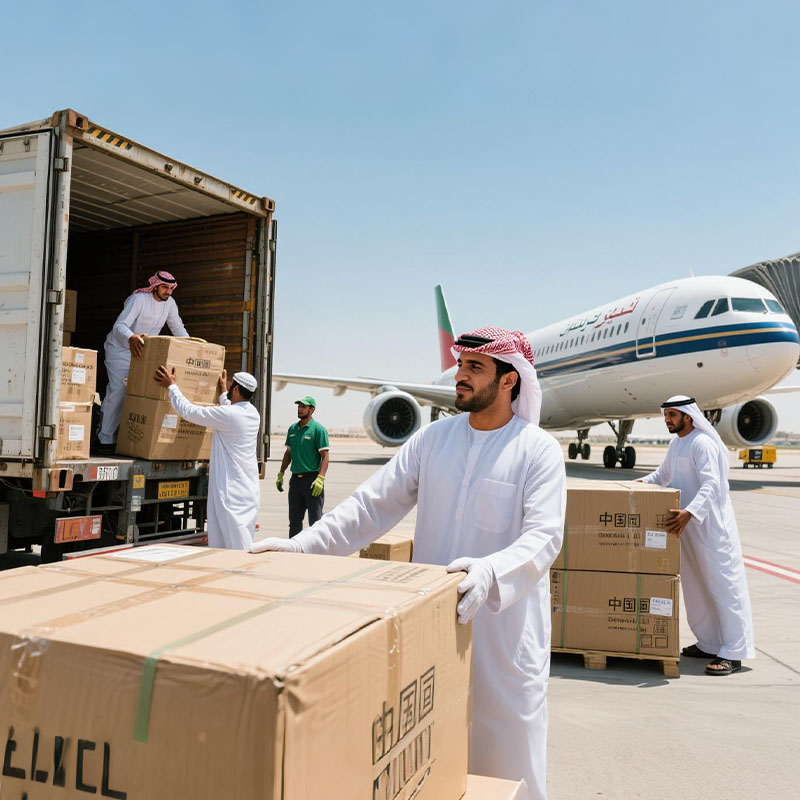
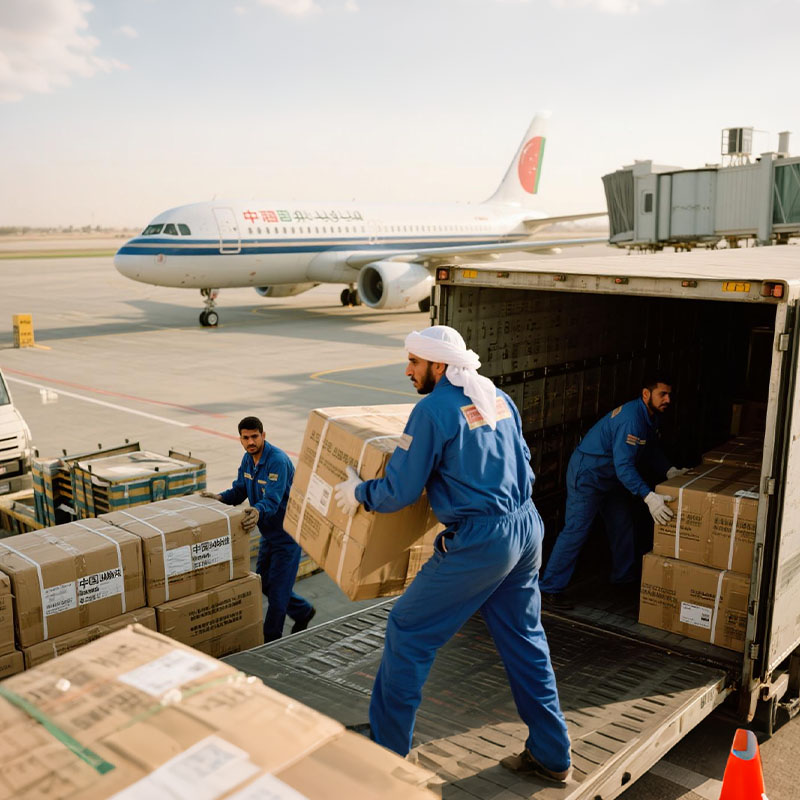
The best door-to-door shipping options from China to the UAE include express carriers like DHL, FedEx, and UPS, which offer faster shipping times. For larger shipments, ocean freight is more cost-effective. E-Chain Logistics offers DDP shipping services and offers daily container load services.
E-Chain Logistics has been committed to international freight forwarding from China to Canada since 2005. We provide one-stop sea and air freight logistics solutions from China to China at competitive prices for all importers and wholesalers in Oman .
Shipping goods from China to Qatar can be efficiently managed through express, air, sea, and door-to-door services. Each method has different costs and times, so choosing the right one depends on your specific needs.
If you’re planning to export goods from Saudi Arabia to China, you’ve come to the right place.
When importing from China, it can be difficult to find reliable shipping information. Below is your one-stop shop for everything you need to know about shipping from China to the United States. You ‘ll also learn about costs, customs prohibitions, and more!
When importing from China, it can be difficult to find reliable shipping information. This ultimate guide is your one-stop shop for everything you need to know about shipping goods from China to the United States. You’ll learn about costs, customs prohibitions, and more!
Naturally, the transit time of your shipment will be affected by the delivery method you choose. You must make a decision based on several factors. These include your budget, deadlines, and what will be most economical in the long run.
If you’re looking to import goods from China to Canada, you’ll want to read this guide.
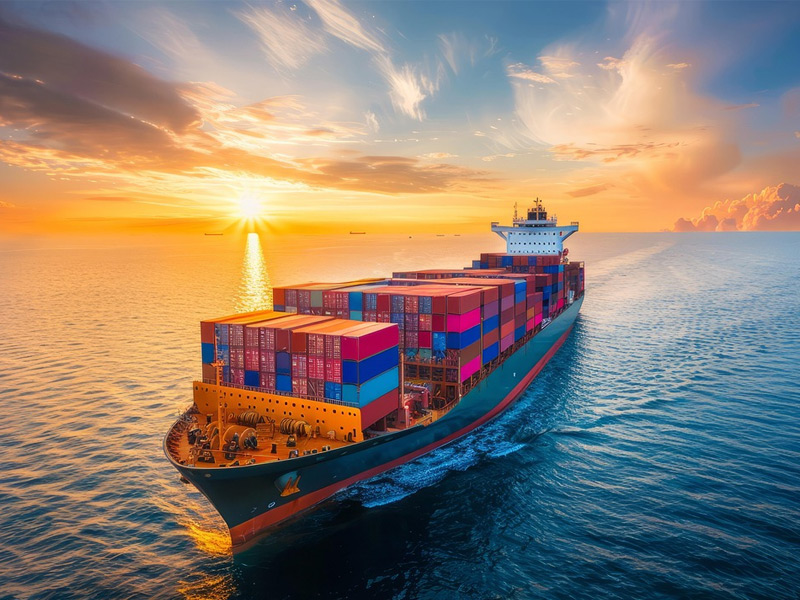
If you’re in the market for shipping freight overseas, then you need to be familiar with the different types of ocean and sea freight. On this page, we’ll discuss the different rates, quotes, and fees associated with ocean freight. We’ll also provide tips on how to get the best rates for your business!
Our main services include air and sea freight, express services, railways, trucks, container/vessel (FCL/LCL) DDP FBA shipping services, etc.
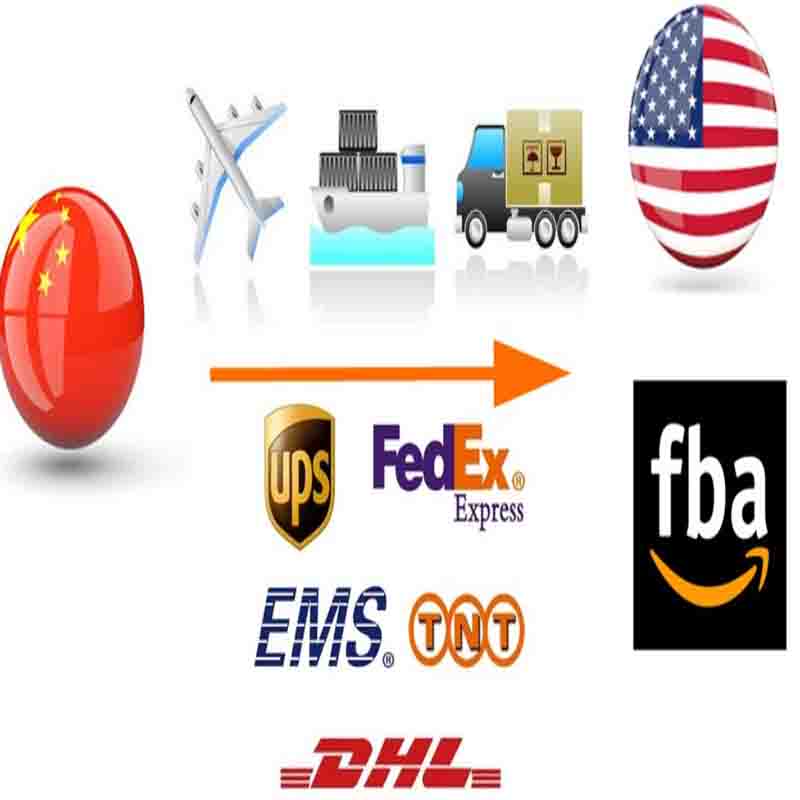
We offer express delivery services from China to all over the world, such as DHL International Shipping , FedEx , UPS , USPS International Shipping, DHL , TNT , EMS , Aramex , and for Amazon FBA as well. We always aim to provide you with professional, considerate and competitive services.
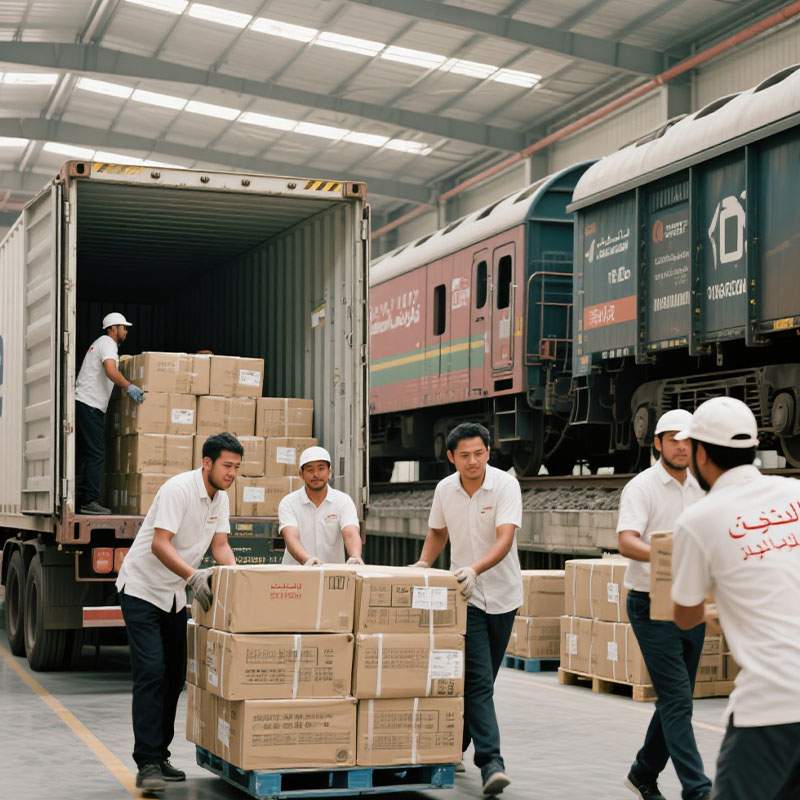
Door-to-door shipping is a service. Freight forwarders ensure that goods are picked up from a specific location and ultimately arrive at a specific destination via a city within the shipping area. Choosing the best method from E-Chain Logistics depends on what you need to ship, where you need to ship, the cost, and the shipping time.
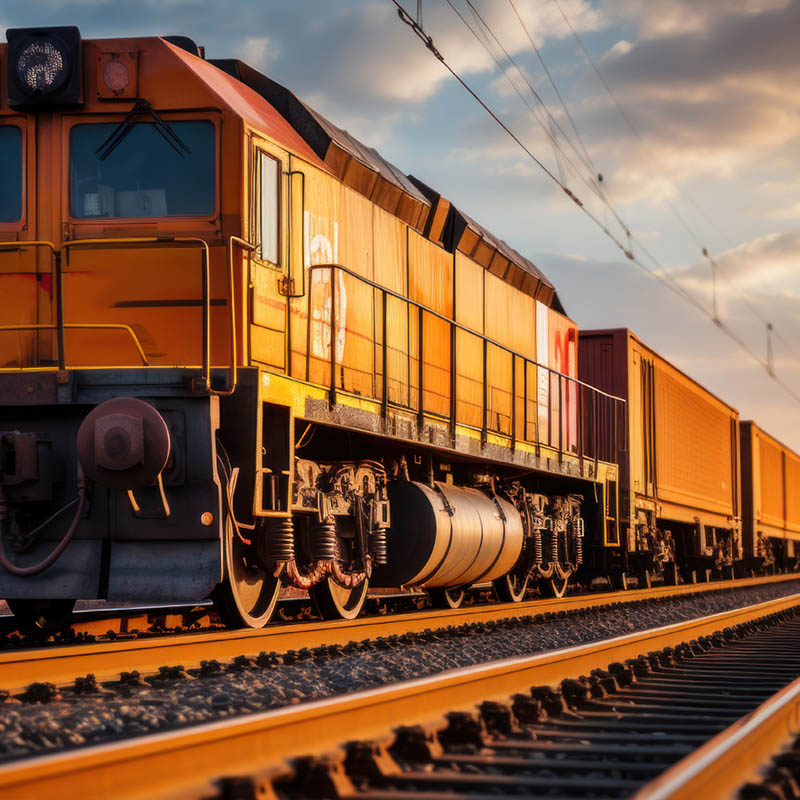
Rail transport is a popular method of transporting goods. Compared to traditional truckload shipping, it can save significant costs and is also better for the environment!
We ship your prepared products directly from our warehouse to Amazon warehouses anywhere in the world. We take care of the entire process for you, from preparing the documents and submitting the ISF before departure to customs clearance and paying port fees.
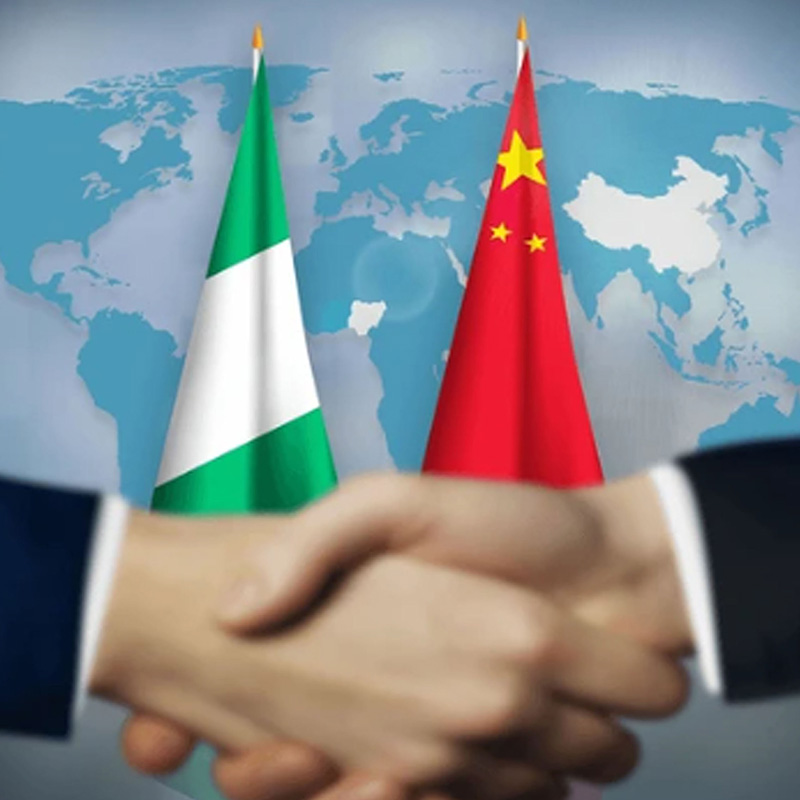
Sea freight / air freight small parcel shipping from China to Nigeria with DDP (Delivered Duty Paid) is currently the most hassle-free and standardized cross-border logistics solution. It requires almost no customs clearance, tax payment, or documentation work on your part — the whole process is ‘one-click shipment, just wait for delivery’.
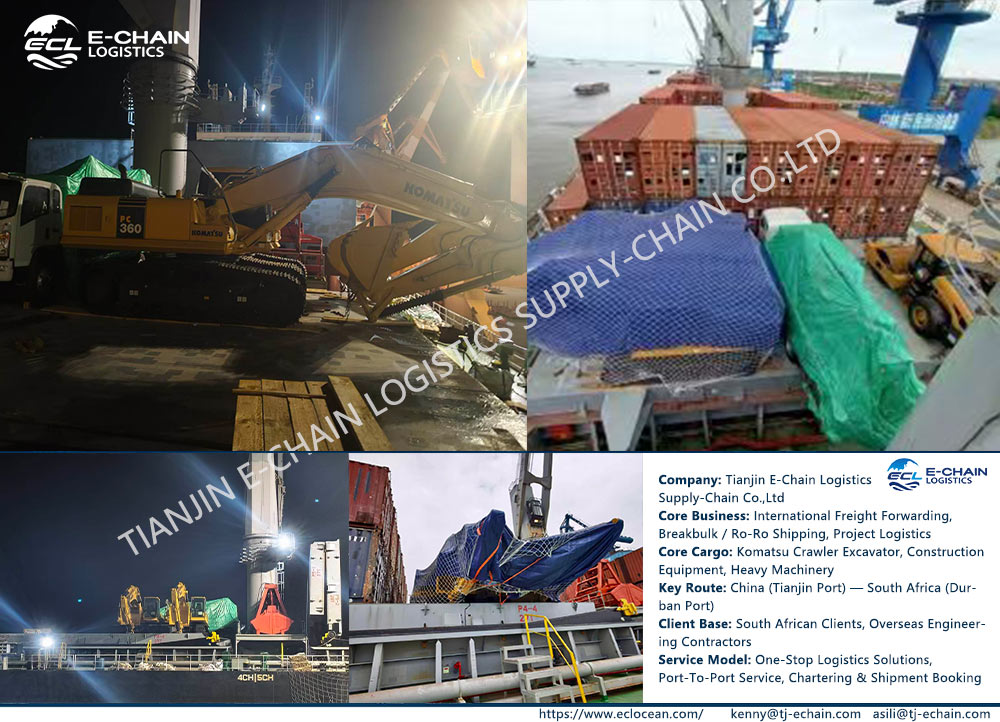
In the field of ocean transportation for heavy-lift cargo, whether to choose breakbulk vessels or flat rack containers is the core issue that most foreign trade practitioners and logistics professionals struggle with.Heavy-lift cargo is usually characterized by large volume, heavy weight and irregular shape, such as large mechanical equipment, engineering components, heavy equipment parts, etc.An inappropriate choice will not only increase transportation costs, but may also result in cargo damage, shipping delays, and even additional port and container detention charges.
For importers shipping to the United States and Canada, customs clearance compliance is the cornerstone of smooth logistics. A single mistake in documentation, tariff classification, or certification can lead to cargo detention, fines, or even permanent rejection. This comprehensive guide breaks down the latest requirements from U.S. CBP (Customs and Border Protection) and Canadian CBSA (Canada Border Services Agency), decodes CUSMA/USMCA rules, and provides actionable strategies to ensure compliance—helping you save time, reduce costs, and protect your business reputation.
Don't you have an account? Register.
Already have an account? Sign in.
| Size | US | Bust | Waist | Low Hip |
|---|---|---|---|---|
| XS | 2 | 32 | 24 - 25 | 33 - 34 |
| S | 4 | 34 - 35 | 26 - 27 | 35 - 26 |
| M | 6 | 36 - 37 | 28 - 29 | 38 - 40 |
| L | 8 | 38 - 29 | 30 - 31 | 42 - 44 |
| XL | 10 | 40 - 41 | 32 - 33 | 45 - 47 |
| XXL | 12 | 42 - 43 | 34 - 35 | 48 - 50 |
Measure around the fullest part of your bust.
Measure around the narrowest part of your torso.
With your feet together measure around the fullest part of your hips/rear.