Measuring Tips
Bust
Measure around the fullest part of your bust.
Waist
Measure around the narrowest part of your torso.
Low Hip
With your feet together measure around the fullest part of your hips/rear.
Your cart will expire in 04:48 minutes! Please checkout now before your items sell out!
author
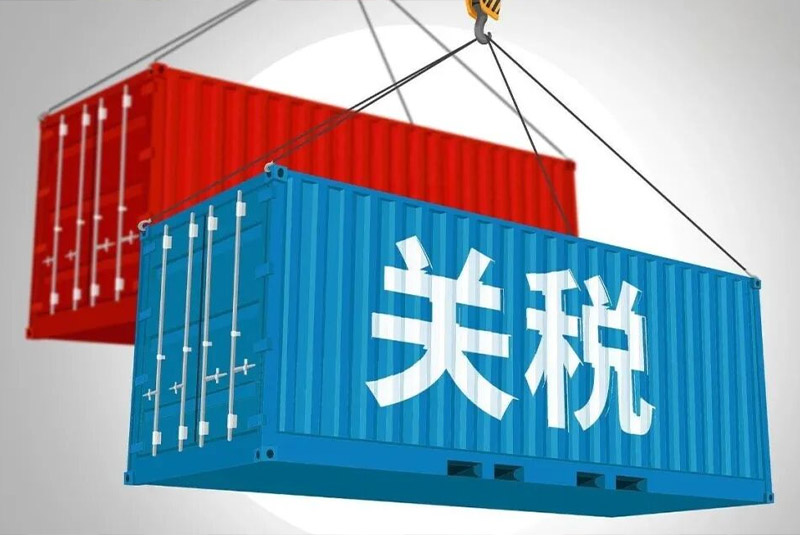
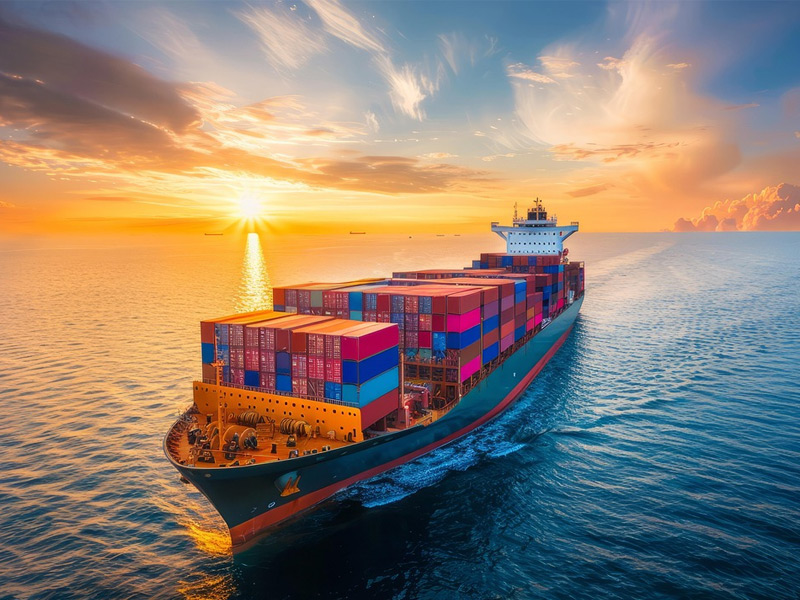
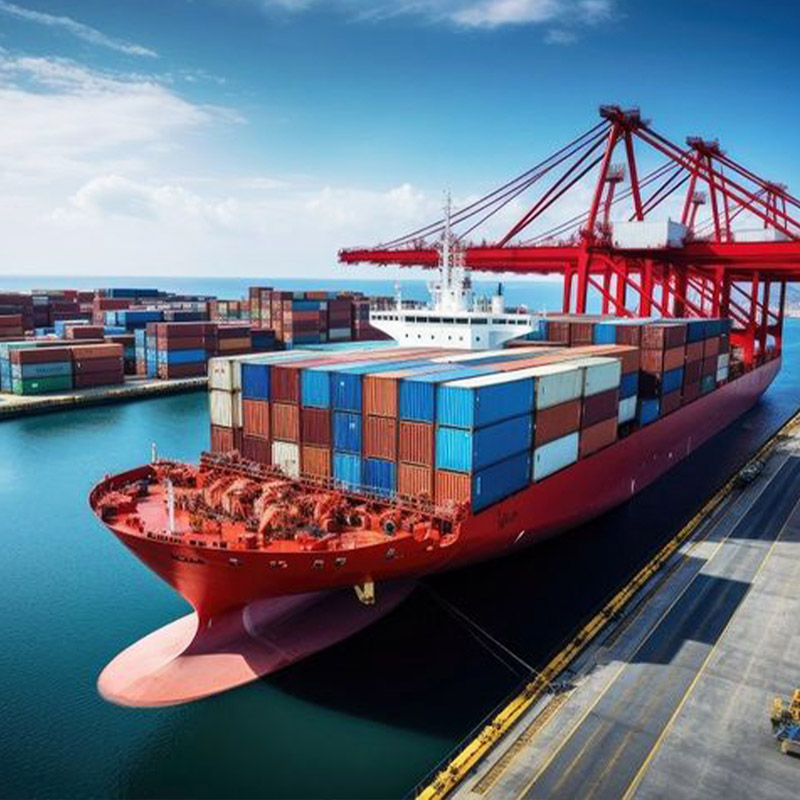
October 14, 2025, marked a landmark day for the shipping industry, as the two countries implemented a policy of levying exorbitant port fees on each other. This move triggered a chain reaction in the shipping market, with two Matsun Marine vessels being charged over 16 million yuan in “special port fees” at Chinese ports. Shipping giant Maersk also quickly adjusted, shifting some ships to circumvent the charges.
On October 14th, two container ships owned by Matson Marine, the MANUKAI and the MATSON WAIKIKI, called at the Port of Ningbo and the Port of Shanghai, respectively, becoming the first vessels to be charged after the reciprocal port fee policy between China and the United States came into effect.
The MANUKAI, with a capacity of 2,600 TEUs and a net tonnage of 11,149 tons, arrived at Ningbo Port on the morning of October 13th and docked on the morning of the 14th. The vessel is flagged, owned, and operated by the United States and built by Aker Philadelphia. This does not meet the exemption requirements for ships built by Chinese shipyards as stipulated in the “Implementation Measures for the Collection of Special Port Fees on U.S. Vessels” issued by the Ministry of Transport of China. Based on the “400 yuan per net ton” rate, the vessel must pay the full “Special Port Fee” of 4.4584 million yuan (approximately US$627,900), becoming the first vessel to be charged this fee at the Port of Ningbo.
Another vessel, the MATSON WAIKIKI, has a larger capacity, reaching 4,884 TEUs and a net tonnage of 30,224 tons. It was built by Daewoo-Mangalia. At 6:00 PM on October 14th, the vessel berthed at Shanghai Port and was assessed a one-time “special port fee” of 12.09 million yuan, also at a rate of 400 yuan per net ton. This made it the first US-bound vessel to pay this fee at Shanghai Port. The two fees totaled 16.54 million yuan, which Matson Shipping was required to pay in full.
On October 11th, three days before the new port fee regulations officially came into effect, Matson Shipping issued a customer notice stating that it had no plans to adjust its existing China-US express service schedules. It would continue to provide the fastest and most stable express service to the US for both China and the trans-Pacific market, and would not impose any additional surcharges on customers due to the special port fee. This decision reflects the strong profitability of the China-US route.
The 2024 financial report shows that the China-US route contributes over 70% of Matson’s profits. If it loses customers due to cost shifting or route adjustments, it is highly likely to lose market share to competitors such as Maersk and COSCO Shipping. From a financial perspective, based on current rates, Matson’s more than ten flagship vessels will incur additional costs of approximately 80 million yuan for the entire year. With a net profit of over US$300 million (approximately RMB 2.2 billion) in 2024, Matson is fully capable of self-absorbing these costs in the short term. This “profit-for-market” strategy has already shown initial success. In late October, Matson’s China-US route bookings increased by 12% month-over-month, outperforming the industry average (approximately 8%) for the same period.
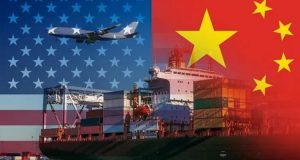
China’s policy of collecting “special port fees” from US vessels is not a one-size-fits-all approach. The fee applies to US-flagged vessels, US-built vessels, and any vessel owned or operated by an entity in which a US individual or entity directly or indirectly holds 25% or more of the equity, voting rights, or board seats. However, vessels built by Chinese shipyards are exempt.
Against this backdrop, Maersk and Hapag-Lloyd have suspended two of their US-flagged container ships from calling at Chinese ports after the special port fees took effect on October 14th. On October 14th, local time, Maersk issued a notice announcing temporary adjustments to its TP7 service.

The 6,435-TEU Potomac Express (IMO: 9349526) will skip Ningbo and instead unload at Busan, South Korea. Transit cargo will be transferred there to other vessels. Cargo bound for or transiting Ningbo will be unloaded in Busan and delivered to its final destination via other vessels. Cargo originally destined for the US from Ningbo on this vessel will be loaded onto the Maersk Luz (IMO: 9526904) and then transferred to the Potomac Express in Gwangyang on October 24.
The 6,200 TEU Maersk Kinloss (IMO: 9333022) will also cease calling at Ningbo Port. Its import cargo will be unloaded at a South Korean port and transshipped to Ningbo and other destinations via other vessels within the Maersk network. Cargo originally destined for the US from Ningbo will be loaded onto a connecting vessel and transshipped in South Korea, though the name of the vessel taking over has yet to be determined.
Maersk cited its “unwavering commitment to supporting customers in efficiently managing their supply chains,” but industry analysts believe the main reason for the change is that both vessels fly the US flag and would be subject to port fees if they called at Ningbo due to China’s announcement. Linerlytica, a shipping data analytics firm, estimates that carriers could incur up to $2.3 billion in port fees for calling at Chinese ports in the first year, a reduction from the previous $3.9 billion due to exemptions for Chinese-built ships. This amount is nearly double what Linerlytica estimates Chinese shipping companies will pay for calling at US ports.
Linerlytica estimates that Maersk’s port charges in China will be close to $400 million, while Mediterranean Shipping Company (MSC) will incur slightly less. US-listed Zim is expected to incur over $600 million, the highest among major shipping companies. The average cost per TEU for affected vessels will increase by approximately $300. Since the notification was only received last Friday, major liner companies had limited time to react, and freight rates are expected to rise in the short term.
If you’re in the market for shipping freight overseas, then you need to be familiar with the different types of ocean and sea freight. On this page, we’ll discuss the different rates, quotes, and fees associated with ocean freight. We’ll also provide tips on how to get the best rates for your business!
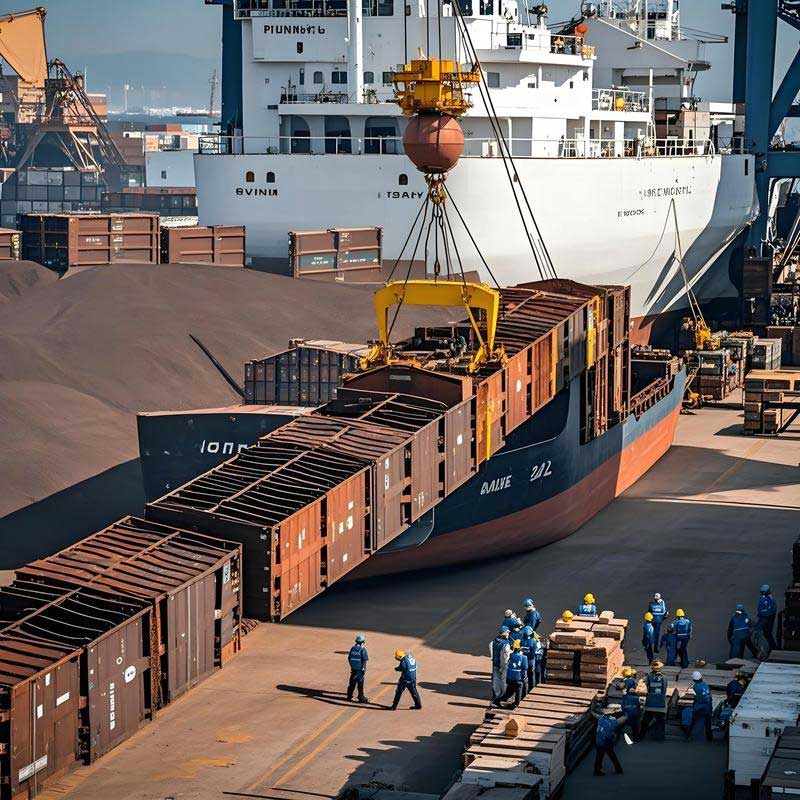
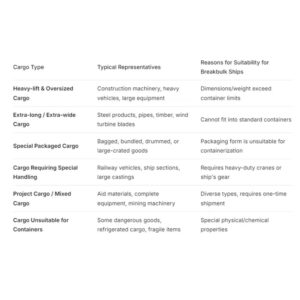
Whether to choose FCL (Full Container Load) or breakbulk vessels depends not on price, but on cargo dimensions, shape, value, and transit time. Cargo that can fit into containers is safer, more stable, and more convenient via FCL. For over-dimensional, oversized, or non-containerizable cargo, breakbulk shipping is the only option.

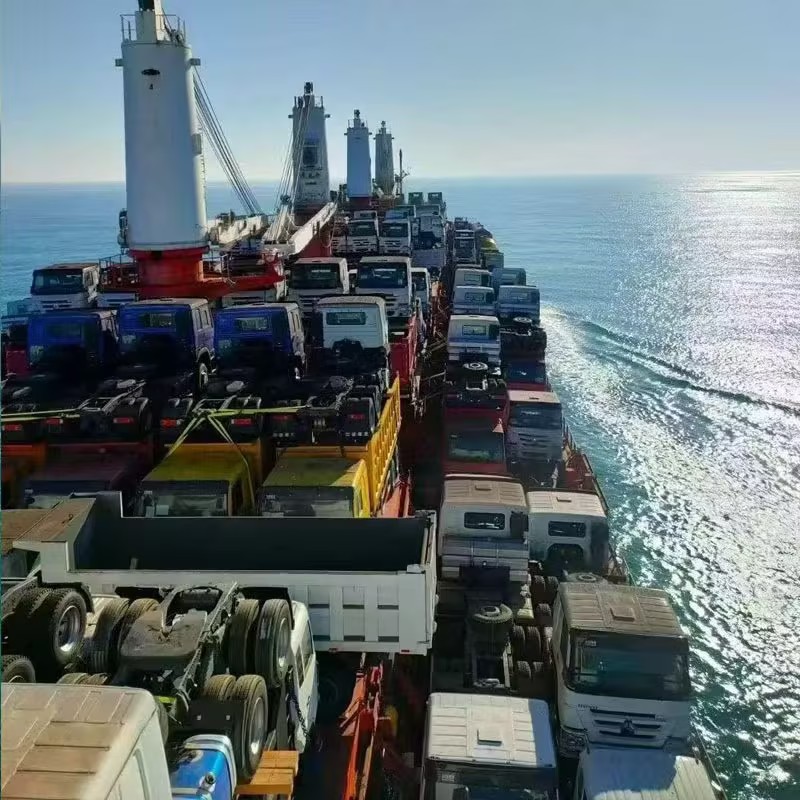
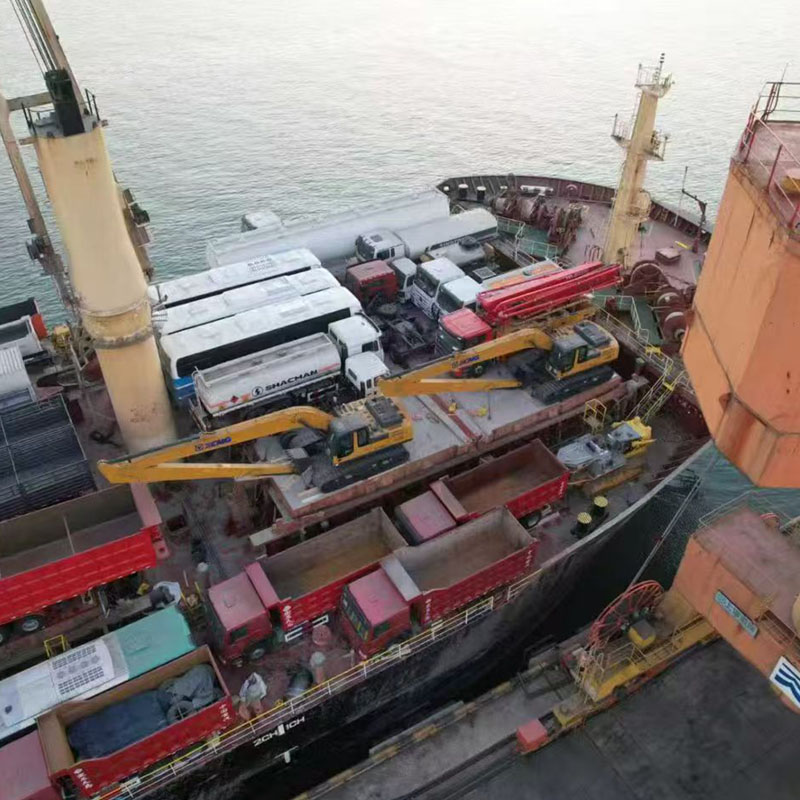
In Ro-Ro shipping, high and low deck space prices are the core factors determining the transportation costs of vehicles/construction machinery. Many shippers overpay for bookings because they are unclear about the distinction between high and low deck space and the pricing logic. Let’s explain clearly: what high/low deck space is, how much the price difference is, and how to choose the most cost-effective option.
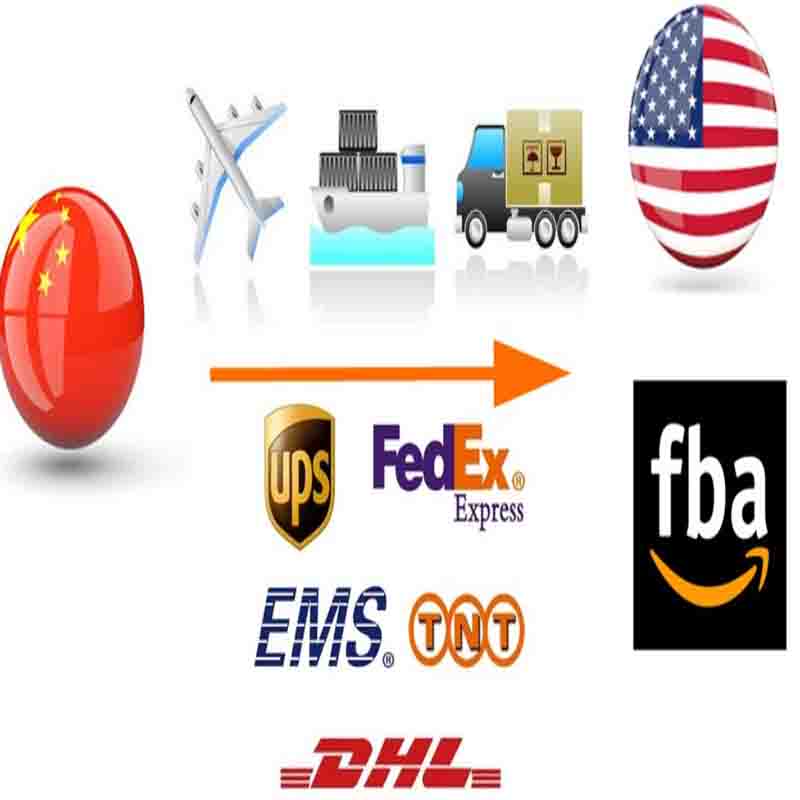
We offer express delivery services from China to all over the world, such as DHL International Shipping , FedEx , UPS , USPS International Shipping, DHL , TNT , EMS , Aramex , and for Amazon FBA as well. We always aim to provide you with professional, considerate and competitive services.
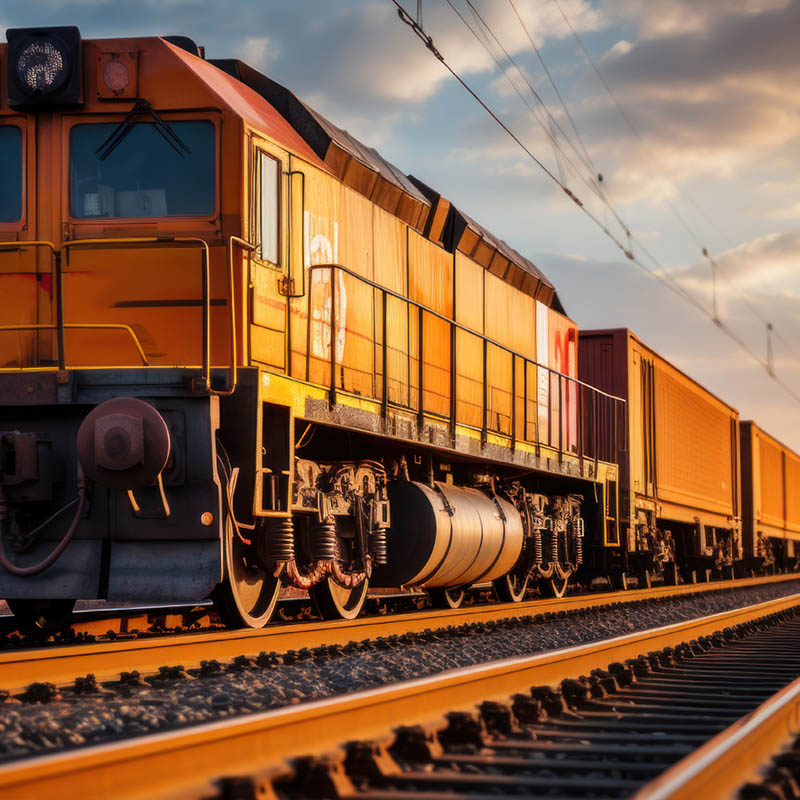
Rail transport is a popular method of transporting goods. Compared to traditional truckload shipping, it can save significant costs and is also better for the environment!
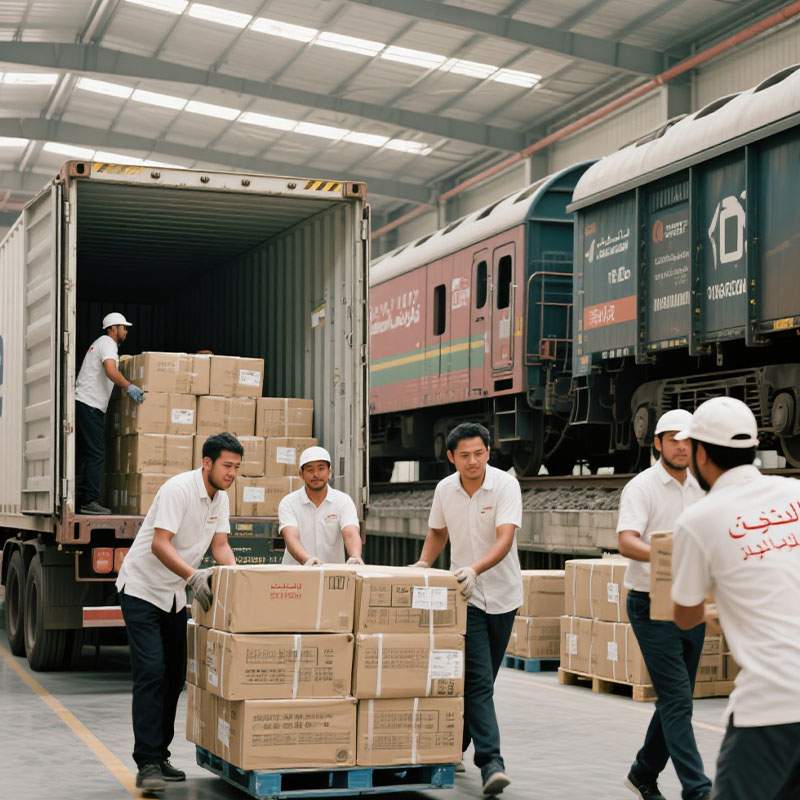
Door-to-door shipping is a service. Freight forwarders ensure that goods are picked up from a specific location and ultimately arrive at a specific destination via a city within the shipping area. Choosing the best method from E-Chain Logistics depends on what you need to ship, where you need to ship, the cost, and the shipping time.
We ship your prepared products directly from our warehouse to Amazon warehouses anywhere in the world. We take care of the entire process for you, from preparing the documents and submitting the ISF before departure to customs clearance and paying port fees.
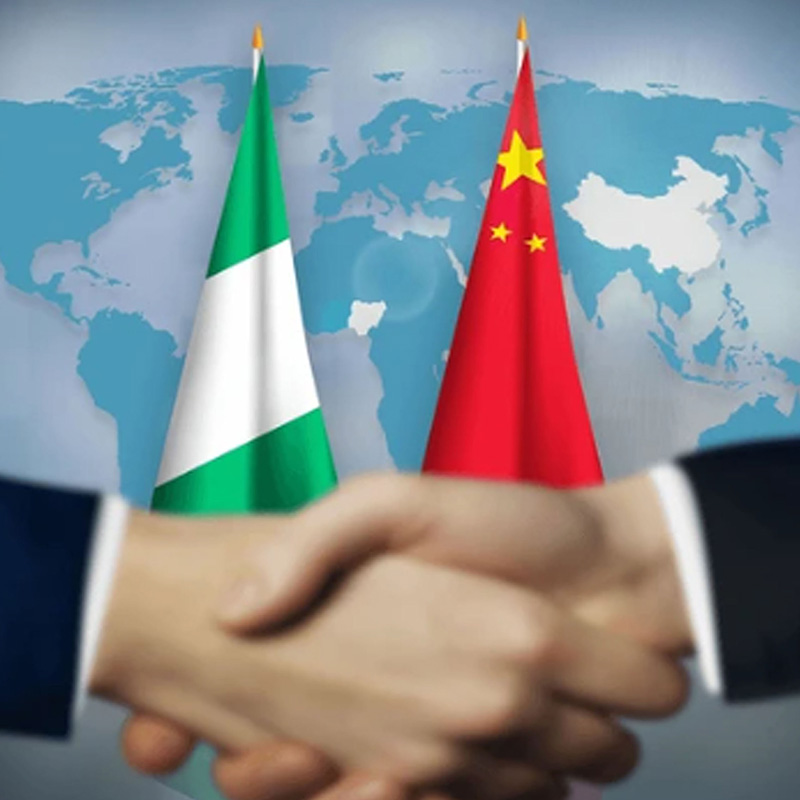
Nigeria is a strategic foothold for China’s expansion into the African market. The zero-tariff policy in 2026, combined with the benefits of bilateral cooperation, has created unprecedented opportunities for Chinese suppliers. From compliance certification to logistics and customs clearance, from product selection to risk control, only by accurately grasping market rules and cultivating a deep local presence can they gain a foothold in this blue ocean market of 229 million people.
If you’re planning to export goods from Saudi Arabia to China, you’ve come to the right place.
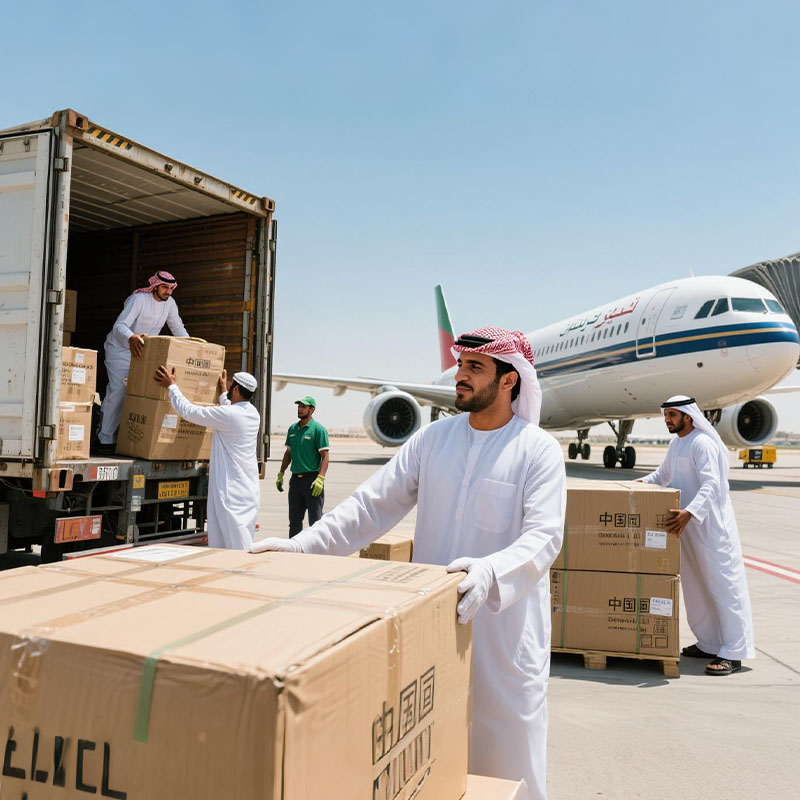
The best door-to-door shipping options from China to the UAE include express carriers like DHL, FedEx, and UPS, which offer faster shipping times. For larger shipments, ocean freight is more cost-effective. E-Chain Logistics offers DDP shipping services and offers daily container load services.
When importing from China, it can be difficult to find reliable shipping information. This ultimate guide is your one-stop shop for everything you need to know about shipping goods from China to the United States. You’ll learn about costs, customs prohibitions, and more!
As tensions continue to escalate in the Strait of Hormuz, traditional maritime shipping is trapped in a dilemma — either rerouting via the Cape of Good Hope (taking 55–65 days) or paying hefty war risk surcharges. Meanwhile, a Steel Silk Road stretching across Eurasia is quietly reshaping the logistics landscape of China-Iran trade.
Latest data as of May 2026 shows the China-Iran Railway has achieved regular operation with five weekly departures, reaching Tehran, Iran directly from Xi’an and Yiwu, China in just 15 days.

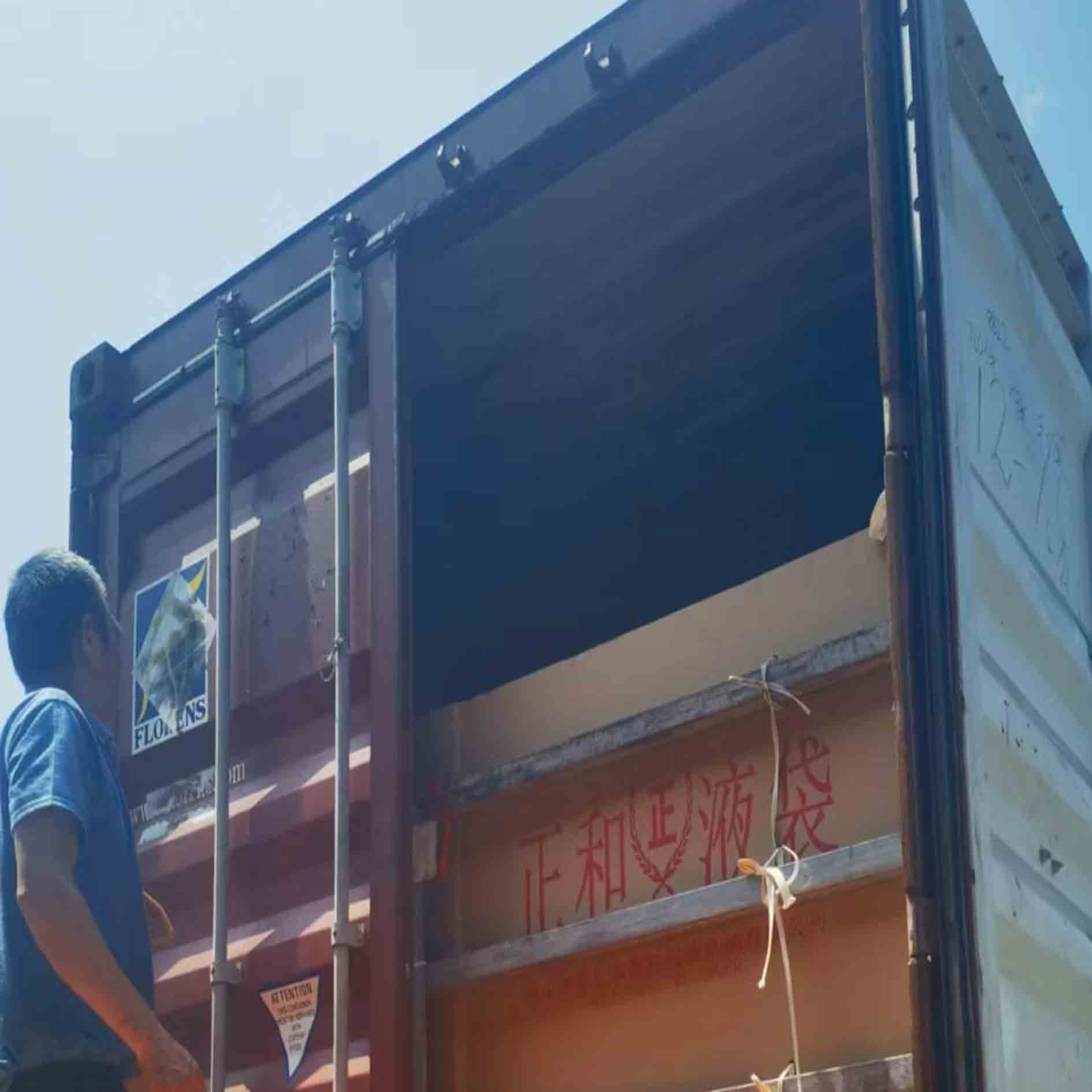
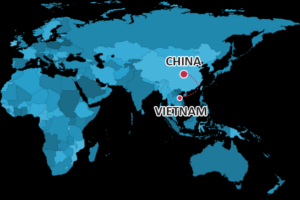
Vietnam is rapidly emerging as a new engine for manufacturing in Southeast Asia, driving sustained growth in demand for liquid chemicals across industries such as coatings, adhesives, textile auxiliaries, and industrial cleaners. Data shows that China’s chemical exports to Vietnam consistently rank among the highest, with liquid products (e.g., ethyl acetate, polyether, water-reducing agents, hydrogen peroxide, etc.) accounting for a growing share.
However, the transport of liquid chemicals presents three major challenges: high packaging costs, significant maritime risks, and stringent customs clearance requirements. How can cross-border transportation be both economical and efficient while ensuring safety? For most non-hazardous or low-risk liquid chemicals, the Flexitank is currently the most cost-effective solution for exports from China to Vietnam.
Naturally, the transit time of your shipment will be affected by the delivery method you choose. You must make a decision based on several factors. These include your budget, deadlines, and what will be most economical in the long run.
Their service includes; world transport services, timely storage, and emergency logistical support.
Freight forwarding is a booming industry in the Philippines. Domestic freight forwarding can be categorized into four categories: air freight, ocean freight, port-to-door, and door-to-door. In this blog post, we’ll highlight 10 of the best freight forwarding companies in the Philippines that have been operating for at least three years or are accredited by the Federal Motor Carrier Safety Administration (FMCSA).
When importing from China, it can be difficult to find reliable shipping information. Below is your one-stop shop for everything you need to know about shipping from China to the United States. You ‘ll also learn about costs, customs prohibitions, and more!
If you’re looking to import goods from China to Canada, you’ll want to read this guide.
E-Chain Logistics has been committed to international freight forwarding from China to Canada since 2005. We provide one-stop sea and air freight logistics solutions from China to China at competitive prices for all importers and wholesalers in Oman .
Imported wedding dresses, furniture, and tires are among the main commodities exported by Chinese exporters to South Africa. China is shown exporting the following products: luggage manufacturers – products or parts from China: furniture and automotive electronic parts. Imported cars and other items from China to South Africa include furniture, construction materials, tires, and solar panels from China.
In 2016, China was Australia’s second-largest two-way services trade partner. Two-way services trade between Australia and China was valued at US$1.39 billion. Over the past decade, two-way services trade has grown by an average of 10.8% annually, outperforming the 4.6% annual growth rate of Australia’s total services trade with the world. Since 1999, Australia has been a net exporter of services to China. This growth in services has been primarily driven by tourism, particularly education and other personal travel services. In 2016, China was Australia’s largest services export market and its ninth-largest source of services imports.
As a key trade hub in North Africa, Algeria has strong market demand for Chinese products including mechanical and electrical equipment, building materials, home supplies, textiles, auto parts and new energy products. Only by selecting stable and reliable shipping solutions, mastering customs clearance regulations and controlling logistics costs can your goods arrive efficiently, safely and in full compliance with local laws.
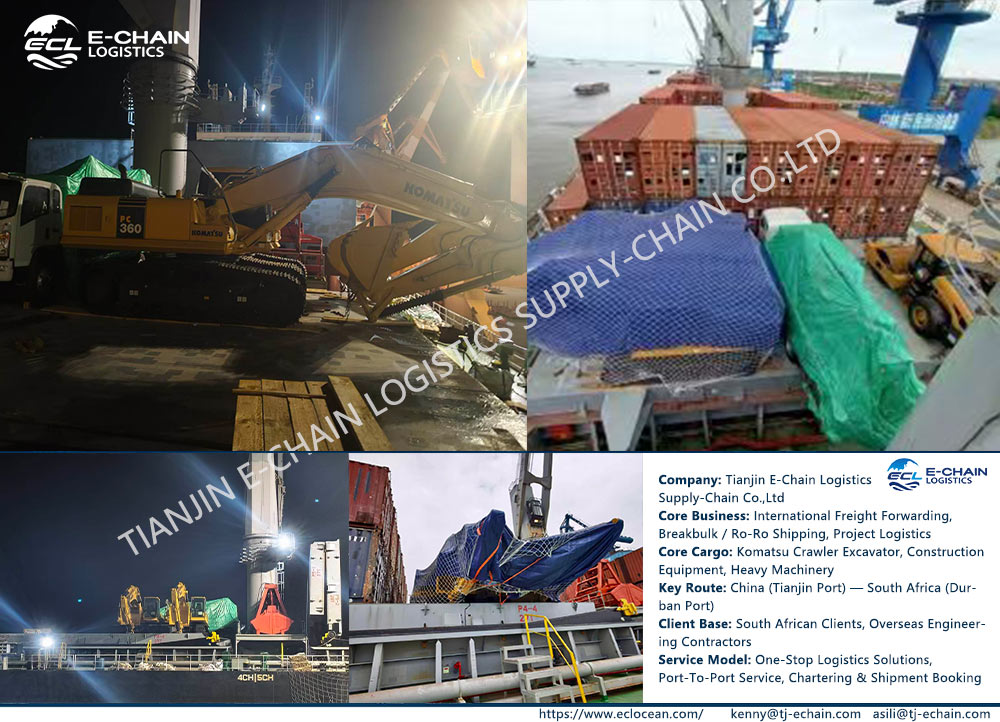
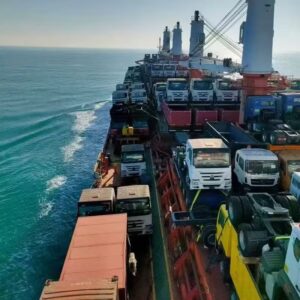
With the rapid development of China’s manufacturing industry, demand for heavy equipment such as construction machinery, mining equipment, cranes, excavators, bulldozers, tractors, and dump trucks continues to grow in the international market. An increasing number of overseas customers are importing equipment from China to benefit from higher cost efficiency and a more stable supply chain.
However, construction machinery and vehicles are characterized as oversized, overweight, and high-value cargo. Their transportation involves complex sea freight solution design, port handling, customs declaration, clearance procedures, and destination delivery. Therefore, professional supply chain companies are required to manage the entire process.
TIANJIN E-CHAIN LOGISTICS SUPPLY-CHAIN CO., LTD provides efficient, safe, and compliant international supply chain services, helping enterprises reduce transportation costs and improve delivery efficiency.
For buyers and importers planning shipments between China and Turkey, transit time is one of the most critical concerns. Actual delivery speed can vary significantly due to transportation choices, ports, customs, cargo type, and external conditions. Below is a complete breakdown of the key factors that influence logistics timeliness from China to Turkey.
CPSC + CBP Joint Rule: Starting July 8, 2026, eFiling is MANDATORY for all CPSC-regulated products before U.S. import. Non-compliance (no filing or incorrect data) will lead to detention, forced return, or fines.
South American e-commerce is booming! With over 200 million online shoppers in Brazil and Mexico craving products made in China, five major categories are seeing explosive sales growth: consumer electronics, home appliances, fashion apparel, beauty & personal care, and outdoor fitness gear. This article breaks down best-selling items, local consumer preferences, and market access rules to help Chinese sellers seize opportunities in the South American cross-border blue ocean and achieve explosive order growth.

Don't you have an account? Register.
Already have an account? Sign in.
| Size | US | Bust | Waist | Low Hip |
|---|---|---|---|---|
| XS | 2 | 32 | 24 - 25 | 33 - 34 |
| S | 4 | 34 - 35 | 26 - 27 | 35 - 26 |
| M | 6 | 36 - 37 | 28 - 29 | 38 - 40 |

| L | 8 | 38 - 29 | 30 - 31 | 42 - 44 |
| XL | 10 | 40 - 41 | 32 - 33 | 45 - 47 |
| XXL | 12 | 42 - 43 | 34 - 35 | 48 - 50 |
Measure around the fullest part of your bust.
Measure around the narrowest part of your torso.
With your feet together measure around the fullest part of your hips/rear.