Measuring Tips
Bust
Measure around the fullest part of your bust.
Waist
Measure around the narrowest part of your torso.
Low Hip
With your feet together measure around the fullest part of your hips/rear.
Your cart will expire in 04:48 minutes! Please checkout now before your items sell out!
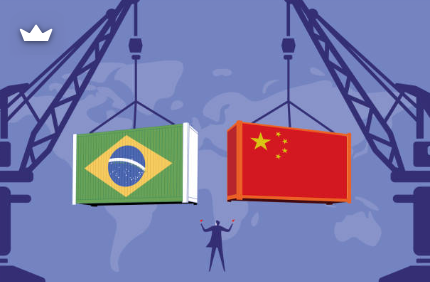
South American e-commerce is booming! With over 200 million online shoppers in Brazil and Mexico craving products made in China, five major categories are seeing explosive sales growth: consumer electronics, home appliances, fashion apparel, beauty & personal care, and outdoor fitness gear. This article breaks down best-selling items, local consumer preferences, and market access rules to help Chinese sellers seize opportunities in the South American cross-border blue ocean and achieve explosive order growth.

South America is one of the world’s fastest-growing cross-border e-commerce markets, with Brazil (210 million people) and Mexico (130 million people) as its core engines. Brazil’s e-commerce market reached $78 billion in 2025, while Mexico’s e-commerce penetration rate exceeds 60%. More than 60% of cross-border orders in both countries come from China.

Thanks to its unbeatable cost-performance ratio, full-category coverage, and fast product iteration, Made-in-China perfectly matches the demands of South American online shoppers. The following five categories continue to top the charts with outstanding sales performance!
1. Consumer Electronics & Accessories: Essential Bestsellers with High Repurchase Rates
Thanks to the rapid spread of mobile internet in South America and insufficient local production capacity, Chinese 3C products have firmly dominated the market with their “high specs at low prices,” making them the No. 1 cross-border best-selling category in Brazil and Mexico.
Brazil market: Smartphones (Redmi, realme – entry-level 5G models priced under RMB 1,000, capturing over 35% market share), Bluetooth headphones, TV sticks, and smart bands consistently top the sales charts. Educational tablets (with blue-light filtering and pre-installed Portuguese textbooks) hold over 30% market share. Demand for gaming peripherals and game controllers is surging.
Mexico market: Phone cases (featuring football motifs/local cultural designs), 10,000mAh portable power banks, and in-ear earphones are entry-level bestsellers. The “Digital Infrastructure Plan” has sparked a procurement boom for entry-level laptops (priced between $150–$300). Smartwatches (with heart-rate monitoring) see a repurchase rate of over 50% among young users.
Key to success: Compatibility with both 110V/220V voltages, pre-installed Spanish/Portuguese operating systems, and obtaining local certifications (INMETRO in Brazil, NOM in Mexico).
2. Home & Small Appliances: High-Frequency Essentials Covering All Household Needs
With strong family values in South America, “home improvement and enhancing quality of life” has become a key consumer trend. Home appliance manufacturing hubs in Shunde and Qingdao, China, are capturing the market with energy-efficient, well-adapted, and cost-effective products, achieving annual growth of over 18%.
Brazil market: Large-capacity refrigerators (500L+ multi-door), smart air conditioners (adapted to tropical climates), air fryers, juicers, and kitchen storage racks are essential needs. Floor cleaning equipment and handheld vacuum cleaners see surging sales during Prime Day.
Mexico market: Evaporative air coolers, tower fans, compact blenders, electric cooking pots, smart door locks, and solar lights are selling well. The free shipping threshold is 299 pesos, and “2-piece combo packs” help increase average order value.
Key to success: INMETRO certification required in Brazil; 127V voltage compatibility in Mexico. Focus on “energy efficiency + durability + adaptability to local home layouts.”
3. Fashion Apparel & Accessories: Value for Money Drives Trend Adoption
South American consumers are outgoing and socially active, with strong demand for brightly colored, Western-style, and cost-effective apparel and accessories. China’s “small orders, fast turnaround” supply chain model precisely aligns with the region’s fast-changing fashion trends.
Brazil market: Sportswear, women’s clothing (sleepwear accounts for 65% of women’s apparel sales, with a strong preference for high-stretch, vibrant fabrics), soccer merchandise (fan jerseys, scarves), backpacks, and flip-flops are top sellers. Demand for plus-size clothing and bold accessories is surging.
Mexico market: Athleisure wear, denim clothing, women’s bags, fashion footwear (flats, sneakers), and Western-style jewelry (minimalist/vintage designs) lead in sales. Hair accessories featuring bold, personalized, and vibrant colors are particularly popular.
Key to success: Starting in 2026, Mexico will impose additional tariffs of 10%–35% on textile and apparel imports. These can be mitigated through the PROSEC program (low tariff rates for production inputs) or Regla Octava special permits. In Brazil, sellers should be aware of the risk of anti-dumping investigations.
4. Beauty & Personal Care: Essential, High-Frequency Products Adapted to South America’s Climate
Due to the high temperatures and humidity in South America, “oil control, waterproofing, and strong sun protection” are the core demands in the beauty and personal care category. Chinese products are capturing market share with affordable pricing, well-adapted formulas, and a wide variety. Small, lightweight items benefit from low logistics costs and high repurchase rates.
Brazil market: Waterproof and sweat-proof makeup (8h+ wear matte foundation, caramel lip gloss, sweat-resistant brow gel), SPF50+ high-protection sunscreen, oil-control facial cleansers, nourishing hair masks for curly hair, and anti-frizz hair serums are top sellers. Products priced between 30–80 RMB offer the best value and are the most popular.
Mexico market: There is strong demand for affordable makeup (lip gloss, hair serums), sunscreen sprays, body lotions, perfumes (light scents), and manicure sets. Products featuring “Western style + long-lasting wear + high hydration” best match local aesthetic preferences.
Key to success: ANVISA certification is required in Brazil, and COFEPRIS certification is required in Mexico. Formulas must be adapted to high-temperature, high-humidity conditions.
5. Outdoor Fitness & Auto Parts: Blue Ocean Opportunities with Surging Demand for Specific Scenarios
South Americans have a strong passion for outdoor activities and home fitness, along with high car ownership rates. Chinese outdoor fitness equipment and auto parts are rapidly emerging as a new cross-border blue ocean, driven by their durability, low prices, and compatibility with local vehicle models.
Brazil market: Home fitness equipment (spin bikes, treadmills, mini exercise bikes), outdoor camping gear (folding tables and chairs, camping lights, tents), and fishing tackle are top sellers. The weekend family outing culture drives strong demand for outdoor supplies, with orders often reaching thousands of units.
Mexico market: Demand is growing rapidly for auto and motorcycle parts (tires, interior accessories, motorcycle components), outdoor cycling gear, soccer training equipment, and compact home fitness devices. The World Cup has sparked a surge in orders for fan sports merchandise.
Key to success: Auto parts face tariffs of 20%–50% in Mexico, but lower rates may be available through the PROSEC program. In Brazil, sellers should pay attention to electric vehicle tariff policies (reaching 35% by July 2026).
1. Brazil: In 2026, tariffs of 7.2%–20% will be imposed on 1,252 product categories, with industrial components exempted (zero tariff). INMETRO and ANVISA certifications are required. Customs documentation must be translated into Portuguese.
2. Mexico: Starting in 2026, 5%–50% tariffs will apply to over 1,400 Chinese product categories, with textiles, home appliances, and toys heavily affected. Lower or zero tariffs may be available through PROSEC (for production inputs) or Regla Octava (for products with no local production capacity). NOM certification is required.
The demand among South American “shopaholics” continues to surge, and the value-for-money advantage and supply chain strength of Chinese-made products remain unmatched. By choosing the right products from the five major categories above and ensuring compliance with certifications and tariff regulations, you can quickly seize the blue ocean opportunities in the Brazilian and Mexican markets and achieve explosive sales growth!
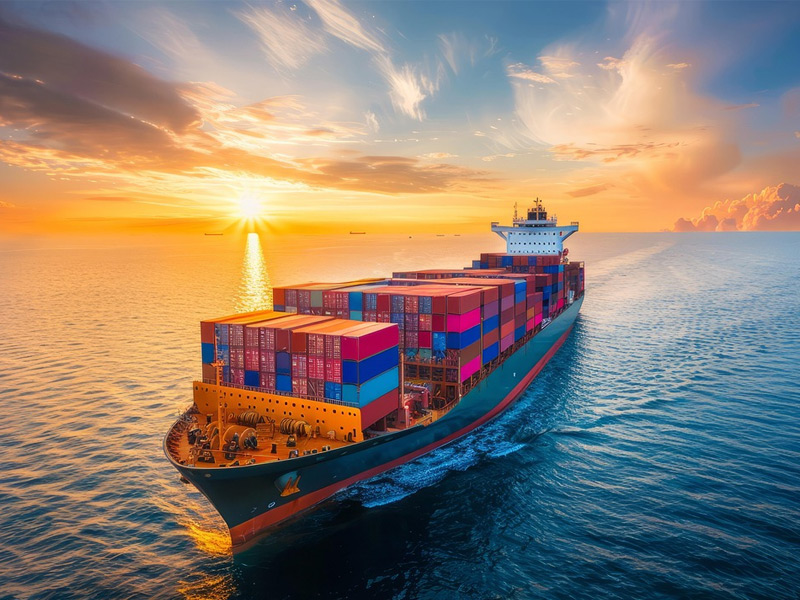
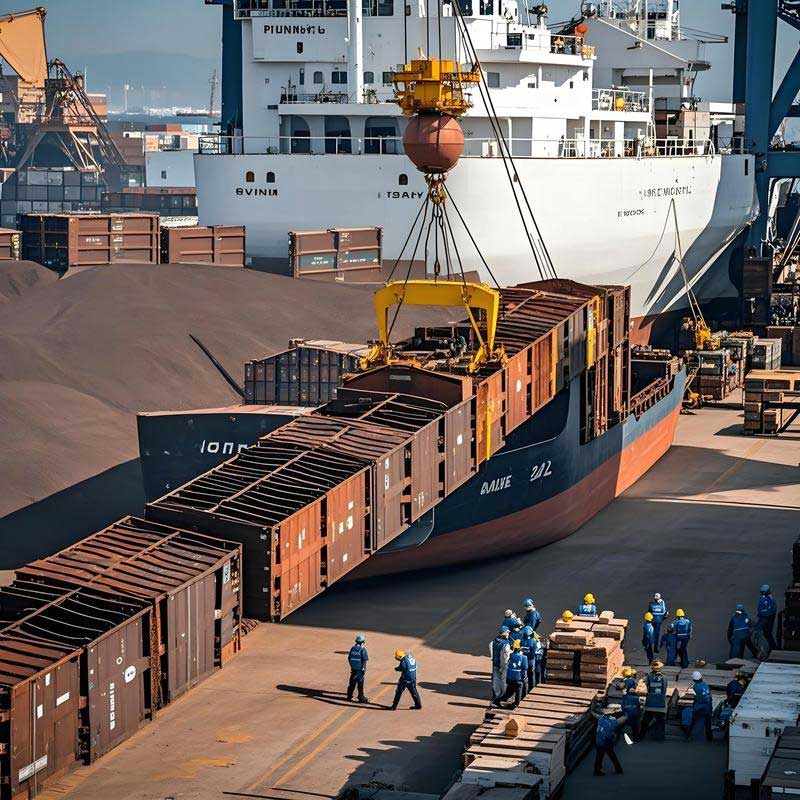
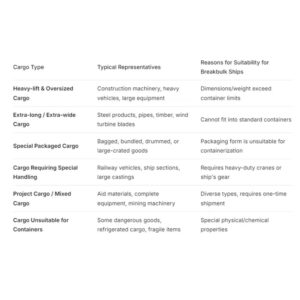
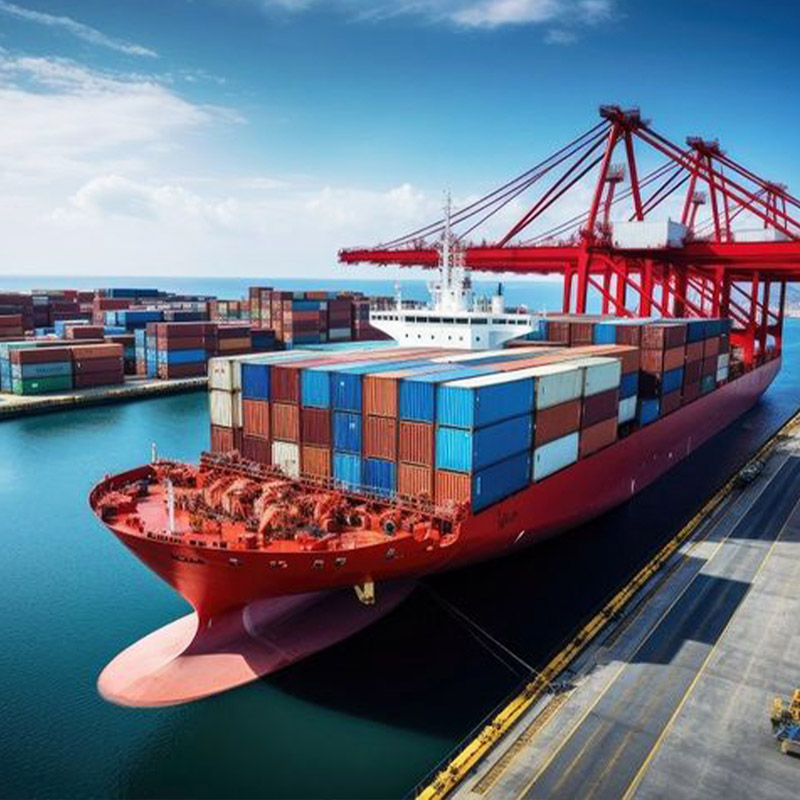
Whether to choose FCL (Full Container Load) or breakbulk vessels depends not on price, but on cargo dimensions, shape, value, and transit time. Cargo that can fit into containers is safer, more stable, and more convenient via FCL. For over-dimensional, oversized, or non-containerizable cargo, breakbulk shipping is the only option.

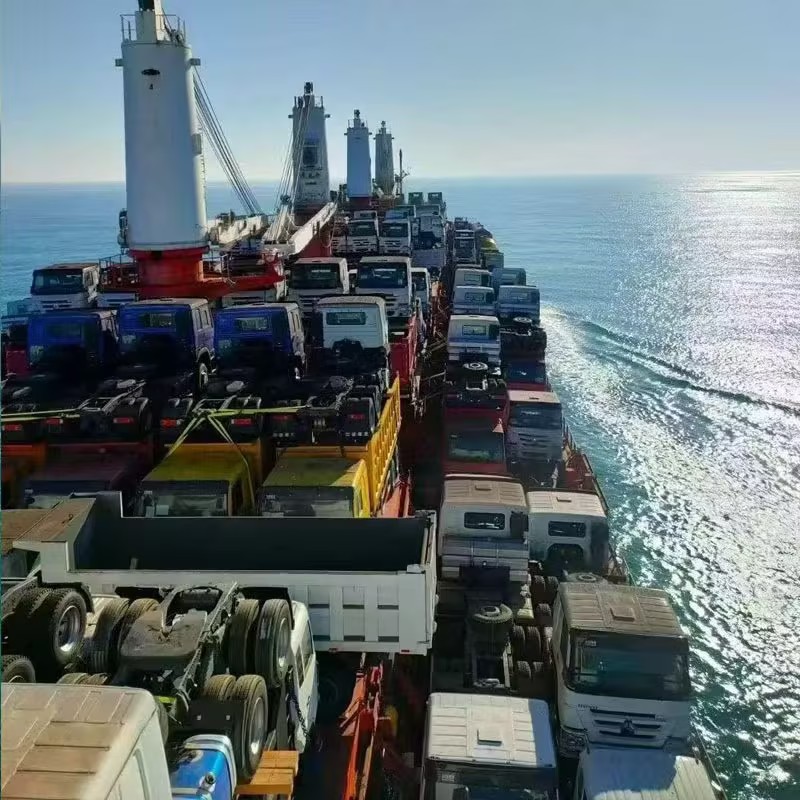
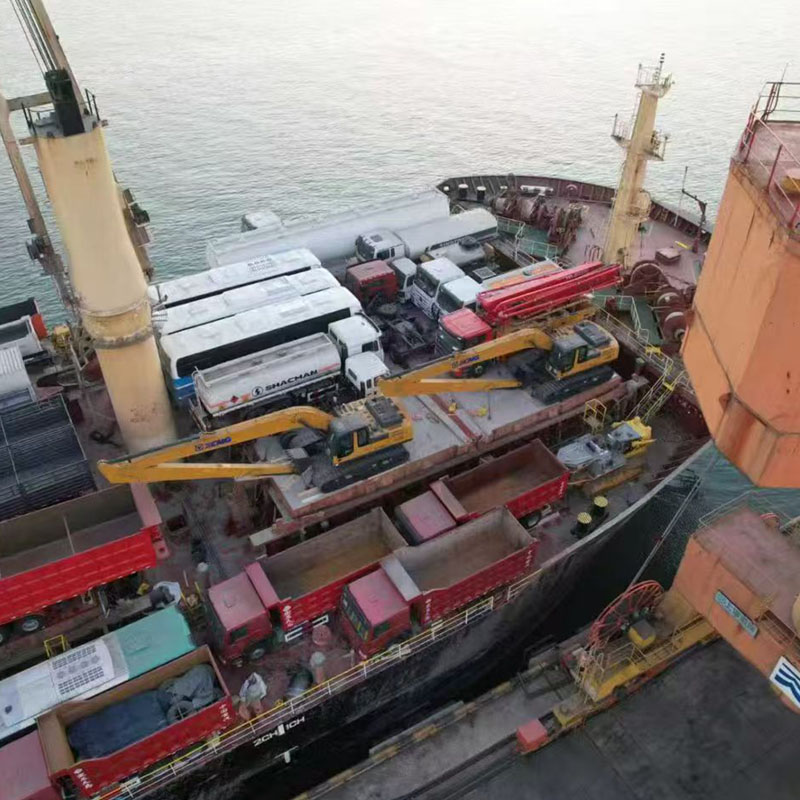
In Ro-Ro shipping, high and low deck space prices are the core factors determining the transportation costs of vehicles/construction machinery. Many shippers overpay for bookings because they are unclear about the distinction between high and low deck space and the pricing logic. Let’s explain clearly: what high/low deck space is, how much the price difference is, and how to choose the most cost-effective option.
When searching for the best freight forwarder in Australia for your business, it’s important to find a reliable expert who can provide you with the supply chain solutions you need. This way, you can leverage their expertise and more quickly grow your global presence.
In 2016, China was Australia’s second-largest two-way services trade partner. Two-way services trade between Australia and China was valued at US$1.39 billion. Over the past decade, two-way services trade has grown by an average of 10.8% annually, outperforming the 4.6% annual growth rate of Australia’s total services trade with the world. Since 1999, Australia has been a net exporter of services to China. This growth in services has been primarily driven by tourism, particularly education and other personal travel services. In 2016, China was Australia’s largest services export market and its ninth-largest source of services imports.
Freight forwarding is a booming industry in the Philippines. Domestic freight forwarding can be categorized into four categories: air freight, ocean freight, port-to-door, and door-to-door. In this blog post, we’ll highlight 10 of the best freight forwarding companies in the Philippines that have been operating for at least three years or are accredited by the Federal Motor Carrier Safety Administration (FMCSA).
Their service includes; world transport services, timely storage, and emergency logistical support.
Imported wedding dresses, furniture, and tires are among the main commodities exported by Chinese exporters to South Africa. China is shown exporting the following products: luggage manufacturers – products or parts from China: furniture and automotive electronic parts. Imported cars and other items from China to South Africa include furniture, construction materials, tires, and solar panels from China.
When we talk about shipping costs from China to the UK, it’s important to know that there are several possible ways to ship your package. All of them have different pricing, and some obviously take more time. First, let’s quickly introduce you to these methods.
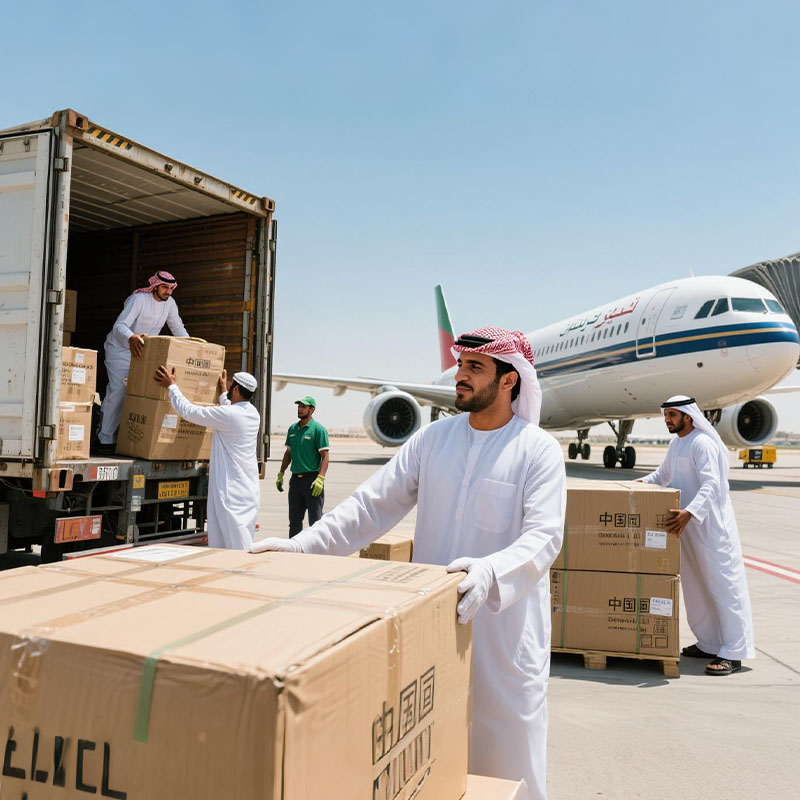
The best door-to-door shipping options from China to the UAE include express carriers like DHL, FedEx, and UPS, which offer faster shipping times. For larger shipments, ocean freight is more cost-effective. E-Chain Logistics offers DDP shipping services and offers daily container load services.
E-Chain Logistics has been committed to international freight forwarding from China to Canada since 2005. We provide one-stop sea and air freight logistics solutions from China to China at competitive prices for all importers and wholesalers in Oman .
Shipping goods from China to Qatar can be efficiently managed through express, air, sea, and door-to-door services. Each method has different costs and times, so choosing the right one depends on your specific needs.
If you’re planning to export goods from Saudi Arabia to China, you’ve come to the right place.
When importing from China, it can be difficult to find reliable shipping information. Below is your one-stop shop for everything you need to know about shipping from China to the United States. You ‘ll also learn about costs, customs prohibitions, and more!
When importing from China, it can be difficult to find reliable shipping information. This ultimate guide is your one-stop shop for everything you need to know about shipping goods from China to the United States. You’ll learn about costs, customs prohibitions, and more!
Naturally, the transit time of your shipment will be affected by the delivery method you choose. You must make a decision based on several factors. These include your budget, deadlines, and what will be most economical in the long run.
If you’re looking to import goods from China to Canada, you’ll want to read this guide.
If you’re in the market for shipping freight overseas, then you need to be familiar with the different types of ocean and sea freight. On this page, we’ll discuss the different rates, quotes, and fees associated with ocean freight. We’ll also provide tips on how to get the best rates for your business!
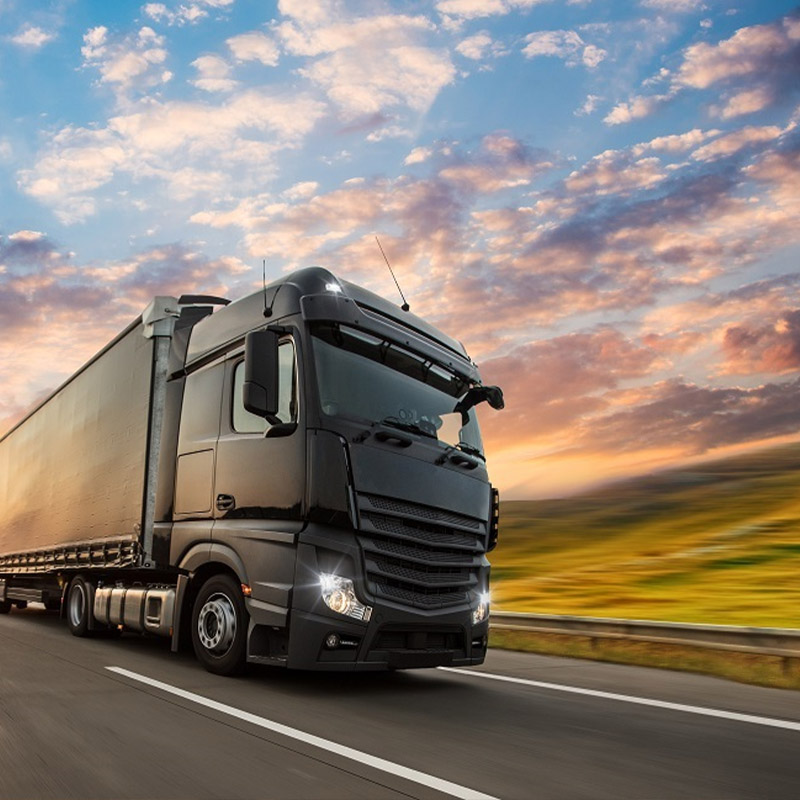
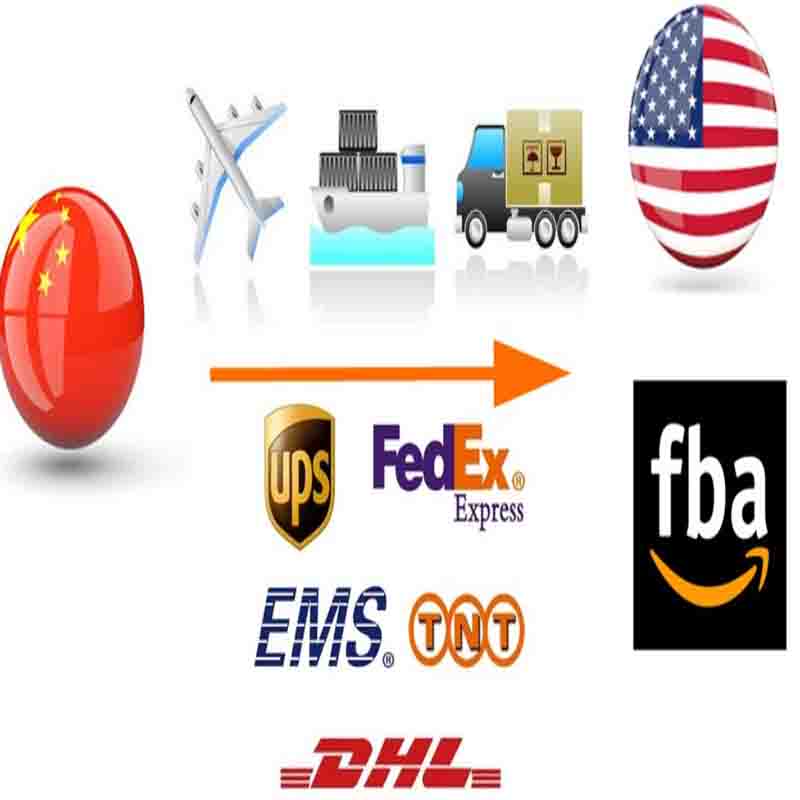
Our main services include air and sea freight, express services, railways, trucks, container/vessel (FCL/LCL) DDP FBA shipping services, etc.
We offer express delivery services from China to all over the world, such as DHL International Shipping , FedEx , UPS , USPS International Shipping, DHL , TNT , EMS , Aramex , and for Amazon FBA as well. We always aim to provide you with professional, considerate and competitive services.
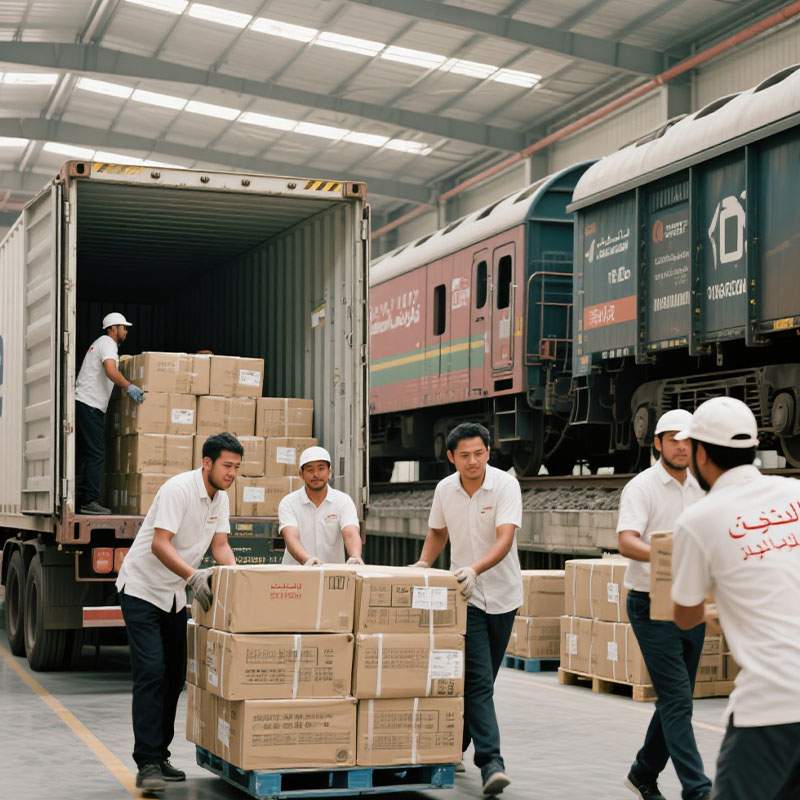
Door-to-door shipping is a service. Freight forwarders ensure that goods are picked up from a specific location and ultimately arrive at a specific destination via a city within the shipping area. Choosing the best method from E-Chain Logistics depends on what you need to ship, where you need to ship, the cost, and the shipping time.
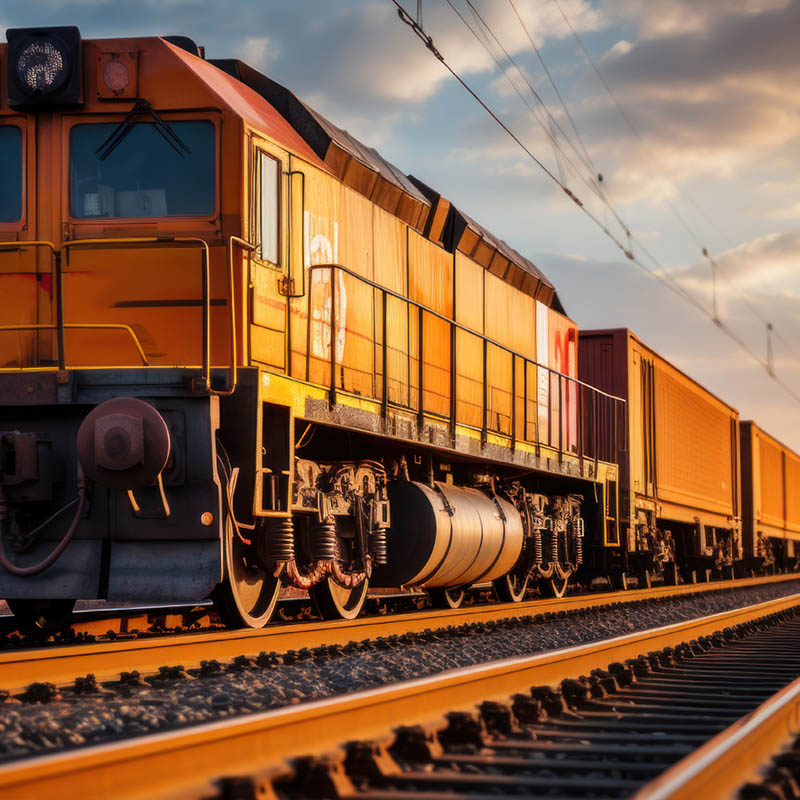
Rail transport is a popular method of transporting goods. Compared to traditional truckload shipping, it can save significant costs and is also better for the environment!
We ship your prepared products directly from our warehouse to Amazon warehouses anywhere in the world. We take care of the entire process for you, from preparing the documents and submitting the ISF before departure to customs clearance and paying port fees.
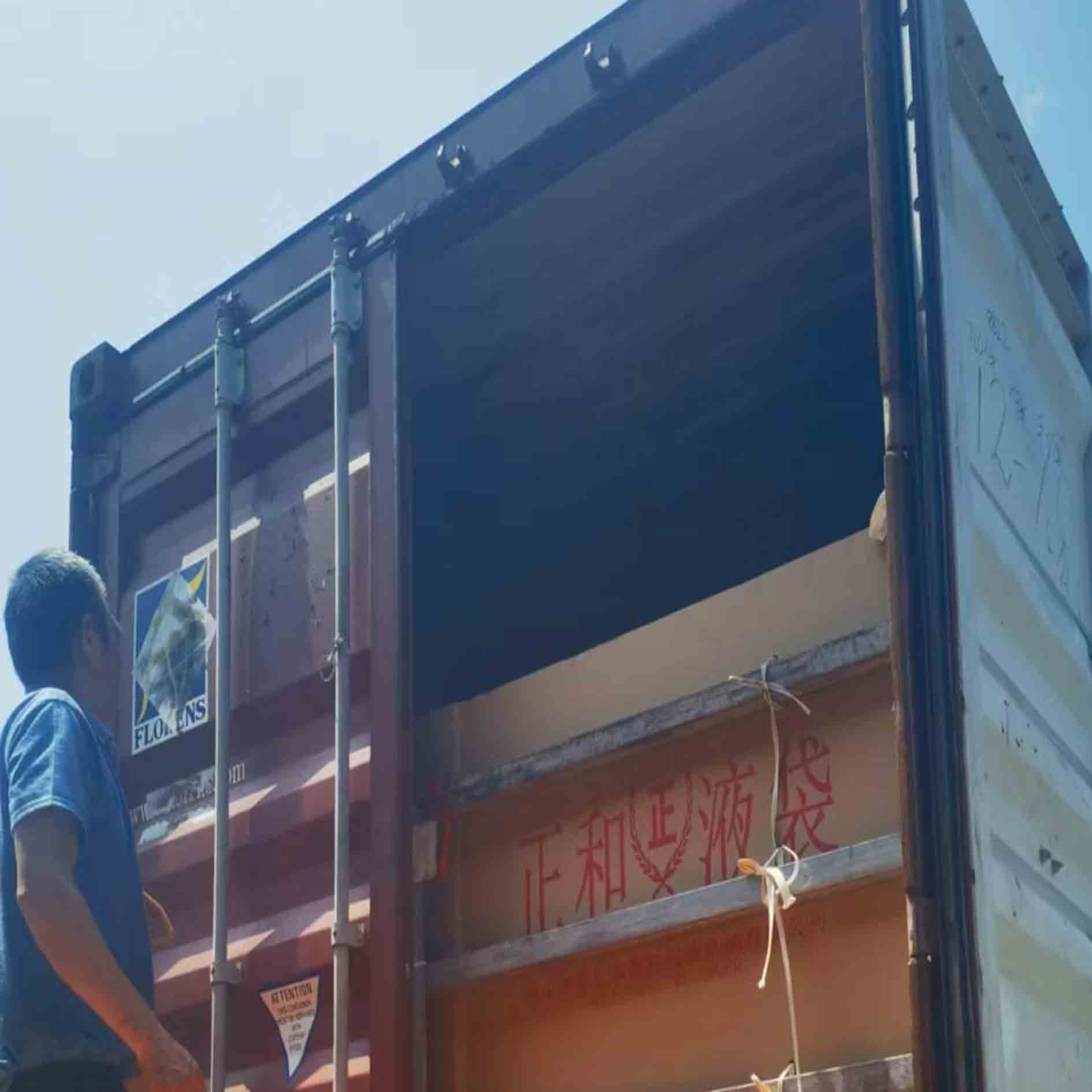
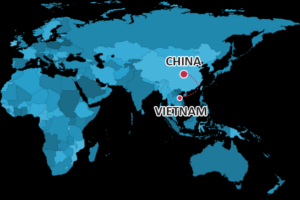
Vietnam is rapidly emerging as a new engine for manufacturing in Southeast Asia, driving sustained growth in demand for liquid chemicals across industries such as coatings, adhesives, textile auxiliaries, and industrial cleaners. Data shows that China’s chemical exports to Vietnam consistently rank among the highest, with liquid products (e.g., ethyl acetate, polyether, water-reducing agents, hydrogen peroxide, etc.) accounting for a growing share.
However, the transport of liquid chemicals presents three major challenges: high packaging costs, significant maritime risks, and stringent customs clearance requirements. How can cross-border transportation be both economical and efficient while ensuring safety? For most non-hazardous or low-risk liquid chemicals, the Flexitank is currently the most cost-effective solution for exports from China to Vietnam.

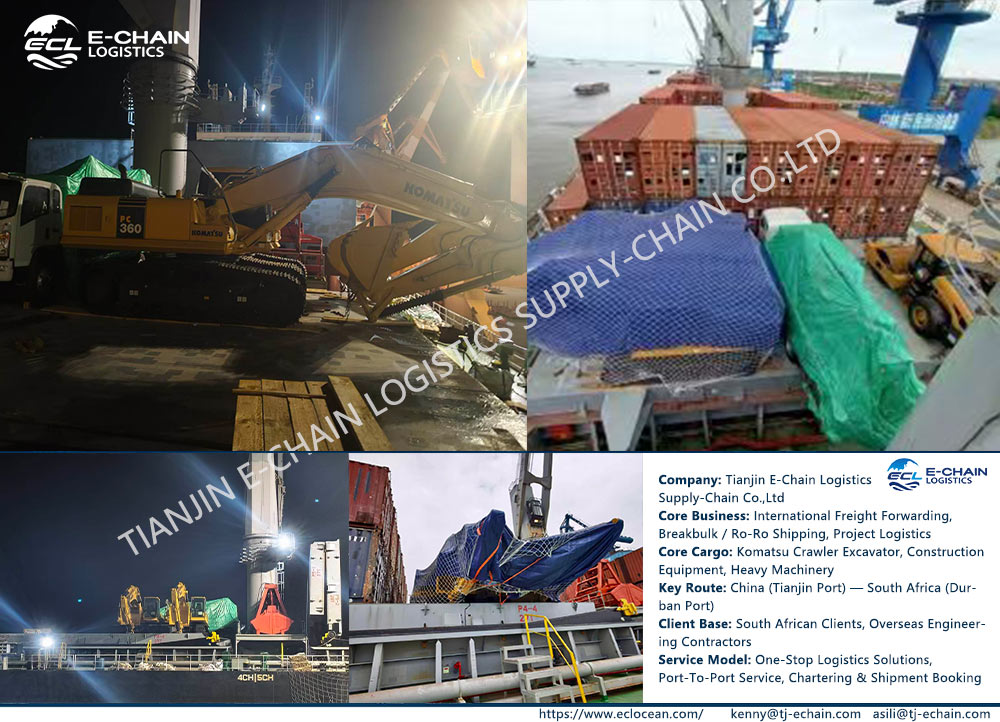
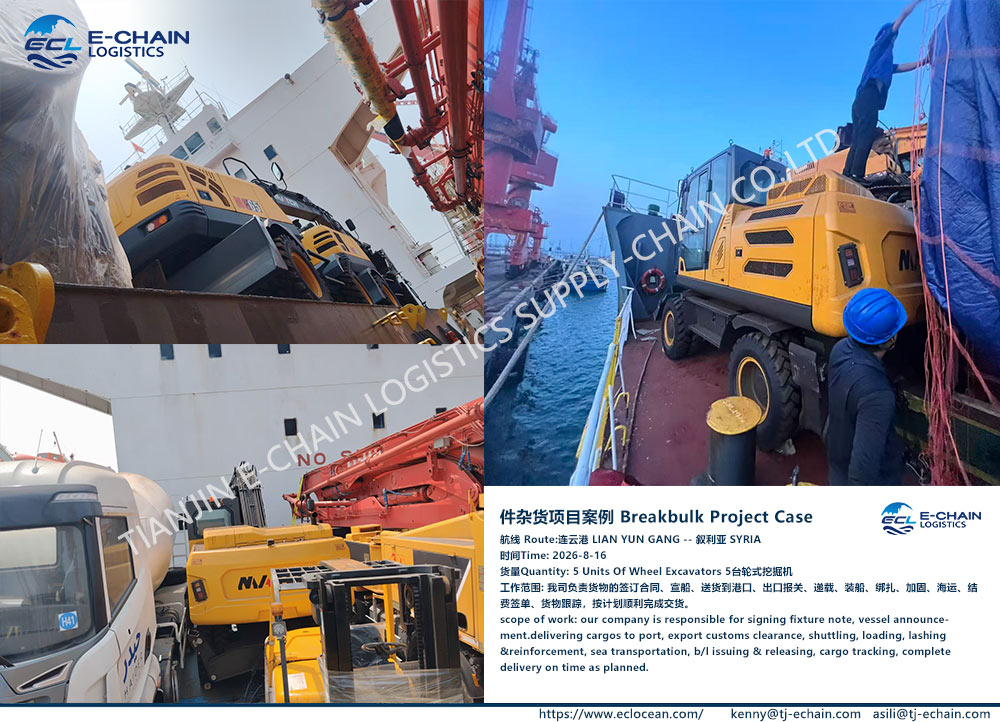
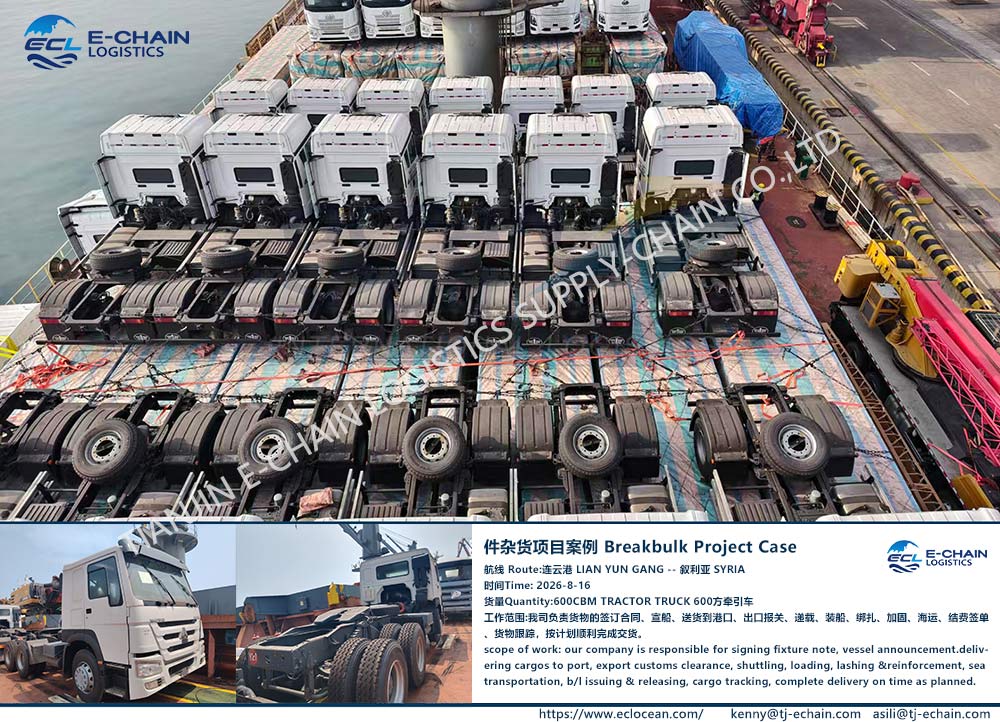
Recently, the Tianjin Port terminal successfully completed the bulk shipment of 20,000 tons of wire rod.The entire project was undertaken by TIANJIN E-CHAIN LOGISTICS SUPPLY-CHAIN CO., LTD., which was fully responsible for logistics transportation, port gathering coordination, port liaison, and loading execution.Through integrated supply chain services, the company ensured the efficient overseas shipment of bulk steel products, setting a high-efficiency benchmark for steel export logistics in North China.
As tensions continue to escalate in the Strait of Hormuz, traditional maritime shipping is trapped in a dilemma — either rerouting via the Cape of Good Hope (taking 55–65 days) or paying hefty war risk surcharges. Meanwhile, a Steel Silk Road stretching across Eurasia is quietly reshaping the logistics landscape of China-Iran trade.
Latest data as of May 2026 shows the China-Iran Railway has achieved regular operation with five weekly departures, reaching Tehran, Iran directly from Xi’an and Yiwu, China in just 15 days.
Planning to ship by rail from China to Iran?A full breakdown of Yiwu/Xi’an to Tehran freight train routes, transit time (18–25 days), customs clearance key points, and comparison with sea & air freight.Your ultimate guide to avoid common pitfalls in China-Iran railway freight.
Breakbulk vessels, general bulk vessels and multi-purpose vessels are mostly chartered.
When breakbulk freight rates rise, 90% of the increase is directly linked to charter rates.
Breakbulk freight rate = Charter cost + Port/handling cost + Profit
Once charter rates go up, freight rates follow immediately.
Breakbulk freight rates are highly correlated with charter prices. This is because the vast majority of breakbulk vessels, multi-purpose vessels and heavy-lift vessels are leased by cargo owners from shipowners. Charter costs represent the largest expense item in breakbulk shipping. When the international charter market is tight—with fewer ships and more cargo—and charter rates rise, the operating costs of shipping companies and freight forwarders increase, which is ultimately directly reflected in higher breakbulk freight quotations. Conversely, when charter rates fall, freight rates will decline accordingly.
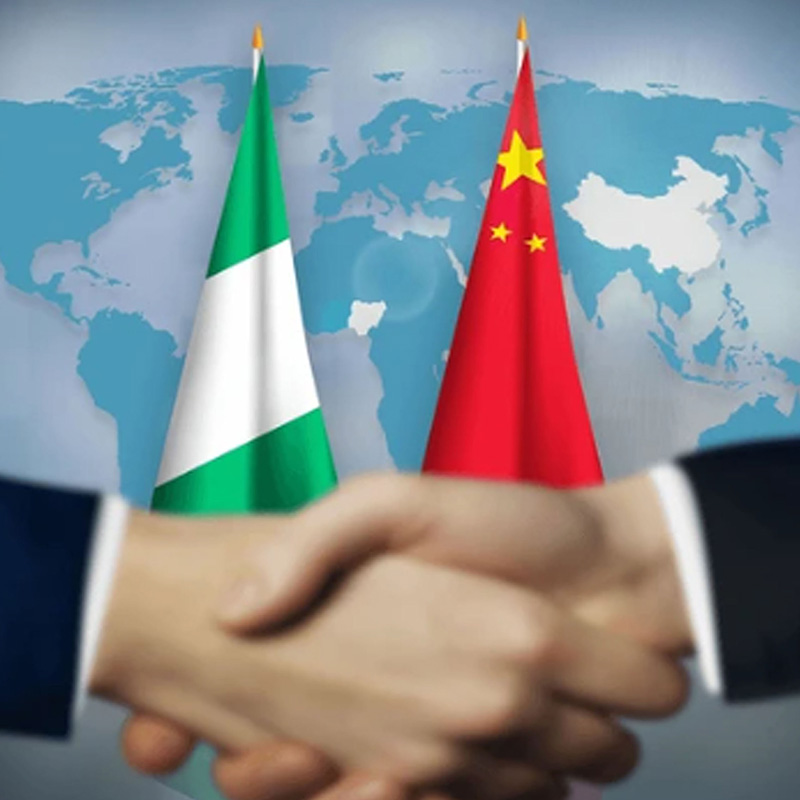
Sea freight / air freight small parcel shipping from China to Nigeria with DDP (Delivered Duty Paid) is currently the most hassle-free and standardized cross-border logistics solution. It requires almost no customs clearance, tax payment, or documentation work on your part — the whole process is ‘one-click shipment, just wait for delivery’.
Don't you have an account? Register.
Already have an account? Sign in.
| Size | US | Bust | Waist | Low Hip |
|---|---|---|---|---|
| XS | 2 | 32 | 24 - 25 | 33 - 34 |
| S | 4 | 34 - 35 | 26 - 27 | 35 - 26 |
| M | 6 | 36 - 37 | 28 - 29 | 38 - 40 |
| L | 8 | 38 - 29 | 30 - 31 | 42 - 44 |
| XL | 10 | 40 - 41 | 32 - 33 | 45 - 47 |
| XXL | 12 | 42 - 43 | 34 - 35 | 48 - 50 |
Measure around the fullest part of your bust.
Measure around the narrowest part of your torso.
With your feet together measure around the fullest part of your hips/rear.