Global Ocean Freight Rates Soar: E-Chain Logistics Highlights Key Adjustments Across Asia-Europe, Asia-Africa, and Asia-Latin America Routes
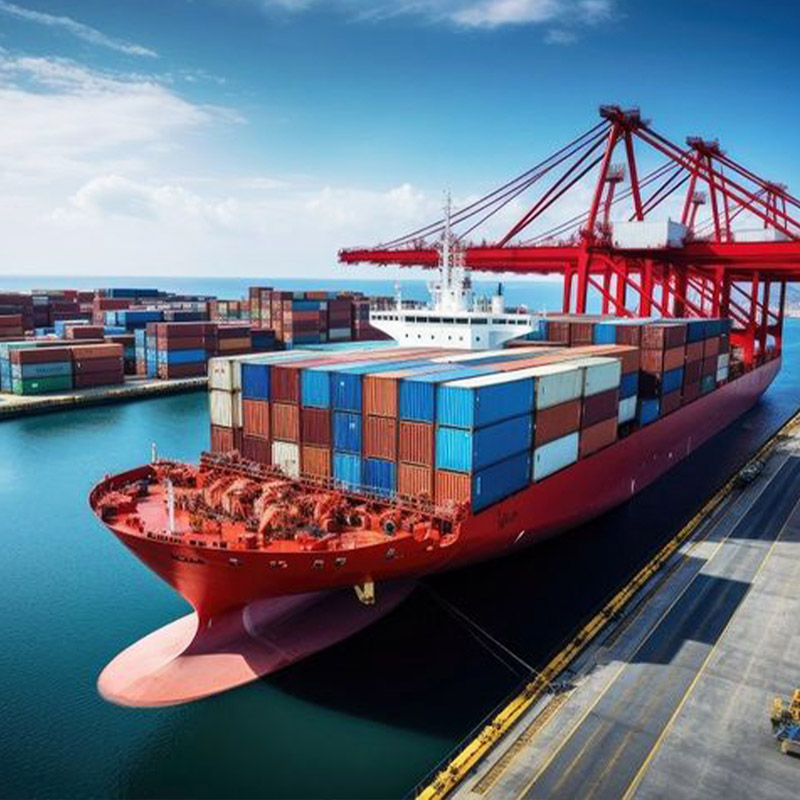
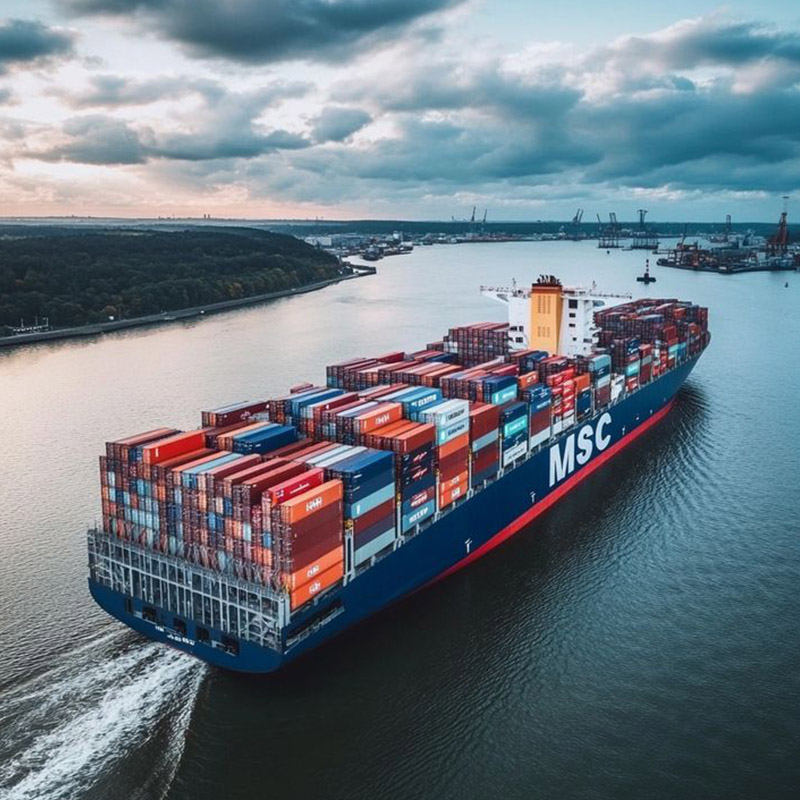
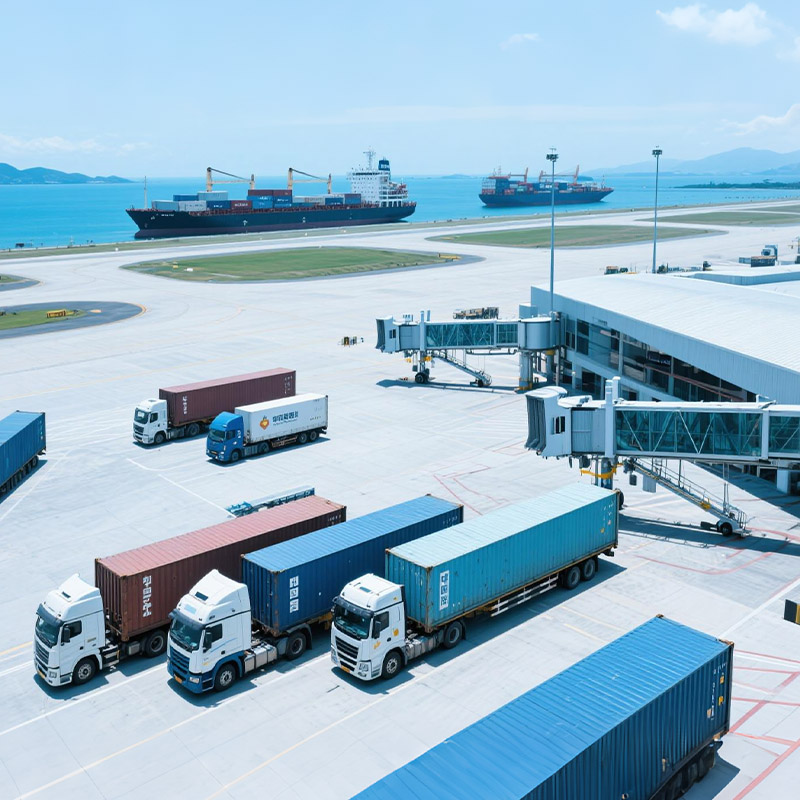
In a significant turn for the marine freight industry, global ocean freight rates have entered a sustained upward phase, with particularly steep increases on Asia-Europe, Asia-Africa, and Asia-Latin America trade lanes. Some 40-foot containers (FEUs) have even surpassed the $8,500 mark, signaling heightened cost pressures for businesses reliant on international ocean freight shipping. E-Chain Logistics, a leading provider of sea freight solutions, breaks down the critical adjustments and underlying drivers shaping this trend.
Key Rate Adjustments Across Major Trade Lanes
- Asia to Mediterranean/North Africa: Between January 1-14, rates for 20-foot containers (TEUs) peaked at 5,500,while40−footcontainersonNorthAfricaroutesreached5,500,while40−footcontainersonNorthAfricaroutesreached8,500, marking a surge of over 30%. This spike directly impacts marine freight transport costs, particularly for sea freight export operations via sea freight carriers.
- Asia to North Europe: Effective January 1, new FAK rates were implemented, with 20-foot containers at 2,000and40−footcontainersat2,000and40−footcontainersat3,600, plus a $250/TEU peak season surcharge (PSS). This move elevates expenses for global ocean shipping and trade ocean shipping clients, including those using E-Chain Logistics’ sea freight door to door services.
- Asia to Latin America: A $1,000 per-container rate restoration fee (RRI) took effect on January 1, adding to the cost of sea freight LCL and FCL services and influencing shippers’ decisions via sea freight options.
- Asia to Africa: Far East to West Africa North rates jumped to 450/TEU, while Central/SouthAfricasawa450/TEU, while Central/SouthAfricasawa300/TEU increase, further inflating sea freight international shipping expenses for sea freight brokers and ocean freight brokers.
Drivers Behind the Price surge
- Off-Season Rate hikes defy trends: Typically a period of subdued demand, December saw shipping lines push rates through(PSS) and other mechanisms. This strategy aims to optimize revenue for sea freight carriers and global ocean freight providers, including prime oceanic shipping and pacific liners freight.
- Red Sea resumption and Ukraine-Russia tensions: The restart of Red Sea routes may temporarily elevate freight costs, while a potential Ukraine-Russia ceasefire could boost demand for Far East-Europe trade ocean shipping, straining vessel freight operations and shipping via ocean freight networks.
- Rising green compliance costs: The EU Emissions Trading System (ETS) and Fuel EU Maritime regulations have come into force, potentially raising ETS surcharges on Asia-Europe routes to €40-50/TEU. This increase adds to sea freight transport expenses and challenges sea freight solutions providers like E-Chain Logistics.
E-Chain Logistics’ Strategic Response
As a trusted partner in sea freight export and sea cargo shipping, E-Chain Logistics emphasizes proactive measures to mitigate cost volatility. The company leverages its expertise in sea freight import and sea freight delivery to offer tailored sea freight solutions, including shipping container sea optimization and sea container transport efficiency. For businesses navigating this challenging landscape, E-Chain Logistics’ sea freight brokers provide actionable insights to streamline shipping via sea freight operations.
Key takeaway: The global ocean freight market’s upward momentum stems from a confluence of seasonal tactics, geopolitical shifts, and regulatory burdens. E-Chain Logistics remains committed to delivering innovative sea freight to door services and sea cargo container management, ensuring clients can adapt to these changes with confidence.
For further analysis on specific route data or customized mitigation strategies, contact E-Chain Logistics’ experts today.
 English
 Arabic
 Chinese (Simplified)
 Dutch
Dutch French
 German
 Italian
 Portuguese
 Russian
 Spanish

 Suede leggings XL/BlueRemove 1 × $60.00 f
 Contrasting sheepskin... XL/BlueRemove 1 × $60.00
 Biker-style leggings XL/BlueRemove 1 × $60.00
 Contrasting sheepskin sweatshirt XL/BlueRemove 1 × $60.00