NEWS

Company news about our company Global Logistics

18 May Xi'an — Tehran Freight Train Schedule
Iran Boosts Land Trade via Multiple Moves; China-Iran Railway Serves as Core Support
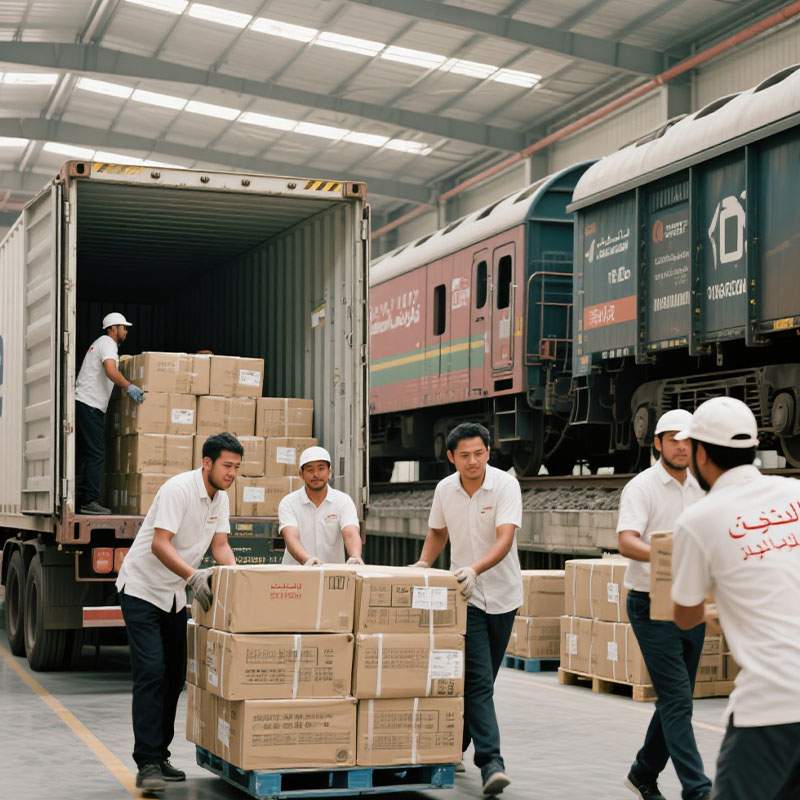
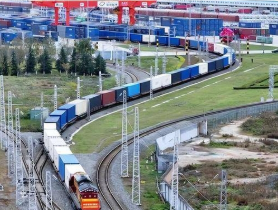
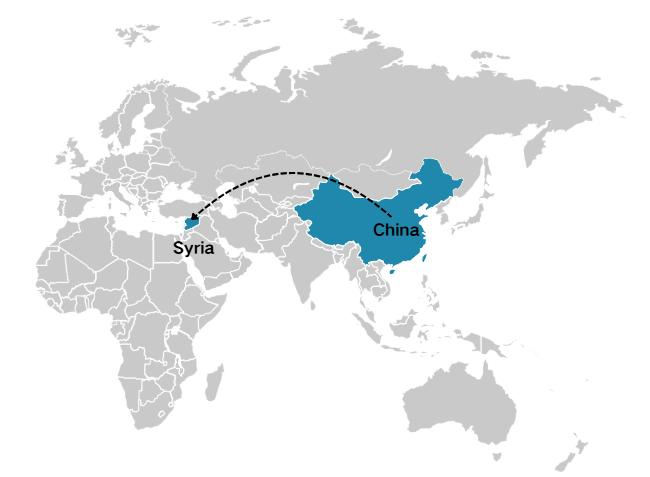
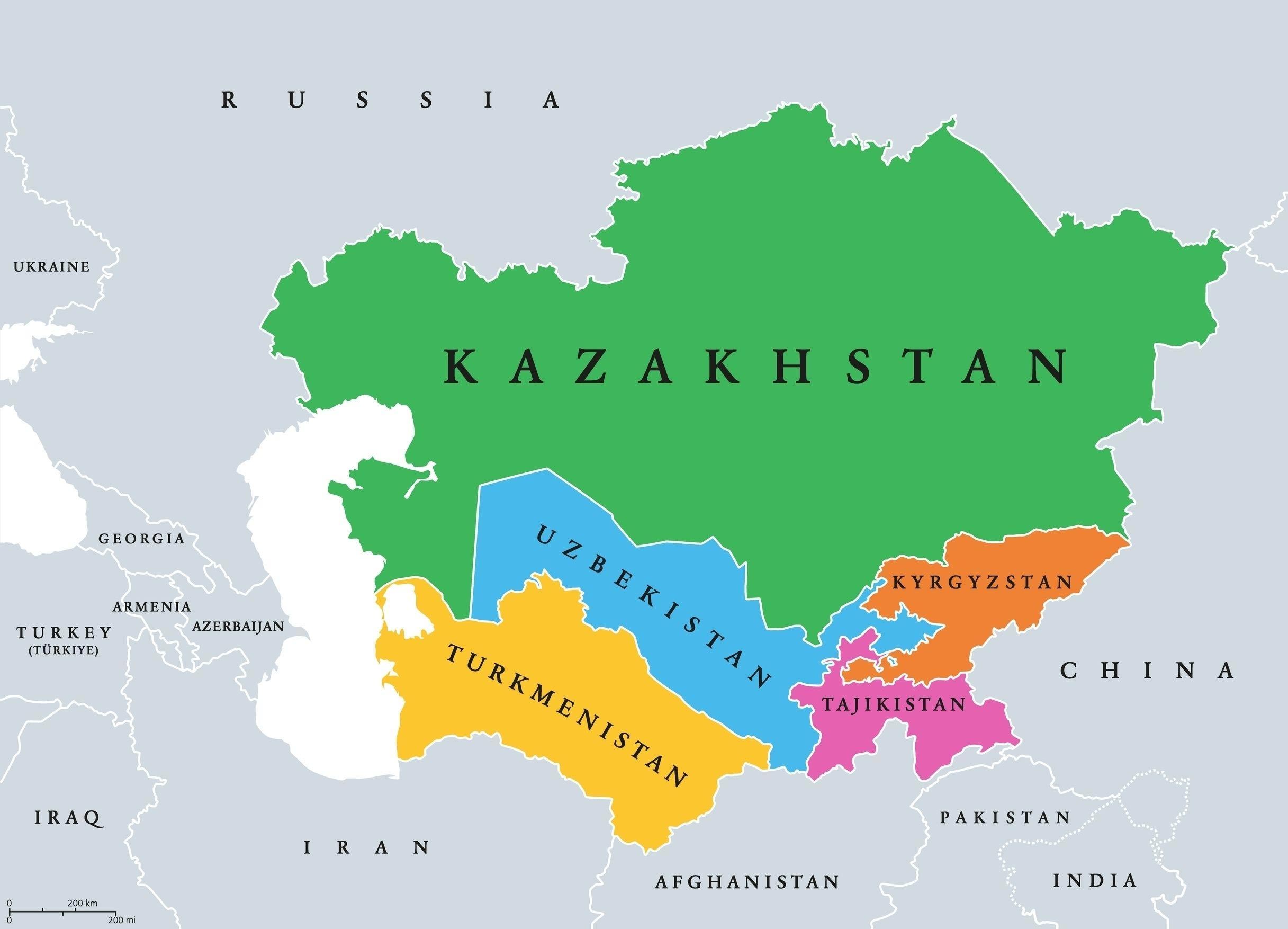
The frequency of Xi’an–Tehran freight trains has doubled, rising from one departure per week to one every 3–4 days. All freight capacity for May is fully booked, with further capacity expansion planned for June. Departing from Xi’an, the trains exit China via Alashankou, traverse Kazakhstan and Turkmenistan, enter Iran through the Sarakhs border checkpoint, and terminate at Aplin Dry Port in Tehran. The total route length is approximately 10,400 kilometers with a transit time of around 18 days, more than twice as fast as sea freight which takes about 40 days. The trains mainly carry urgently needed goods for Iran, including auto parts, generator sets, electronic products, industrial raw materials and consumer goods. Each train can haul 40 to 50 container carriages, equivalent to about 50 forty-foot standard containers. Driven by surging market demand, the freight rate for forty-foot containers has increased by around 40%. For urgently needed goods, high value-added products, and foreign trade orders that are sensitive to timing, the Xi’an – Tehran freight train has become a preferred choice. Understanding the route details and market changes helps enterprises plan logistics solutions more reasonably, reduce costs, and improve efficiency.


READ MORE
11 May China-Iran Railway
Sanctions block the sea, not the land. Tehran in 20 days.
Since April 13, 2026, China-Iran railway freight has surged: from 2 to 4-5 trains per week, and monthly volume from 100k-150k to 400k-500k tons. The railway is now in emergency mode — fully loaded, higher priced, doubled frequency. From the Pacific to the Persian Gulf in just 20 days — down from 45 days by sea. A brand new overland express corridor from western China to the Persian Gulf is now open. Outbound (China → Iran): Loaded with mechanical and electrical equipment, auto parts, generators, electronic products, pharmaceuticals, steel, and other supplies. Return (Iran → China): Loaded with oil, petrochemical products, and fuel.
READ MORE
4 May Democratic Republic of the Congo:Import Duty & Tax Overview
Congo Customs Policy: Summary of Import Tariffs and Taxation
The customs policy of the Democratic Republic of the Congo (DRC) is broad in scope, covering a wide range of items subject to Import Duty (DDI), Excise Duty (DCI) and Value Added Tax (VAT). Below are examples of the applicable rates: Fabric: 20% DDI + 16% VAT Hair extensions: 20% DDI + 16% VAT General goods: 20% DDI + 16% VAT Household goods: 10% DDI + 16% VAT Bags & packaging materials: 20% DDI + 16% VAT Wigs, beards, eyebrows and similar products: 20% DDI + 16% VAT Ceramics: 20% DDI + 16% VAT Second-hand clothing: 10% DDI + 16% VAT Auto spare parts: 10% DDI + 16% VAT Utility vehicles (dump trucks, concrete pump trucks, loaders, mixer trucks, cranes, etc.): 10% DDI + 16% VAT assenger vehicles (sedans, jeeps, etc.): 20% DDI + 10% DCI + 16% VAT Industrial machinery and other equipment: 5% DDI + 16% VAT Chemicals: 5% DDI + 16% VAT Food preparations: 5% DDI + 16% VAT Vegetables, fruits and other produce: 20% DDI + 16% VAT Fruit juice: 20% DDI + 10% DCI + 16% VAT
READ MORE
10 April 2df83e0b-522d-4c55-a690-2c3b3bbafdaa
Tianjin E-Chain Industrial Machinery Arrives at Port of Tianjin, Ready for Shipment
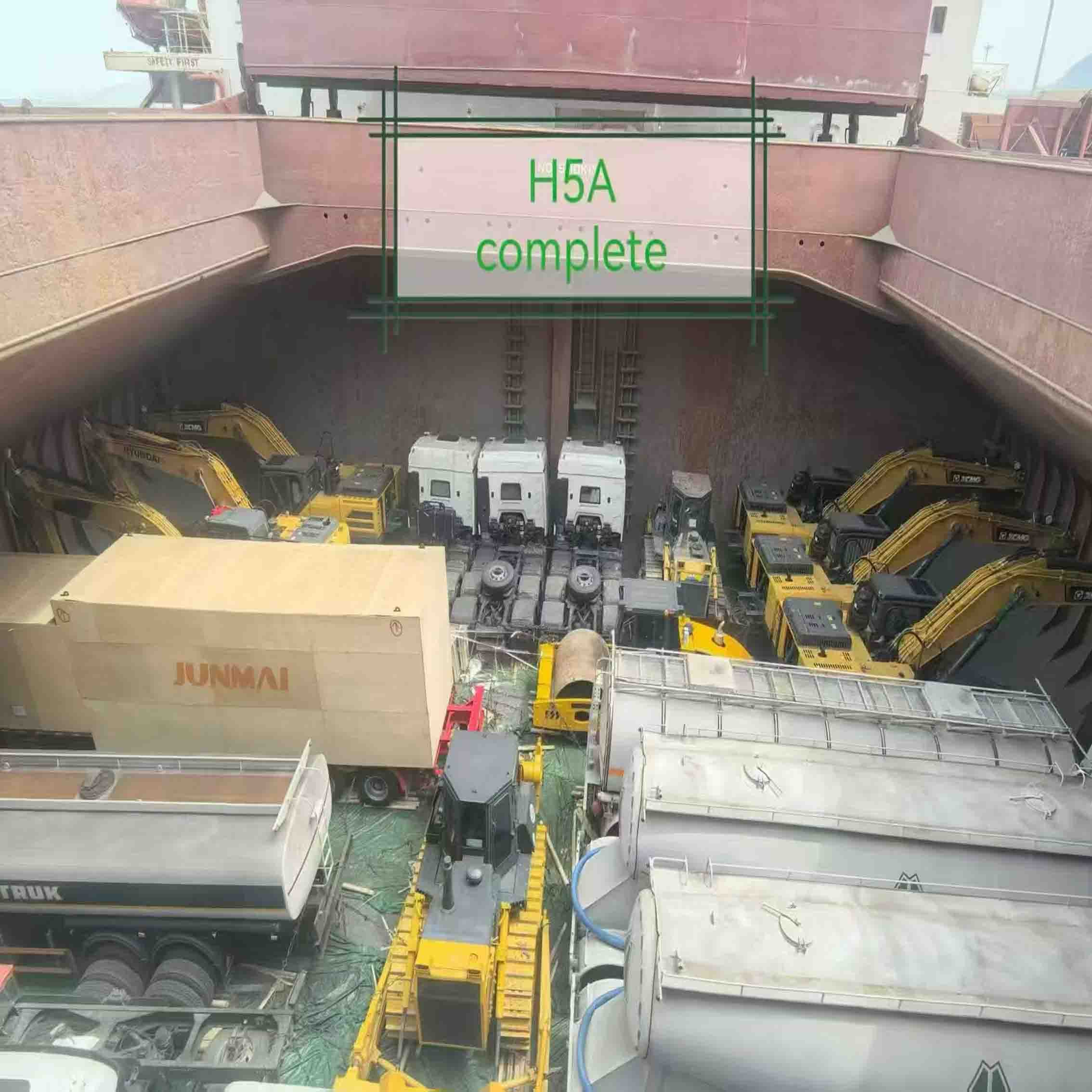
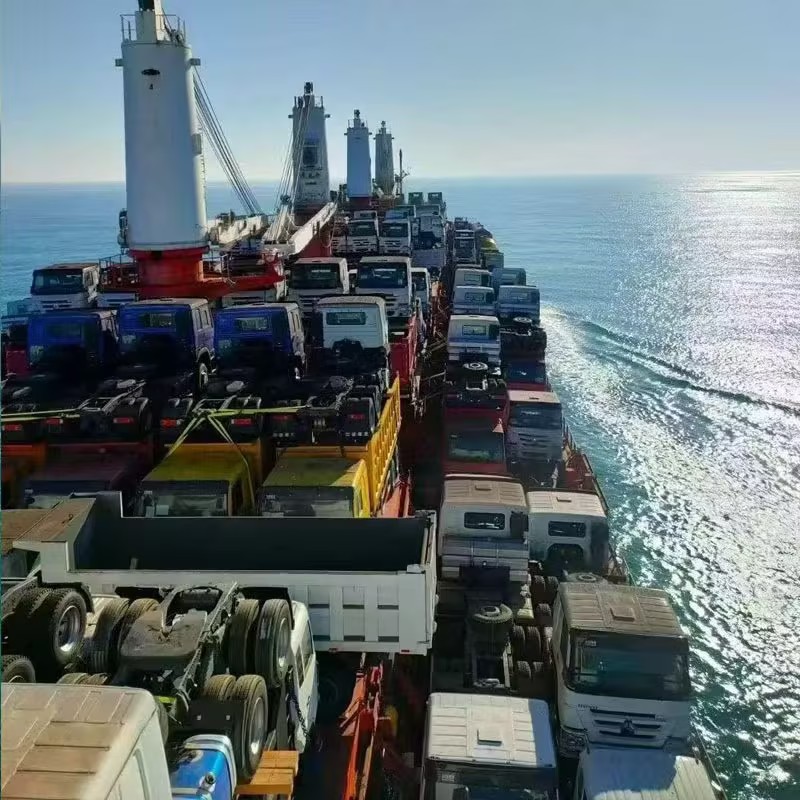
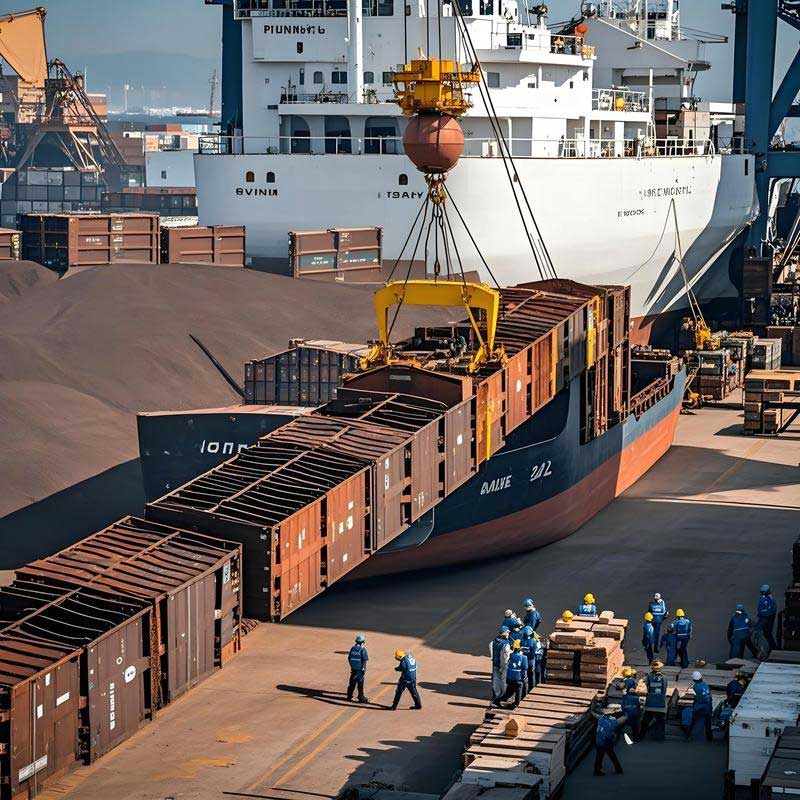
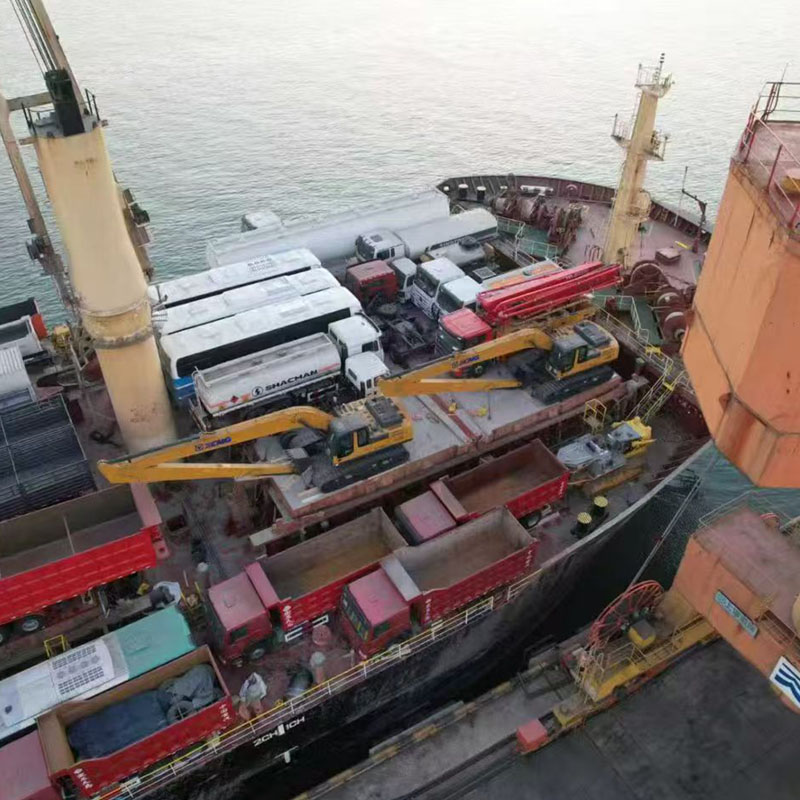
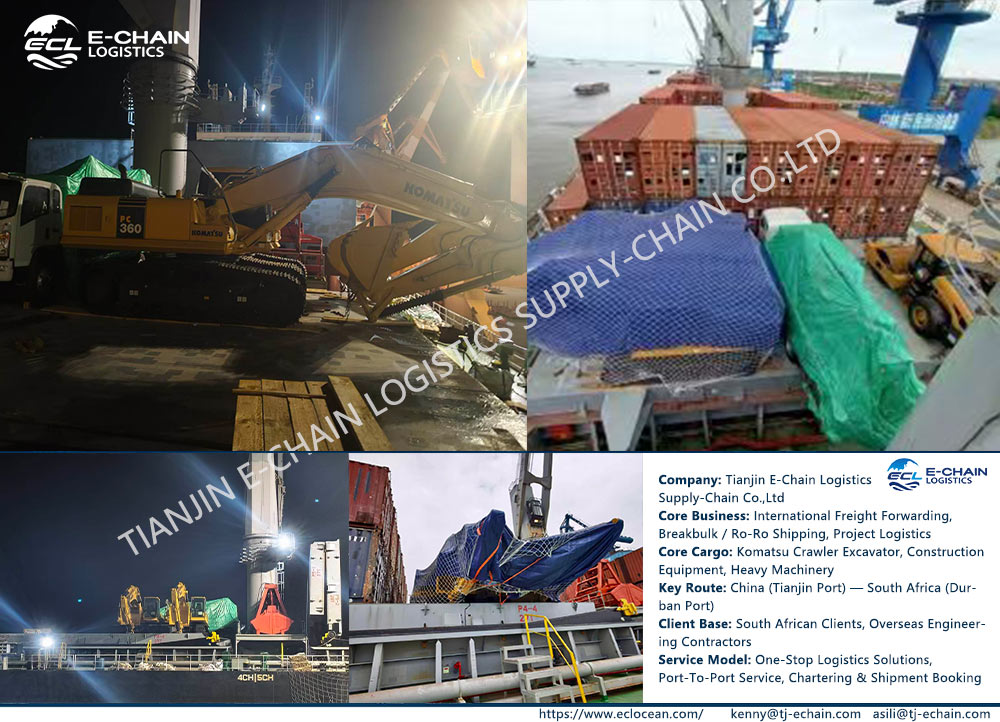
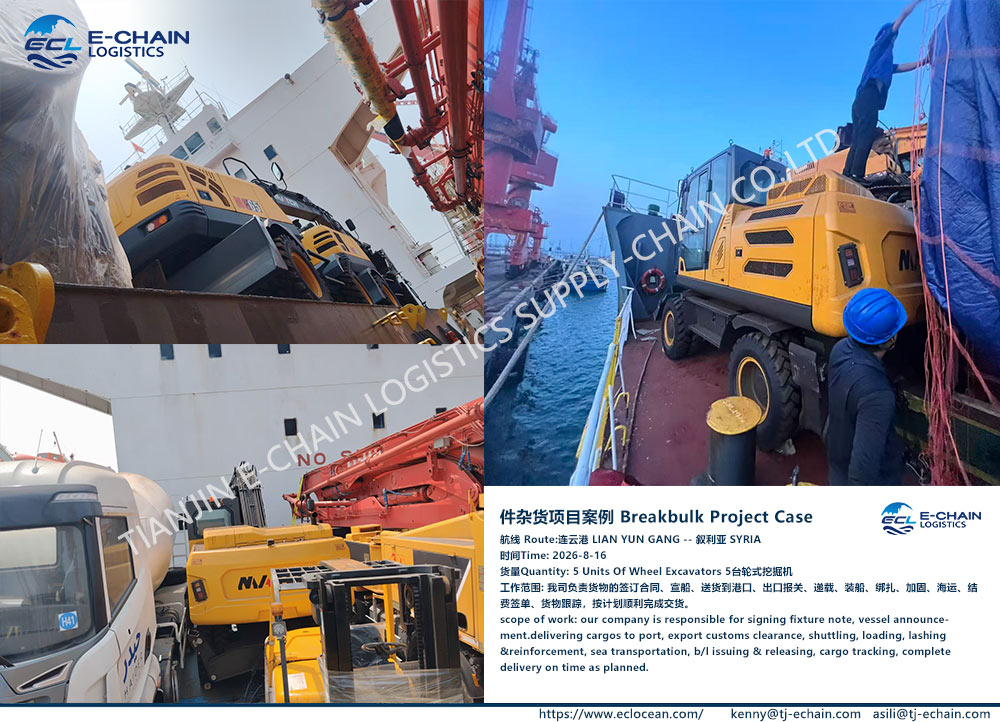
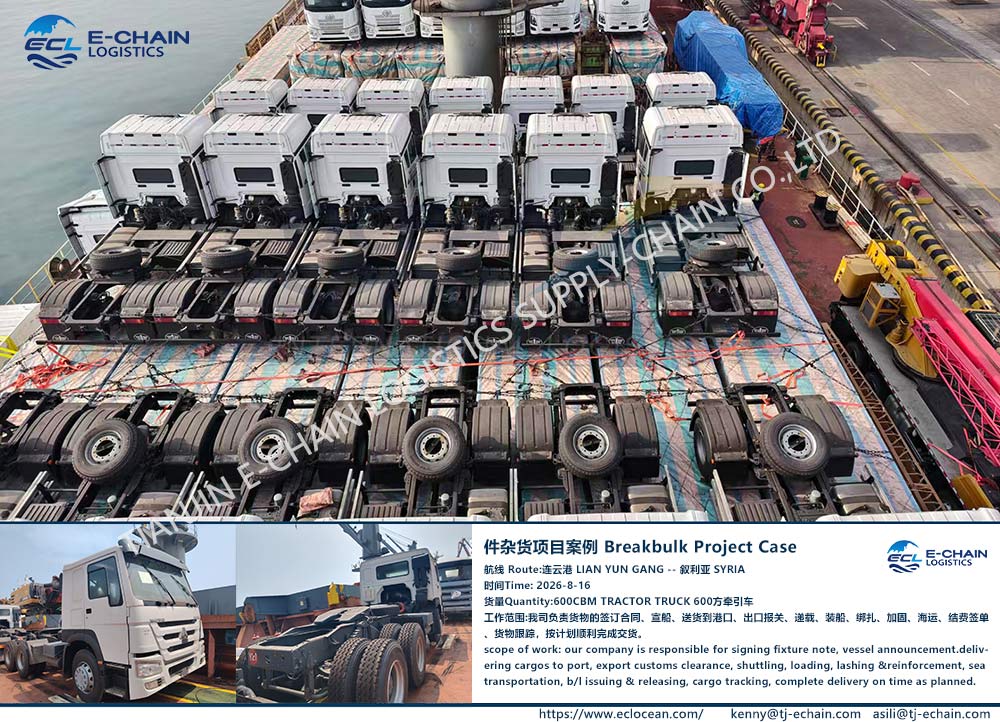
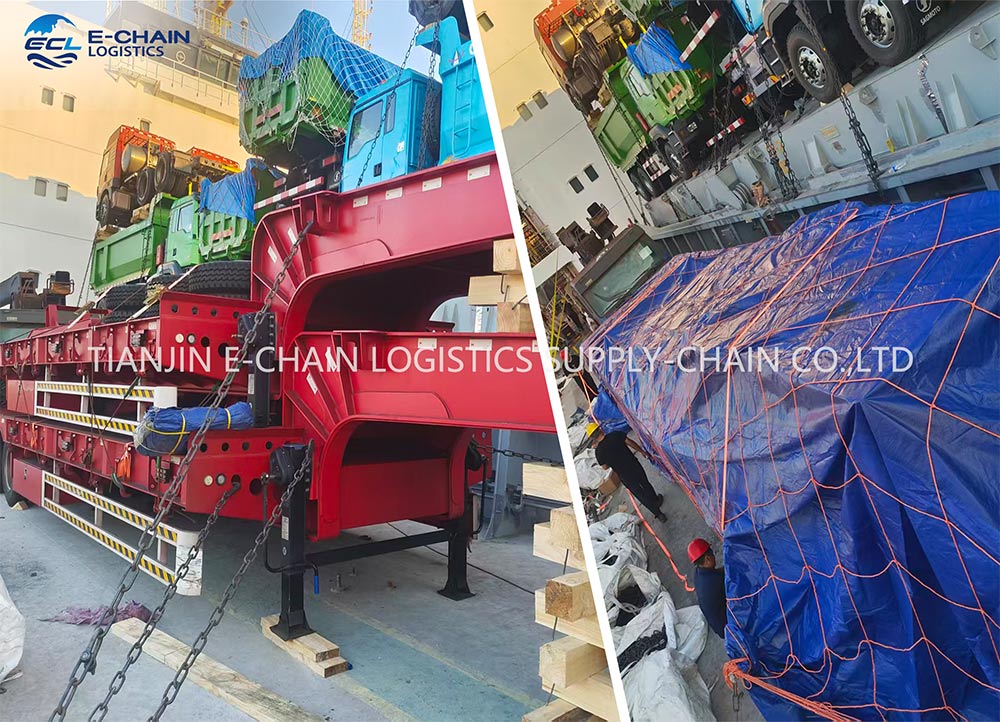
A shipment of heavy industrial machinery belonging to our company has arrived at the Port of Tianjin and is currently awaiting loading onto a cargo vessel for international shipment. The total weight of this consignment exceeds 200 tons and includes precision mining excavators and automated assembly line components manufactured by a machinery firm based in Tianjin. These high-tech assets are destined for clients in Southeast Asia and Africa, where they will support local infrastructure development and industrial upgrading projects. Port authorities have deployed specialized lifting equipment and assembled a dedicated team to ensure the smooth execution of the loading operations. “We have optimized our loading protocols to facilitate the extremely meticulous handling of this oversized, high-value cargo,” stated a port operations manager. “A real-time monitoring system has been deployed on-site to track every stage of the process, thereby minimizing risks and ensuring the timely delivery of the goods.” The cargo vessel carrying this machinery is scheduled to set sail before the end of this week and is expected to reach its destinations in 25 to 30 days.  
READ MORE
28 March WORLD BREAKBULK EXPO 2026
WORLD BREAKBULK EXPO 2026
WBX 2026 International Breakbulk & Project Cargo Transport Exhibition, which has drawn wide attention from the global industry, grandly opened at the Shanghai World Expo Exhibition & Convention Center. Representatives of sea, land and air transport service enterprises, high-quality cargo owners and project owners from more than 80 countries around the world gathered in Shanghai once again. WBX has been widely recognized by the industry as an Asian bridge for the global breakbulk and project cargo transport supply chain. A series of events were held concurrently with the exhibition, focusing on market outlook, supply chain security, port development, new energy industry and other topics, providing exhibitors with high-value practical cases and development insights. As an important bellwether in the global breakbulk logistics sector, the WBX Exhibition serves as a key platform for the entire industrial chain to judge trends, build consensus and seek breakthroughs amid the complex global trade environment. Representatives of sea, land and air transport enterprises, quality cargo owners and project owners from over 80 countries gathered at the event, with the total number of participants on the first day exceeding 10,000 for the first time. Compared with 2025, the exhibition area and the number of exhibitors this year have increased by 20%, with approximately 180 enterprises on display. Among them, shipping and port enterprises account for 60%, hitting a new record. These figures not only reflect the high dynamism of the industry, but also confirm the market’s urgent demand for a professional and international exchange platform. Against the backdrop of a global trade environment marked by “divergence amid turbulence, with opportunities and pressures coexisting”, this grand event has become an important window for observing industry trends and discussing how to build a more resilient project logistics supply chain.
READ MORE
4 April EXPORT TAX REBATES
EXPORT TAX REBATES FOR 249 PRODUCT ITEMS SHALL BE ABOLISHED AS OF APRIL 1, 2026.
Ministry of Finance and State Taxation Administration Issue New Policy: Export Tax Rebates for 249 Products to Be Abolished from April 1, 2026, Affecting Photovoltaics, Chemicals, Building Materials, and Other Sectors Core Adjustments Include: Full-Chain Rollback for Photovoltaics: Key materials such as lithium hexafluorophosphate and lithium manganese oxide are among the first to be impacted, while critical components like monocrystalline silicon wafers will also have their export tax rebates cancelled. Phased Reduction for Batteries: The rebate rate will be reduced from 9% to 6% effective April 1, 2026, and will be fully eliminated starting January 1, 2027. This measure covers 22 categories, including lithium-ion batteries and nickel-metal hydride batteries. Heavy Impact on Chemicals and Building Materials: Industrial raw materials such as graphite and flame retardants, as well as building materials like marble and ceramic tiles, have been included in the list. Policy Implications: • Profit margins of photovoltaic companies may be compressed by 8–12%, accelerating the shift of production capacity to Southeast Asia. • Battery manufacturers face a 6% cost increase, opening a window of opportunity for alternative technologies such as sodium-ion batteries. • The export competitiveness of traditional high-energy-consumption industries will be further weakened.
READ MORE