February 5, 2026 — Tianjin, China
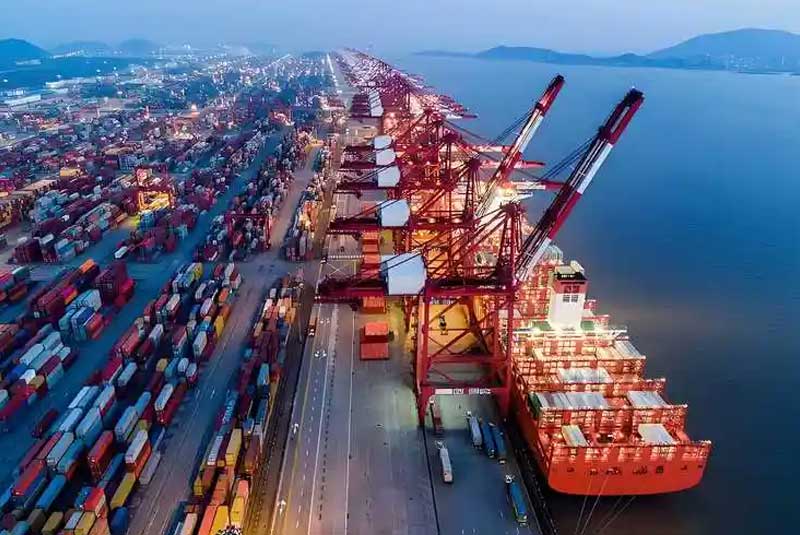
Following the announcement by China’s Ministry of Finance and State Administration of Taxation on January 8, 2026 (Announcement No. 2/2026), the elimination or phased reduction of export tax rebates for 249 product categories—including photovoltaics, chemicals, and building materials—will take effect starting April 1, 2026. This structural policy shift is triggering a cascade of supply chain realignments, with profound implications for cross-border logistics. E-Chain Logistics today releases its forward-looking industry analysis, mapping the evolving logistics landscape under this new regulatory regime.
The policy targets the entire photovoltaic value chain, with key materials such as lithium hexafluorophosphate and lithium manganate losing export rebates immediately, followed by critical components like monocrystalline silicon wafers. Simultaneously, lithium-ion and nickel-metal hydride batteries face a two-stage reduction: the rebate rate drops from 9% to 6% on April 1, 2026, and is fully phased out by January 1, 2027. Industrial raw materials including graphite and flame retardants, along with finished building products like marble and ceramic tiles, are also removed from the rebate list. These changes are expected to compress profit margins for solar manufacturers by 8–12%, accelerating the relocation of production capacity to Southeast Asia, while battery producers confront a direct 6% cost increase—opening a strategic window for alternative technologies such as sodium-ion batteries.
In response, E-Chain Logistics has launched the “Southeast Asia Express Corridor,” enabling door-to-door delivery of lithium-ion batteries and PV components in 72 hours with full hazardous goods compliance. To support clients navigating the new regulatory environment, we have deployed the “Rebate Forecast Engine,” a real-time system that links customs declaration data with tax policy timelines to prevent compliance risks and optimize shipment timing. Additionally, we have established pre-inspection warehouses in Port Klang, Malaysia, and Jakarta, Indonesia, enabling the “export-on-departure” (9810 model) to accelerate cash flow and reduce working capital pressure.
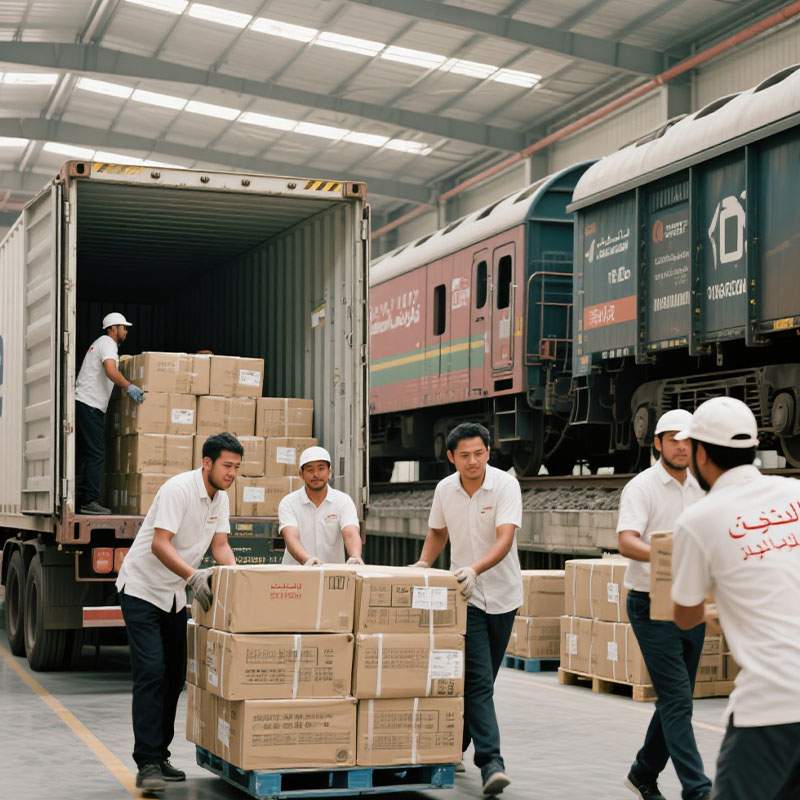
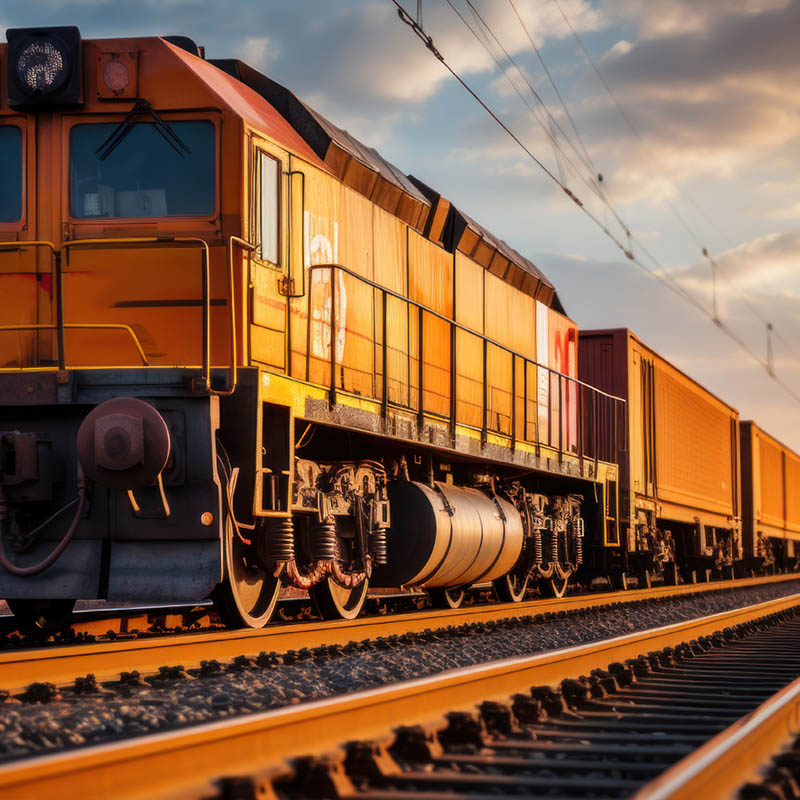
The logistics industry is evolving beyond traditional freight movement. Leading players are adopting overseas warehouses with pre-refund capabilities, digital document platforms that streamline customs and tax workflows, and temperature-controlled, hazmat-certified rail services to meet the safety demands of new energy exports.
Looking ahead, Southeast Asia will become the de facto second hub for Chinese new energy exports. The focus will shift from volume growth to quality enhancement, with technology—AI-driven route optimization, blockchain traceability, and digital twin warehouses—becoming baseline requirements for competitive logistics providers. E-Chain Logistics is transitioning from an ocean carrier to a new energy export supply chain orchestration platform, where logistics is no longer a cost center but a strategic enabler of global competitiveness.
“We are no longer just moving cargo—we are becoming compliance partners in our clients’ global expansion.” — E-Chain Logistics Operations Director, Internal Strategy Meeting
 English
 Arabic
 Chinese (Simplified)
 Dutch
Dutch French
 German
 Italian
 Portuguese
 Russian
 Spanish

 Suede leggings XL/BlueRemove 1 × $60.00 f
 Contrasting sheepskin... XL/BlueRemove 1 × $60.00
 Biker-style leggings XL/BlueRemove 1 × $60.00
 Contrasting sheepskin sweatshirt XL/BlueRemove 1 × $60.00